Items tagged:
Zimbabwe
-
Street vendors and garbage pickers need protection from climate extremes
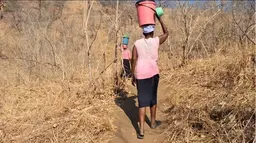
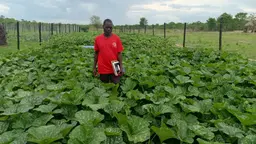
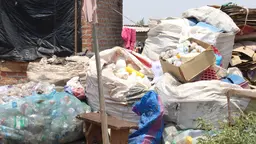
Around two billion people globally are considered informal workers, in jobs like street vending, agriculture or collecting and recycling plastic rubbish. Many earn on a daily basis and lack savings, healthcare or other social protections. So they typically can’t afford to stop working in the face of COVID-19 and other emergencies
-
Making strides to improve health and climate resilience in Zimbabwe’s cities
Guest blogger Artwell Kadungure and Alice Sverdlik report on how real progress is being made to improve the lives and livelihoods of informal workers as a result of collaboration with key policymakers
-
Getting attention to a much-neglected health agenda: occupational health and safety
Guest blogger Rangarirai Machemedze and David Satterthwaite report on the findings of their research on the occupational health and climate change risks facing informal residents and workers in Zimbabwe
-
Unsmart, unsafe cities for informal workers: effective policy change will need better data
How can urban health policy be effective when the data on residents’ and workers’ leading causes of premature death, illness and injury is inadequate? A new project with partners in India seeks to fill the data gaps and support informal workers’ well-being
-
Delivering climate finance at the local level: the Gungano Urban Poor Fund
The Gungano Fund provides loans to low income urban households that cannot access other financial services. The fund aims to develop a scalable and replicable housing finance model and partner with central and local government to upgrade informal settlements
-
Addressing risks facing informal workers
IIED and partners are assessing the occupational, environmental and public health risks faced by workers in the informal economy. This project will also explore responses to these risks with workers in India and Zimbabwe, while also helping to build their resilience to climate change
-
Biodiversity stories: building understanding in the media leads to richer reporting
The number of journalists able to report on biodiversity issues in Zimbabwe has grown significantly thanks to a focused effort to build understanding across the media
-
Protecting land and community resources in Africa
Rural communities across Africa face a variety of threats to their claims to customary and indigenous land and natural resources. Advocates working to support these communities must draw on a range of experience and expertise. The NGOs Namati and Natural Justice brought together experts to consider the issues and published the results in a new book of 18 case studies
-
RIP Cecil the lion – what will be his legacy? And who should decide?
Outrage over the death of Cecil the lion has led to calls for a ban on trophy hunting, but would this have the desired results?
-
Co-learning for inclusive cities
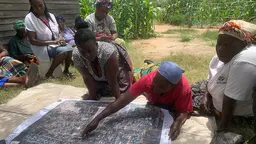
Not so long ago in Zimbabwe, government officials and communities would have blamed each other for the poor state of high density, low-income neighbourhoods. But thanks to years of dialogue the two sides have come together.
-
Zimbabwe needs “more urban, more public” climate change strategy
Zimbabwe’s climate change strategy should focus on urban communities, give a greater role to civil society participation, and learn lessons and gain experiences from other highly vulnerable nations, according to a new briefing paper published today by ZERO Regional Environment Organisation (ZERO) and IIED.
-
Basic service provision shouldn’t just be a money maker
Are utility companies forgetting that their core function is to provide services and not just make money?