Community-led gender data for climate and heat resilience
Extreme heat is disproportionately affecting women and underrepresented groups in cities across the global South. To inform gender-just climate policy and action, IIED and grassroots partners in informal settlements in East and Southern Africa are gathering gender-responsive data to generate robust evidence that makes visible lived experiences, impacts and community-led responses.
Researcher (urban poverty and informality), Human Settlements research group

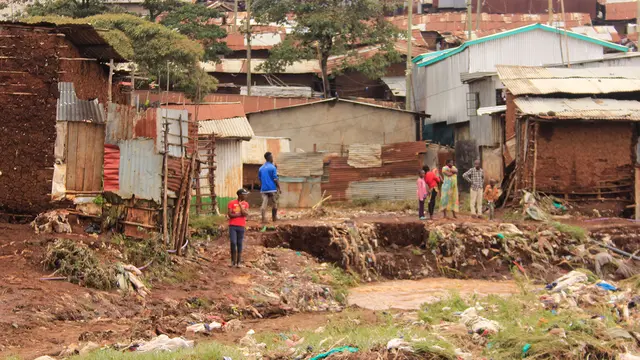
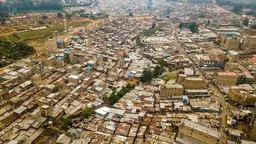
People living in urban informal settlements in Tanzania face the highest risks due to environmental and housing conditions that expose them to extreme temperatures (Photo: Giacomo Berardi, via Unsplash)
Extreme heat is one of the deadliest climate risks increasingly affecting the lives of urban residents in cities across the global South. Densely populated informal settlements making up over 50% of urban Africa are situated in environmentally hazardous and poorly serviced areas, with dwellings often built of poor quality and inappropriate materials trapping heat both day and night.
Studies suggest these neighbourhoods, experiencing and intensifying urban heat island effects, will be home to over 300 million people experiencing 15-day heatwaves and temperatures above 42°C by 2100.
For women and girls, who spend between 4-7 hours a day on unpaid care duties, heat exposure is prolonged and increasingly intense having major consequences to health, wellbeing, care burdens and livelihoods.
While there are clear parallels between the impacts of heat on women and vulnerable communities, a lack of disaggregated and intersectional data means much of the heat exposure experiences, impacts and coping mechanisms remain invisible.
What is IIED doing?
Alongside affiliates of the umbrella network Slum Dwellers International, IIED is working with Dialogue on Shelter, Centre for Community Initiatives and SDI Kenya to bridge this data gap by supporting women and communities to use the reliable, timely and context-specific data they collect to lead to more gender-responsive policies for climate action.
We’re seeking more equitable and accurate climate policies and actions that better reflect people’s real needs.
This work supports communities in three African cities – Dar es Salaam, Tanzania; Nairobi, Kenya; and Kariba, Zimbabwe – to take the lead in addressing the data gap on the nexus of gender, climate and environment.
IIED will:
- Support partners to generate a robust evidence base on the interlinks between gender and heat, through gender-responsive, disaggregated and intersectional data collection, analysis and interpretation
- Support peer-to-peer learning and collective advocacy by grassroots actors and movements in regional and global discussions on the gendered impacts and solutions of climate-induced extreme heat, and
- Work closely with partners to strengthen their gender-responsive knowledge and evidence generation capacities.
Through this work, IIED will take gender-responsive approaches that:
- Are community-led and focused on local data utilisation and relevance
- Advance the leadership of women-led grassroots organisations to collect, analyse, own and use data that truly reflects lived realities, and contributes to strengthen evidence-based advocacy for gender-responsive climate resilience
- Produce tools and frameworks that are co-designed and enhance capacities of partners, and
- Facilitate social, peer-to-peer learning with an emphasis on decolonial, gender-just and equity-driven methodologies.
News and updates

Additional resources
Insight: Rising heat levels mean increased risks for women in informal settlements, Marcelle Mardon, Mussa Raido (2025)