Women’s tenure rights for gender-responsive coherence across the Rio Conventions
Insight, 14 October 2026
The gender-climate-environment nexus highlights the complex links between gender inequalities and the impacts of climate and environmental change. With women, girls, gender-diverse and traditionally marginalised groups disproportionately affected due to existing social and economic disparities, this hub explores how these interconnected challenges affect communities globally. We showcase women’s vital roles in climate action and emphasise the importance of gender equality for effective climate-environment solutions.

Just 2.3% of climate finance is primarily designed to improve gender equality
56% of the women now holding individual land rights... claimed them through inheritance... a customary mode of access that is not legally recognised
Migrating women often endure long working hours (ave 14.36hrs per day) in sugarcane cutting under exploitative conditions. A high proportion of women (72.29%) are forced to work even when they are sick, and 69.90% are compelled to work during menstruation
Why is gender data important, and what is IIED doing to enable data to produce better, more informed decision making?
Explore 99 resources
Sign up for updates and be part of the change. Receive the latest news, insights and opportunities to support gender-inclusive climate-environment action.
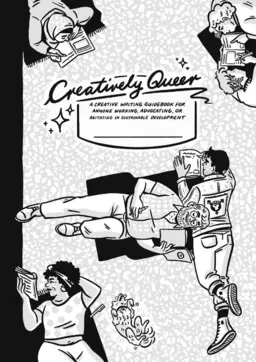
Less than 1% [of international aid for LGBTQI+ civil society] targets housing and homelessness, poverty and economic development, or environment and climate change
Women spend 2.8 times more time on unpaid domestic and care work than men in Latin America. This leads in turn to a greater dependence on natural resources, and to greater vulnerability and impacts due to difficulties accessing and controlling natural resources, especially in rural areas
Only 57% of official development assistance targeting climate change integrates gender equality
More informed policy decision-making requires accessible, usable data. Here we profile key gender databases of other organisations