Making global trade rules work for small-scale fisheries
As global trade talks resume on fisheries subsidies, we highlight the potential to redirect fiscal spending away from overfishing towards support that meets the needs and priorities of coastal communities and promotes sustainable fisheries.


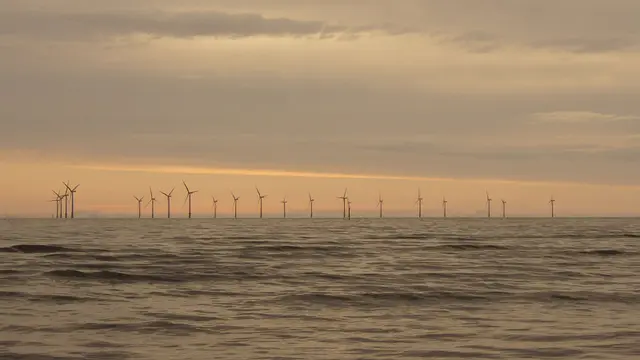
Small-scale fisheries representatives react to demands to move from government commitments to action at the 3rd Small-Scale Fisheries Summit, which took place at the FAO Headquarters in Rome, September 2026 (Photo: copyright FAO/Valerio Muscella)
Agreed in 2022, the World Trade Organization (WTO) Agreement on Fisheries Subsidies came into force in 2025. This landmark achievement in multilateral trade governance prohibits subsidies where they contribute to marine fisheries under the most environmentally harmful conditions, such as fishing in unregulated high seas.
Under this agreement, governments also committed to negotiate more comprehensive rules on the types of public expenditure that drive fishing capacity beyond sustainable limits and encourage overfishing. These include subsidies for fuel, vessels, gear and otherwise-unprofitable distant water fleets. But if WTO members cannot agree more comprehensive rules by September 2029, the whole agreement could be terminated.
Recent dialogue has highlighted the risks new global trade rules could present for small-scale fisheries (SSF). The SSF sector accounts for over 90% of global fisheries employment and at least 40% of global catch, yet it receives less than 20% of global marine fisheries subsidies, which largely flow to industrial fisheries.
There are concerns among SSF organisations that more comprehensive trade disciplines could unfairly penalise fishing communities by further reducing critical public support for the sector.
But additional rules also offer opportunities to better support SSF and coastal communities. As 2026 draws to a close, a series of preparatory ‘fish weeks’ are bringing together trade delegates to build consensus before formal negotiations resume in 2027.
This push comes on the heels of the 37th session of the FAO Committee on Fisheries (COFI37), a biennial intergovernmental meeting where, this September, the WTO agreement was a key agenda item. During COFI37, SSF organisations and allied civil society groups called on governments to ensure the new WTO rules respect the rights of fishing communities – as per international guidelines – while disciplining support for industrial overfishing.
What is at stake for small-scale fisheries?
At COFI37, governments collectively reaffirmed commitments to protect SSF by putting people at the heart of governance and policy. But these commitments also underly some major sticking points in upcoming WTO talks: how will the rules apply to the global South and to SSF?
Given how critical SSF are for coastal livelihoods and food security, some countries argue the relatively small amounts of public support to SSF should not be withdrawn, even where it could be encouraging overfishing.
The most recent draft text proposes various exemptions to prohibitions that contribute to overfishing for developing countries and least developed countries (LDCs), as well as a complete carve out for activities that are deemed to be small scale or artisanal in these countries.
But some WTO members want to narrow the exemptions. There is no universal definition for small-scale or artisanal fisheries, so countries may see this as a loophole to maintain support that drives industrial overfishing.
Many developed countries have proposed that the exemption for SSF be restricted to those operating within territorial waters, arguing that fishing taking place further offshore is likely to be more industrialised, even if a country claims the fishing is small scale.

What could fair reform achieve?
Whatever the extent of legal exemptions, ultimately national governments must decide how to provide public support that meets the needs of small-scale fishers and fish workers without undermining the nature that supports them – and how to mitigate potential socioeconomic shocks resulting from subsidy reforms.
Public spending must first strengthen artisanal fishing and the communities that depend on it – covering safety at sea, local infrastructure, processing, cold-chain facilities and the protection of livelihoods – with particular attention paid to women fish processors. Artisanal fishing supports a million African families. Subsidies must feed populations, not empty the oceans
– Gaoussou Gueye, president of the African Confederation of Artisanal Fisheries Professional Organizations (CAOPA)
Of course, no long-term good will come from unchecked, capacity-enhancing subsidies that lead to overfishing, no matter how localised that fishing is.
And this is not what the sector wants. SSF organisations in Africa, for example, have a clear preference (PDF) for investments in social protection, post-harvest infrastructure, and monitoring and enforcement over higher-risk forms of support such as fuel subsidies.
Measures that improve welfare in fishing communities will always carry some risk in terms of enabling and encouraging overexploitation. But the risk can be mitigated by complementing them with regulations, monitoring and enforcement.

Gaoussou Gueye speaking at a side event of the Small-Scale Fisheries Summit in Rome, September 2026, on the eve of the 37th session of the FAO Committee on Fisheries (Photo: copyright CAOPA)
In this vein, trade rules offer an opportunity to level the playing field for the SSF sector. By requiring governments to end certain kinds of spending, the WTO agreement can create fiscal space for countries to respond to the needs and priorities of fishing communities.
In a time of geopolitical instability and economic uncertainty, governments must consider how public fisheries expenditure can more effectively and efficiently achieve policy goals. This means redirecting public finances away from overfishing towards improved fisheries management, research and marine conservation, alongside measures that support coastal livelihoods, stewardship, and food and nutrition security.
Ultimately, agreeing more comprehensive trade rules could, in many countries, create additional fiscal space for reinvestment.
What next?
Decisions made in the coming months will determine the future of wild capture fisheries and the people who depend on them: not only fishers, but entire coastal communities and countries. To ensure that global trade rules deliver for both people and planet, governments should hit the following milestones:
- Implement the current WTO agreement: as soon as possible, governments must ratify and effectively implement the current agreement. Complementary measures will be required to mitigate transition risks for the most vulnerable, including downstream post-harvest workers who are often women. Governments should actively include SSF representatives in decision making and align public reinvestment with community-identified priorities.
- Recognise progress and common ground on more comprehensive rules: in November, trade delegates must agree on a text that will form the basis of further WTO negotiations in 2027. This should consolidate shared positions that would discipline subsidies driving overcapacity and overfishing and secure sufficient flexibility for developing countries and LDCs.
- Conclude negotiations to achieve a comprehensive and equitable WTO agreement: in 2027, governments will need to negotiate the details of additional rules on fisheries subsidies. Countries have committed to conclude negotiations (PDF) before the next WTO Ministerial Conference that is expected to take place in spring 2028, which will give countries enough time to formally adopt the rules before the legal deadline in 2029.