What we do
For more than 50 years, IIED has worked with communities and partners to tackle climate change, nature loss and inequality.
We connect local knowledge and priorities with national and international decisions. Our research and practical solutions challenge the policies, economic systems and unequal power that drive these crises.
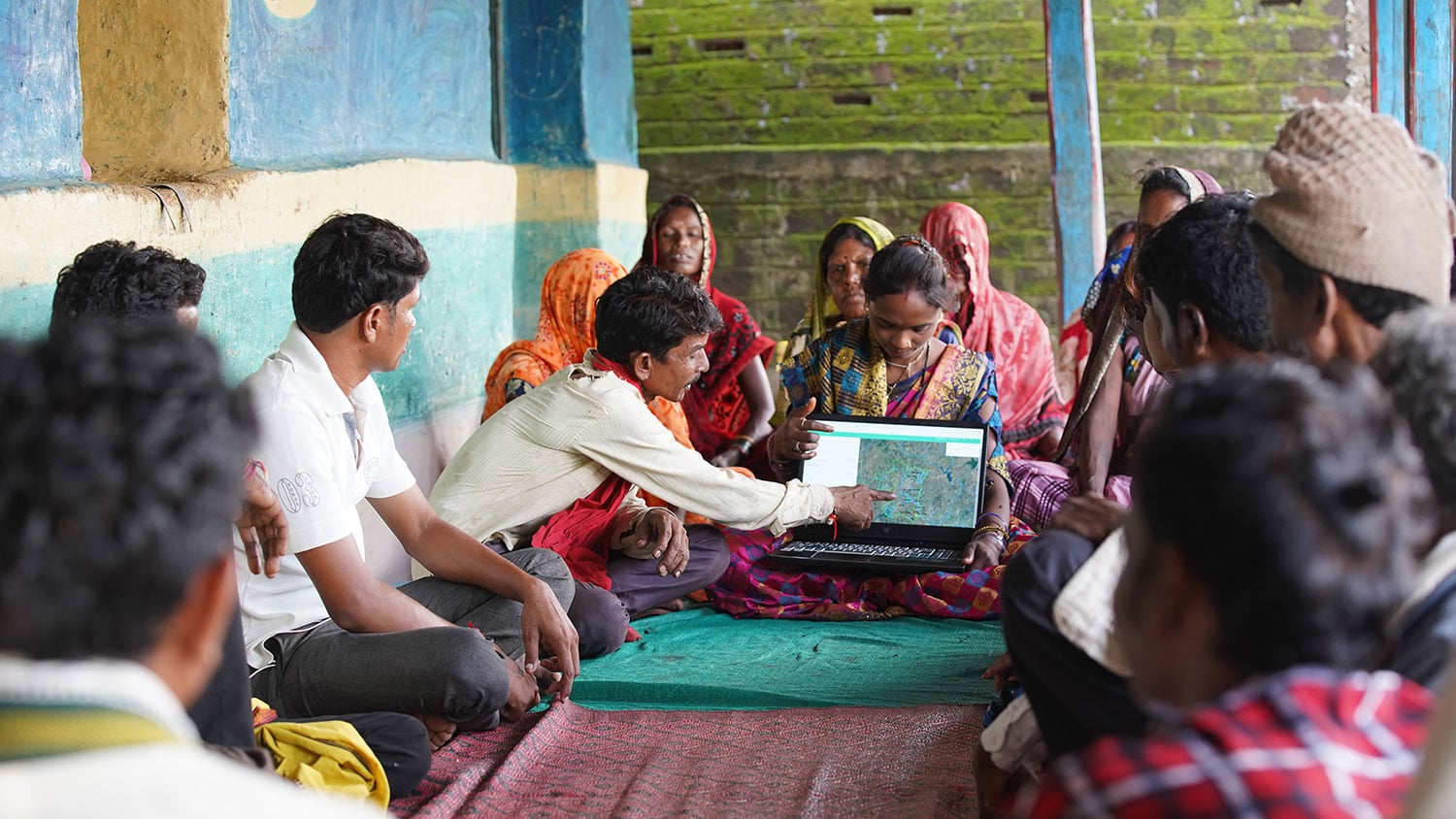
What we’re working to change
Our six priorities set out the changes we are working towards with our partners. Together, they guide where we focus our research, action and influence to build a fairer, more sustainable world
Help migrants, including displaced people, to have brighter futures
Over 280 million people are international voluntary migrants and 120 million more are displaced. Most reach cities. We work to make mobility a normal part of development planning, and to make cities places that can receive people safely
Shift trade, finance and investment to benefit people and planet
Less than a third of climate finance supports local action, while more than US$2 trillion a year flows from the global South to the North. We work to reshape trade, finance and investment so they support climate resilience, responsible business, fairer debt and stronger protections for people, land and nature
Evolve cities as places of inspiration and justice
By 2050, 68% of the world’s population is expected to live in cities, while over one billion people already live in informal settlements. We work with communities and city authorities to advance housing justice, strengthen neighbourhood-led governance, and test new approaches to climate resilience and low-carbon development
Promote forest, farm and fisheries systems that feed and nourish people and planet
Farming and food account for around 30% of global emissions and 80% of biodiversity loss. We work with small-scale producers, pastoralists, fishing communities and Indigenous Peoples to strengthen rights, livelihoods and resilience, while supporting food systems that restore nature and nourish people
Transform climate action and governance so people and nature can thrive
The world is still on course for over 2.5°C of warming by 2100, while too little climate finance reaches the people most affected. We work to move money and decision-making closer to the people living with the impacts, scale practical responses to loss and damage, and bring local experience into global climate negotiations
Champion community-led nature governance and stewardship
While one million species are threatened with extinction, global targets aim to protect 30% of land and seas by 2030. We work to put Indigenous Peoples and local communities at the heart of nature governance, strengthen rights and stewardship, and develop fairer approaches to conservation and nature finance
Our manifesto for a thriving world
Tackling climate change, nature loss and inequality means changing the systems that sustain them. Our manifesto sets out how destructive economic models, unequal power, entrenched mindsets and protectionist laws block progress, and how we will work with others to challenge them
How we work with others
Partnerships
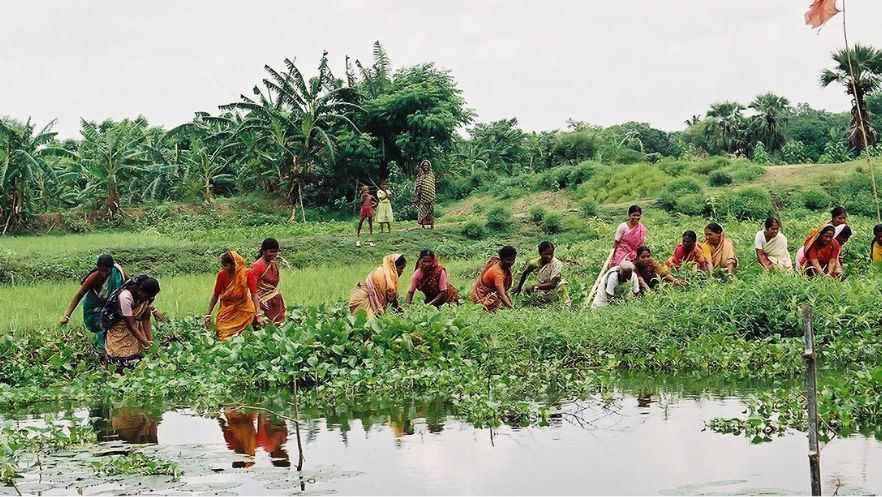
Long-term partnerships are at the heart of our work. We collaborate with community organisations, research institutions, governments and international bodies across 60 countries, combining knowledge and experience to pursue shared goals
How we work
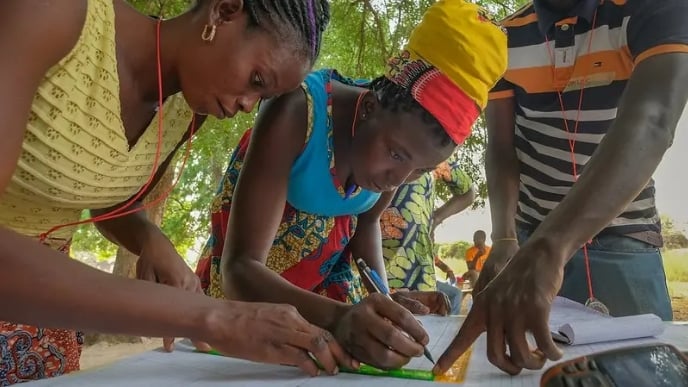
We combine research, practical solutions and advocacy to turn evidence into change. Working with our partners, we bring local knowledge into policy debates and support people to influence the decisions that affect their lives
What we’ve changed together
Our six priorities focus our research, partnerships and influence on tackling climate change, nature loss and inequality, and the unfair systems that drive them. Visit our impact page to find more.
Explore our work by topic
Find research, projects and publications on the issues that interest you