Items tagged:
Informal sector
-
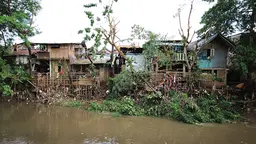
Multiple housing and climate-related vulnerabilities of informal workers in Indore, India
While informal workers in Indore, India contend with multi-faceted vulnerabilities, recent research shows a gradual transition towards resilience. Guest bloggers Siddharth Agarwal and Kanupriya Kothiwal discuss the findings.
-
The politics at play in Vietnam’s food system
Guest blogger Christophe Béné discusses how perception, personal beliefs and values can overrule science and evidence in policymaking – and how this is influencing policies and crisis narratives around food safety in Vietnam
-
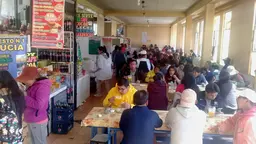
Citizen-led research serves up answers on what Bolivian food vendors want
Guest blogger Jorge Vladimir Garcia describes the outcomes and challenges of research, led by traditional food vendors themselves, on what might help keep market eateries in La Paz popular in the face of rising competition.
-
For street vendors, finding water and toilets isn’t just a nuisance, it’s cutting into earnings
Guest blogger Carlin Carr argues that providing street vendors access to safe, clean water, sanitation, and hygiene resources benefits not just sellers but the wider community
-
MoreMilk – reviewing policy options for the informal dairy trade
IIED and ILRI are studying what the alternatives are to formalising informal dairy markets – and what these alternatives need to work
-
IIED at ministerial green economy conference
IIED researchers spoke at the international ministerial conference of the Partnership for Action on Green Economy (PAGE) from 27-28 March, discussing how best to support countries making the transition to inclusive and sustainable economies
-
Ghana: on our way to participatory reform in the artisanal and small-scale mining sector
With an engaged government, private sector and multi-stakeholder engagements already in place with artisanal and small-scale mining (ASM) communities, Ghana provides an excellent opportunity for a dialogue that delivers solutions to the challenges facing the ASM sector
-
Informal economy and green growth conference pinpoints need for new policy agenda
Participants at a London conference on informal economies agreed on the need for a new framework that links informality and the green growth agenda
-
Lessons from the informal sector
Could the informal economy provide the way forward for the green growth agenda? Ahead of an IIED event on 25 February, Mao Amis looks at lessons that can be learned
-
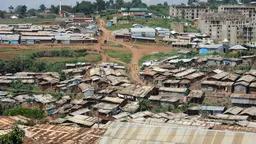
Nourishing livelihoods: the food vendors sustaining Nairobi's slums
Selling food in Nairobi's informal settlements can provide cheap meals and create vital livelihoods, especially for women, but these providers are usually ignored and remain invisible
-
Lessons in informality from Kenya's dairy sector
Informal markets are at the heart of many developing country economies, but how can authorities work with the informal sector? A training and certification scheme for Kenya's informal dairy sector provides valuable policy lessons
-
Showcasing innovations in policy approaches to informality
IIED's Shaping Sustainable Markets initiative has published seven briefing papers that showcase innovations – and challenges – in developing inclusive policy approaches for the informal economy
-
A day of sharing ASM knowledge
Throughout Thursday, June 25, IIED created an online space for dialogue and sharing knowledge and information about the artisanal and small-scale mining (ASM) sector
-
Laying the foundations for a dialogue series on artisanal and small-scale mining
With support from the Ford Foundation, IIED is undertaking a robust research and engagement programme, including the convening of a 'visioning workshop' on artisanal and small-scale mining (ASM), to lay the foundations for a multi-stakeholder dialogue series on ASM
-
Delivering solutions through multi-stakeholder dialogue
IIED's dialogue series has been designed to address the global coordination and knowledge gaps that exist in the artisanal and small–scale mining (ASM) sector
-
What do street food, charcoal, gold, mobile phones and milk have in common?
Informality may be responsible for many things produced, processed or sold by people who operate outside formal rules and regulations, but small markets add up to big business
-
Informality and formalisation in the artisanal and small-scale mining sector
Artisanal and small-scale miners informally produce 15-20 per cent of the world's gold and 80 per cent of its sapphires. Yet the sector faces complex problems. IIED and its partners have published two papers on the risks
-
Building bridges between the money and the many in mining
Abbi Buxton reports on efforts to overcome distrust and conflict between artisanal and large-scale mining operations, through an international project that will bring the two sides together to seek sustainable ways to coexist.
-
Dialogues for a sustainable and productive artisanal and small-scale mining sector
IIED's dialogue programme for the artisanal and small-scale mining sector allows stakeholders to collaborate to empower miners, improve governance and deliver a more secure working environment
-
Resilient Dynamism? An informal word with leaders meeting in Davos
Political and business leaders gathering in Davos will discuss ‘resilient dynamism’, but their distrust of informal economies is a missed opportunity.