IPCC Seventh Assessment Report – more diverse participation and greater use of findings
IIED is contributing towards making the IPCC Seventh Assessment Report cycle more inclusive and actionable by facilitating stakeholder consultations, supporting diverse participation in expert reviews and producing knowledge translation tools to promote change agendas and foster greater impact.

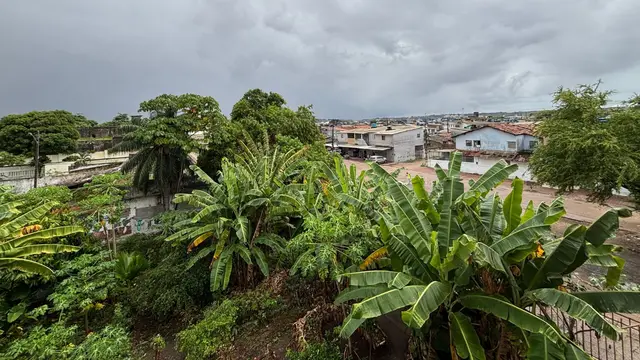
Informal housing in Jakarta (Photo: trevor.patt, via Flickr, CC BY-NC-SA 2.0)
In IIED’s quest to transform climate action and governance so that people and nature can thrive, the institute is engaging with the Intergovernmental Panel on Climate Change (IPCC) Seventh Assessment Report cycle.
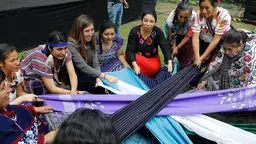
We want to make sure that diverse actors, including Indigenous Peoples and local communities, those living and working in urban informality, and a range of knowledge traditions, are included in the report process and inform its contents.
This initiative will strengthen the links between the IPCC and research to ensure inclusive climate action by enabling non-scientific stakeholders to drive evidence-based solutions.
It will increase the meaningful participation of historically underrepresented practitioners, including Indigenous Peoples and local communities, in line with their internationally recognised rights.
When the report is produced, we will support translating the findings for different actors and audiences so that their use can be optimised. The result? Research and evidence bridging knowledge and policy for greater impact.
What is IIED doing?
IIED is part of a vibrant global network of partners – many of which operate at the grassroots level of the majority world. These organisations work in communities that are among the most exposed to the impacts of the climate crisis, global nature loss and rising inequality but are often excluded from research, negotiations and policymaking.
IIED’s IPCC engagement initiative will leverage these networks and existing relationships to:
- Facilitate stakeholder consultations, especially with Indigenous Peoples and local communities from the majority world
- Facilitate the inclusion of diverse knowledge systems, including grey literature and Indigenous Knowledge, into IPCC AR7 assessment processes
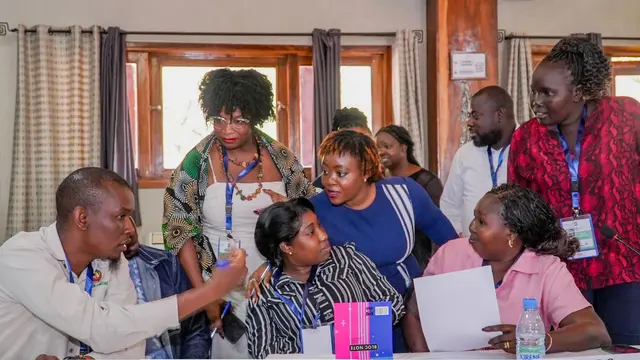
- Support diverse participation in authorship and review of IPCC AR7 products, and
- Produce knowledge translation tools to help with integration of IPCC products in climate action.
Deeper engagement, more inclusive climate action
Deepening engagement between the IPCC and diverse stakeholders, and bridging research and policy, will help climate action be more inclusive and aligned with lived realities – especially the realities of people in the majority world.
At the same time, IIED advocates for actionable and usable IPCC assessment reports that are accessible to diverse knowledge-holders. The assessment reports should include clear recommendations for action, with a particular focus on communities most vulnerable to climate change, including Indigenous Peoples and local communities.
This will lay the foundation for stronger systemic change across both negotiation and science-policy spaces.