Getting back on track: turning global biodiversity promises into fair and locally-led action by 2030
The bi-annual UN biodiversity summit, CBD COP17, will take place in October in Armenia. Nicola Sorsby and Barbara Lassen discuss why this conference is a pivotal moment for global action to reverse biodiversity loss.



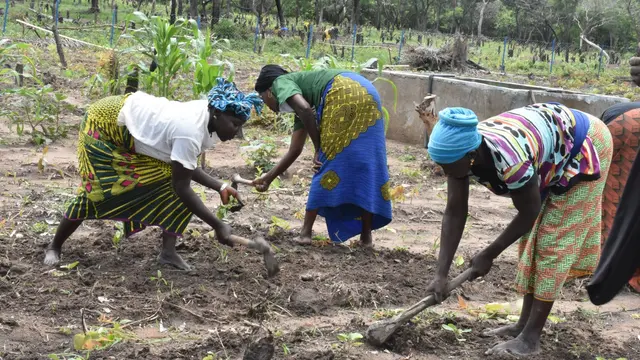
Farmers in Zambia are working with international and national bodies to strengthen their climate resilience through modern technology, sustainable agricultural techniques and enhanced understanding of climate issues (Photo: UNDP Climate, via Flickr, CC BY-NC 2.0)
What is CBD COP17 and why is it important?
In October, the city of Yerevan in Armenia will host the 17th Conference of the Parties of the Convention on Biological Diversity – also known as CBD COP17. The conference is crucial to addressing progress on the implementation of the global biodiversity framework (GBF) – the landmark policy instrument agreed in 2022 to halt and reverse global biodiversity loss by 2030.
COP17 marks the halfway point for GBF implementation, with the first global review of progress (PDF) against the 23 GBF targets expected to dominate the negotiations.
The key message from the draft review is clear: although the GBF has sparked unprecedented global commitment to taking action on biodiversity, the world is not on track to achieve the 2030 targets.
Given the global decline in biodiversity, ecosystems and species – accelerating faster than at any time in human history (PDF) – it is more urgent than ever that policymakers, governments and the whole of society turn these targets into action.
The conference takes place a month before the corresponding climate conference – UNFCCC COP31 – in Antalya, reminding us that promoting synergies between the UN conventions is critical for meaningful progress: the GBF targets can only be achieved if climate policy action also supports biodiversity outcomes.
Is implementation making a difference where it is needed most?
With the findings of the global review front and centre, pressure will be on negotiators at CBD COP17 to ramp up progress against each of the GBF targets. Key agenda items will focus on finance and resource mobilisation, the monitoring framework, the Gender Plan of Action and the implementation of Article 8(J) and its subsidiary body, recently established to meet the needs of Indigenous Peoples and local communities under the convention.
While this focus on implementation is paramount, there is little evidence to suggest it is making a difference yet to the people and places where change is most needed.
Despite their unique knowledge and skills to protect biodiversity, Indigenous Peoples and local communities around the world are too often excluded from decision-making on biodiversity policy; their territories are insufficiently recognised and under threat and the financial resources to support their activities rarely reach them.
The establishment of the subsidiary body on Article 8J is a positive step forwards in this regard, but planning for this mechanism is still in its early stages.
COP17 should therefore not only ask whether countries are making progress against global biodiversity targets but also whether their implementation is involving the people, places and institutions that will determine whether biodiversity action succeeds.
IIED pushing for change
IIED will be at COP17 advocating for this overarching key message: biodiversity action, finance and implementation across all the GBF targets must be locally led, rights-based, gender-responsive and inclusive.
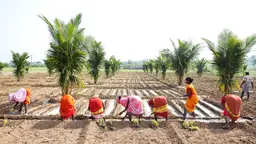
It is vital to recognise the critical role of Indigenous Peoples and local communities, their traditional knowledge and their cultural values, in protecting biodiversity across all the targets.
We will push for decolonial approaches to nature conservation and GBF implementation.
This will include designing metrics and indicators based on Indigenous and traditional knowledge rather than donor metrics, shifting power and resources to Indigenous Peoples and local communities so they have full agency to design and deliver projects in line with their needs and priorities, and ensuring their full and effective participation in CBD processes.
Our engagement will focus on nature finance, rights and equity in protected and conserved areas, the gender plan of action and sustainable use of wildlife.
Specifically, through side events with partners we will promote and re-launch the inclusive nature action principles, launch a handbook on gender and biodiversity data, present research on the barriers to Indigenous and community leadership in conservation, advocate for agroforestry and agroecology through our role in the TERRA initiative, advocate for reform of environmentally harmful subsidies, and make sure nature finance mechanisms support locally-led and rights-based approaches.
Exploring key issues through an insight series in the lead up to COP17
Over the coming months, IIED will explore many of these key issues in more detail in a series of insights. We will consider what’s on the table, which outcomes we want to see and why.
And we will be at COP17 in person to host a series of side events with partners and follow developments on negotiations in real time. See more details of our engagement and side events at SBSTTA-28, SBI-07 and COP17.
This is a critical moment. The world is off track to achieve the 2030 targets agreed in 2022. It’s time to move faster to translate pledges into action – something for which we must all take responsibility.