Far Away From Home: exploring city responses to refugees
This event explored city responses to refugee hosting from the global South and North, and saw a special screening of 'Far Away From Home'.

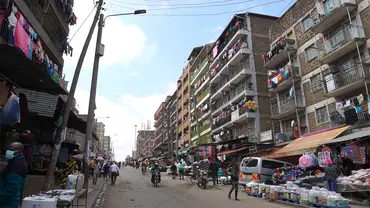
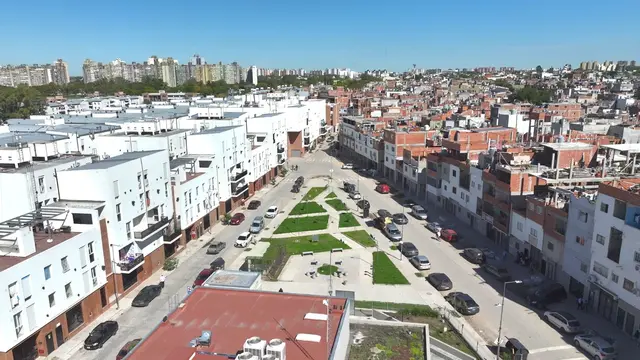
A view of rooftops in Nairobi (Photo: Screenshot taken from the film 'Far Away From Home' by Koch Films)
In the past decade, the number of displaced people worldwide has more than doubled, exceeding 122 million. Persecution, human rights violations, conflict and climate change have driven millions from their homes to seek safety and a better life elsewhere.
The majority of refugees and internally displaced people now live in urban areas, not camps. Despite this, most humanitarian aid is still directed toward camp settings. A growing body of research now supports a shift towards an ‘urban first’ strategy to displacement.
This hybrid event explored innovative city responses to refugee hosting from the global South and North. It focused on inspiring examples from Bristol, UK, known for its ‘sanctuary city’ model, and Nairobi, Kenya, where a groundbreaking refugee strategy has recently been approved.
The event opened with a special screening of 'Far Away From Home', a captivating film that follows the lives of urban refugees navigating Nairobi’s dynamic streets. Created in collaboration with young community filmmakers, urban refugees and researchers, the film offers an intimate look at the daily struggles and aspirations of refugees and asylum seekers in an urban context.
Following the screening, the panel explored lessons learned from different city responses and offered reflections on how urban strategies can reshape the future of refugee hosting. Participants examined how cities can lead the way in building inclusive, resilient communities for displaced people.
This event was hosted by IIED in partnership with the Mayors Migration Council and was supported by Bristol University's Migration Mobilities Bristol Research Institute and Ashley Community and Housing (ACH) Bristol.
About the film
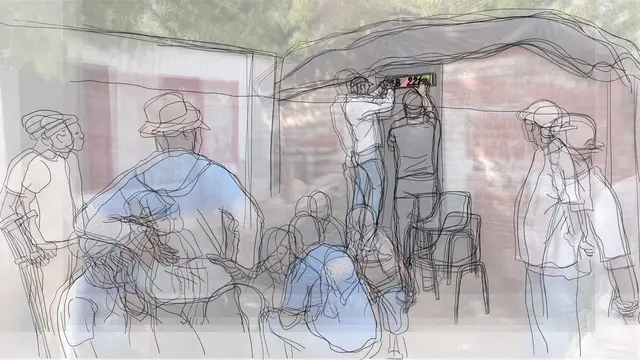
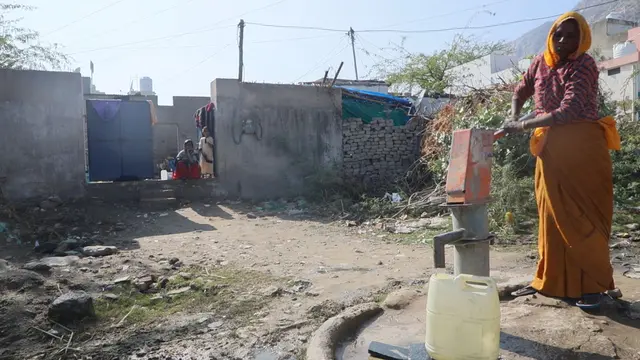
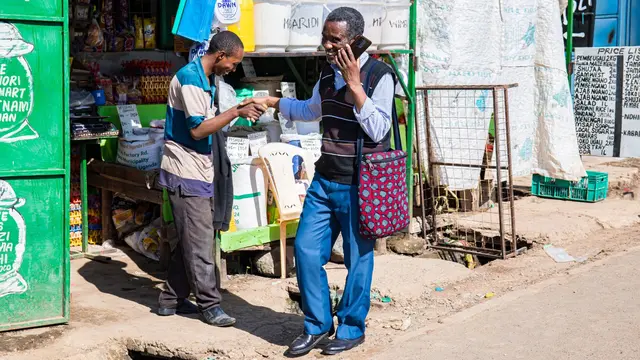
'Far Away from Home' follows urban refugees navigating the vibrant, bustling streets of Nairobi. Developed through a unique collaboration between young community filmmakers, urban refugees and researchers, the film captures the everyday challenges and hopes of urban refugees and asylum seekers.
Through intimate interviews and on-the-ground footage, the documentary highlights critical issues such as the struggle for proper documentation, encounters with discrimination, and the persistent threat of police harassment and arrest. These stories reveal the harsh realities that refugees endure as they seek to build new lives far from their homelands.
The film captures the intricate ways policy challenges intersect with daily lives, but, despite the adversity, 'Far Away from Home' also shines a light on the rich contributions that migrants make to Nairobi's culture and economy, showcasing how refugees are integral to the city's dynamic fabric. The film centres urban refugees’ joys, hopes and aspirations, offering a poignant portrait of the city’s – all cities’ – ultimate changemakers: migrants.
About the speakers
Lord Marvin Rees, British Labour Party politician who served as the Mayor of Bristol from 2016 to 2024. He was appointed a life peer in December 2024. He is a co-chair of the Mayors Migration Council, working to bringing the voices of cities and their leaders into international frameworks on migration, and to channel funding and resources into cities the world over.
Susan Kimani, community development officer, Nairobi County City Government (NCCG).
Lucy Earle (moderator), director of Human Settlements, IIED. Lucy Earle’s work focuses on the intersections of urbanisation, urban poverty and humanitarian crises, in particular forced displacement into and within urban areas.
Alison Brown is professor of urban planning and international development at Cardiff University, and director of the Informality Research Observatory. She has expertise in forced displacement, urban informal economies and fragile cities, and has academic and practice experience in 27 OECD-DAC list countries. She has led and co-led major research projects funded by GCRF, UKRI, the British Academy and others on displacement and informality, and has published widely on these topics. She led the livelihoods workstream of the four-year comparative study on protracted displacement, led by IIED.
Ann Singleton, is strategic policy lead for the Migration Mobilities Bristol Specialist Research Institute at the University of Bristol.
Event coverage
You can watch a recording of the event below or on IIED's YouTube channel, where individual links to the start of each speaker's contribution are also provided.
About IIED Debates
This event was part of the IIED Debates series. Through the convening of expert speakers and external stakeholders, IIED brings together an international community to discuss critical issues.
IIED Debates encompass both physical and digital events, including critical themes, breakfast debriefs and webinars. These events are public and are hosted regularly throughout the year online and when possible in our London and Edinburgh offices.
IIED events newsletter
Sign up to our mailing list for updates and invitations to events throughout the year, including webinars, critical themes and debriefs.
Contact
Juliette Tunstall ([email protected]), IIED internal engagement and external events officer