An inclusive Nairobi? Refugee accounts of life in the city
Kenya has pursued an encampment policy since 1991, but around 16% of refugees in Kenya live in urban areas. This project used innovative methodologies to document refugee accounts of life in Nairobi and to highlight the potential of a more strategic urban response to displacement.

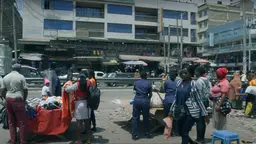
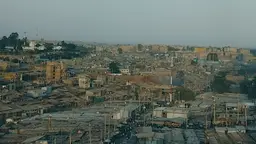
Eastleigh neighbourhood, in Nairobi (Photo: Koch Films)
Kenya introduced an encampment policy, requiring all refugees to reside in camps established and managed with UNHCR, in 1991. Despite this, around 16% of all refugees in Kenya live in urban areas.
Nairobi is home to most of them and is widely recognised as having benefitted from refugee enterprise. Neighbourhoods where refugees settled, such as Eastleigh, have become major commerce hubs. This buoyant economy relies and thrives on the ethnic and religious diversity and openness of those neighbourhoods, brought about by displacement. Yet refugees continue to face exclusion and undue complications in the pursuit of a dignified life.
The passage of the 2021 Refugee Act in Kenya increased public debate on the integration of urban refugees. The new legislation has the potential to improve the situation of urban refugees and their contributions to Kenya’s future. Particularly, it gives cities more devolved powers to do so, a move which enabled Nairobi City County Government (NCCG) to launch a Refugee Integration Strategy in April 2025.
This presented an opportunity to ensure that urban refugee voices and experiences were recognised and acknowledged, and that they informed the changes in policy and programming needed to implement the Refugee Act at the city level.
What did IIED do?
The ‘Living in difference and in common: urban refugees and convivial cultures in Nairobi’ project was led by IIED in close partnership with SDI-Kenya and a Nairobi-based community filmmaking collective, Koch Films.
Using creative methodologies, including combining walking methods with community filmmaking, the project documented how urban refugees navigate the vibrant, bustling streets of Nairobi, capturing the everyday challenges, contributions and hopes of the city’s refugees and asylum seekers.
The documentary film produced through this unique collaboration between researchers and community filmmakers, 'Far Away from Home', highlights critical issues such as the struggle for proper documentation, encounters with discrimination and the persistent threat of police harassment and arrest.
These stories reveal the harsh realities that refugees endure as they seek to build new lives far from their homelands.
Despite the adversity, Far Away from Home also shines a light on the rich contributions that migrants make to Nairobi's culture and economy, showcasing how refugees are integral to the city's dynamic fabric. Ultimately, it captures urban refugees’ dreams, hopes, and aspirations, offering a poignant portrait of cities’ – all cities’ – ultimate changemakers.
A participatory, engaged approach informed the film, allowing urban refugees to decide how they want to be depicted and what elements of their story they would like shared. They have seen and commented on various iterations of the film and approved the final version. They are very proud of it and call it “our film”.
The film won an Award of Merit at the 2024 Documentaries Without Borders International Film Festival. It was also screened by an associate director at NCCG in the lead up to the city’s launch of its Refugee Integration Strategy.
In February 2024, the film was screened in Bristol, UK and was followed by a panel discussion with Lord Marvin Rees (Mayor of Bristol from 2016-024) and NCCG assistant director Susan Kimani ). The event explored innovative city responses to refugee hosting from the global South and North, particularly Bristol’s ‘sanctuary city’ model and Nairobi’s refugee integration strategy.
The project activities contributed to:
- Increasing policymaker and public understanding of the undue complications faced by urban refugees, as well as their social, cultural and economic contributions to the city
- Supporting refugee voices and enabling their wider reach and deeper engagement with policy debates
- Expanding awareness of the intersectional dimensions of inclusion and exclusion faced by different refugee groups, including LGBTQI+ refugees, and
- Supporting evidence-based engagement with local and national government to inform changes in policy and programming that can support a more strategic urban response to displacement through the implementation of the Refugee Act at the city level.
News and updates
Additional resources
Video: Far Away From Home: exploring city responses to refugees (February 2025)
Video: Far Away From Home, Koch Films/SDI-Kenya/IIED (2024)
Exploring new approaches to urban refugee hosting in Kenya, Lucy Earle, Boel McAteer, Patricia Garcia Amado, Alison Brown (2023), IIED policy briefing
Somali refugees in Kenya: increasing camp-urban mobility, Boel McAteer, Patricia Carcia Amado, Akvile Krisciunaite, Michael Owiso (2023), IIED working paper