Land, climate and justice: grassroots women at the Global Land Forum
Rural and Indigenous women’s land rights are being eroded by development pressures, climate change and social inequality. Philippine Sutz reports on a project that examines how grassroots women are meeting these challenges in six countries, and that will bring their voices to the forthcoming Global Land Forum in Bogota


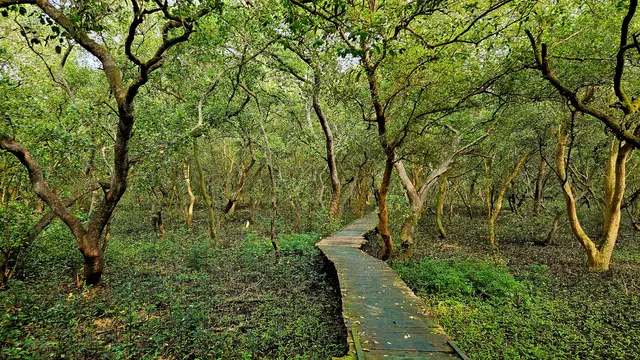
Environmental conservation practices, like reforestation, led by ASOM women members (Photo: copyright ASOM communications team)
Rural and Indigenous women across the globe rely on land, forests and water for their livelihoods. Access to, use of, and control over these natural resources provide not just a means of survival but also the basis for their cultural identity and social belonging.
Yet, despite progress in legal frameworks and decades of advocacy by women’s rights movements, structural inequalities and economic trends continue to erode women’s rights to land – particularly for socially marginalised groups such as Indigenous, pastoralist and forest-dependent women.
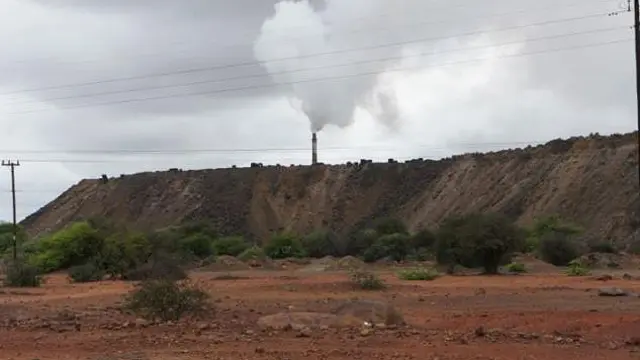
Pressures from large-scale land-based investments – in agriculture, extractive industries or conservation and tourism – undermine access and control over land and other natural resources, especially for women. At the same time, climate change and biodiversity loss intensify the challenges faced by communities that rely on land and natural resources for their subsistence. These combined pressures threaten women’s resilience and sever their longstanding connection to territory, agrobiodiversity, culture and social identity.
Case studies document grassroots responses
IIED has partnered with local organisations across Africa and Latin America to develop case studies that:
- Provide empirical examples of how intertwined climate and biodiversity crises, economic pressures and gendered norms affect women from marginalised communities
- Showcase how communities and women are responding: by developing their own approaches to protect their access and control over land and resources, amplify their voices, and shift power, and
- Explore how alternative economic paradigms can better protect these women’s rights and strengthen their resilience.
The case studies are part of our work that aims to promote a gender-just economy through stronger rights to land and natural resources. They explore women’s experiences across a range of ecosystems and governance contexts, highlighting the diverse ways in which people rely on the land - for agriculture, grazing animals, forest products, and cultural practices - and how women access land, both individually and collectively.
Our goal is to reflect the range of challenges that women face in these communities and document their innovative responses to these challenges.
A collaborative effort grounded in community realities
Each case study is grounded in the knowledge and lived experience of our local partners and the communities they serve. We worked with local organisations defending women’s land rights in six countries: UEFA (DRC), PWC (Tanzania), UCOBAC (Uganda), Groots Kenya, ASOM (Colombia) and ONAMIAP (Peru). This collaborative approach ensures that case study findings are relevant and actionable, providing a strong foundation for policy and advocacy at both national and international levels.
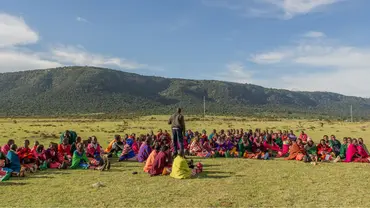
Across all six countries, women face particular challenges related to insecure land rights, environmental stress and conflict. From Batwa communities in South Kivu who face exclusion from their ancestral forests to Indigenous women in Peru fighting for recognition of their territories, and women pastoralists in Kenya and Tanzania adapting to shrinking grazing lands, the burden of tenure insecurity falls heavily on women.
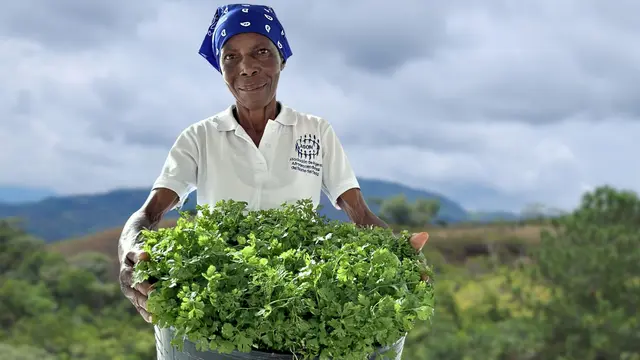
However, these same communities are also at the forefront of innovative strategies – using legal strategies, participatory governance and women-led initiatives to assert their rights and adapt to climate and economic pressures.
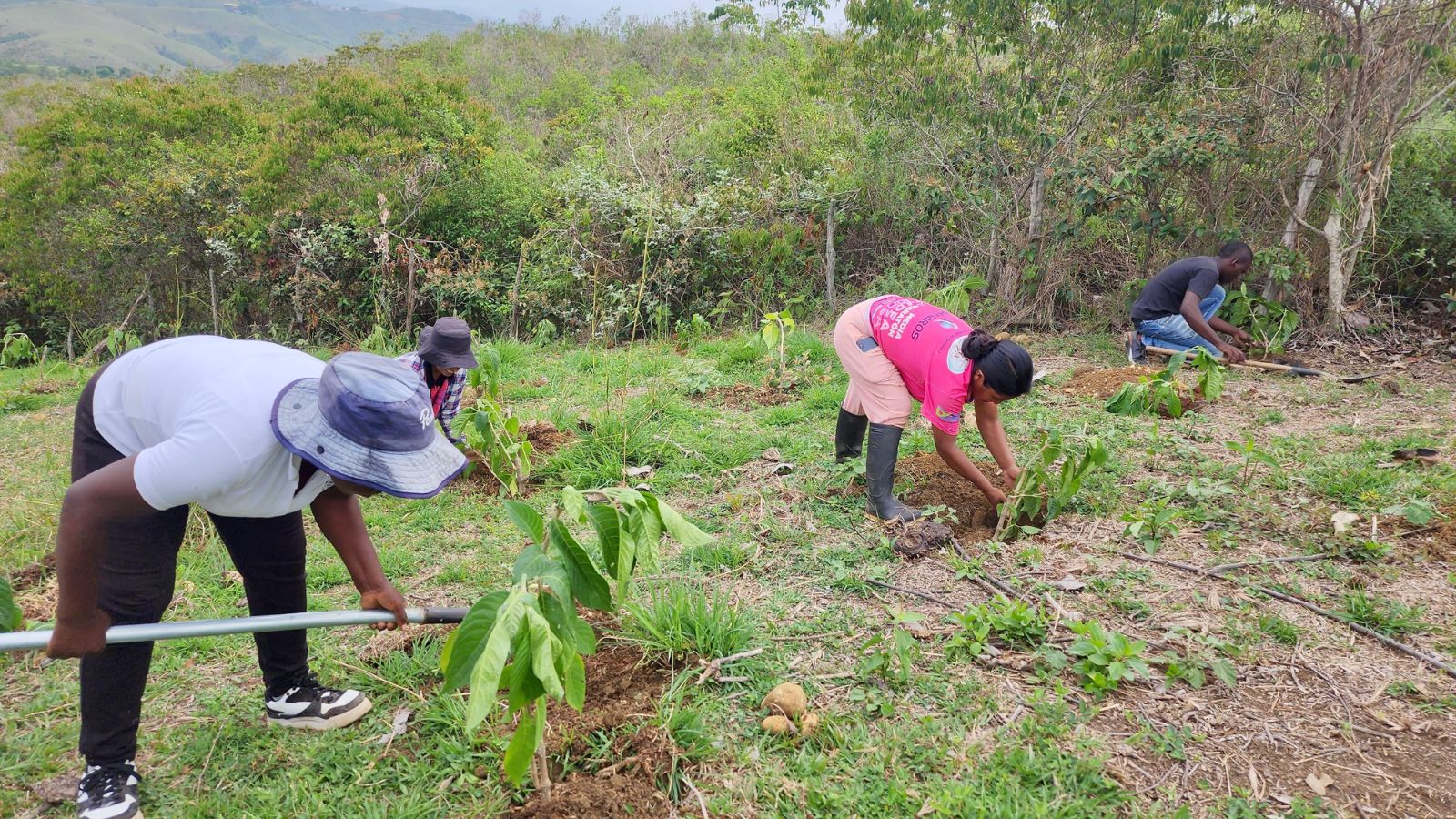
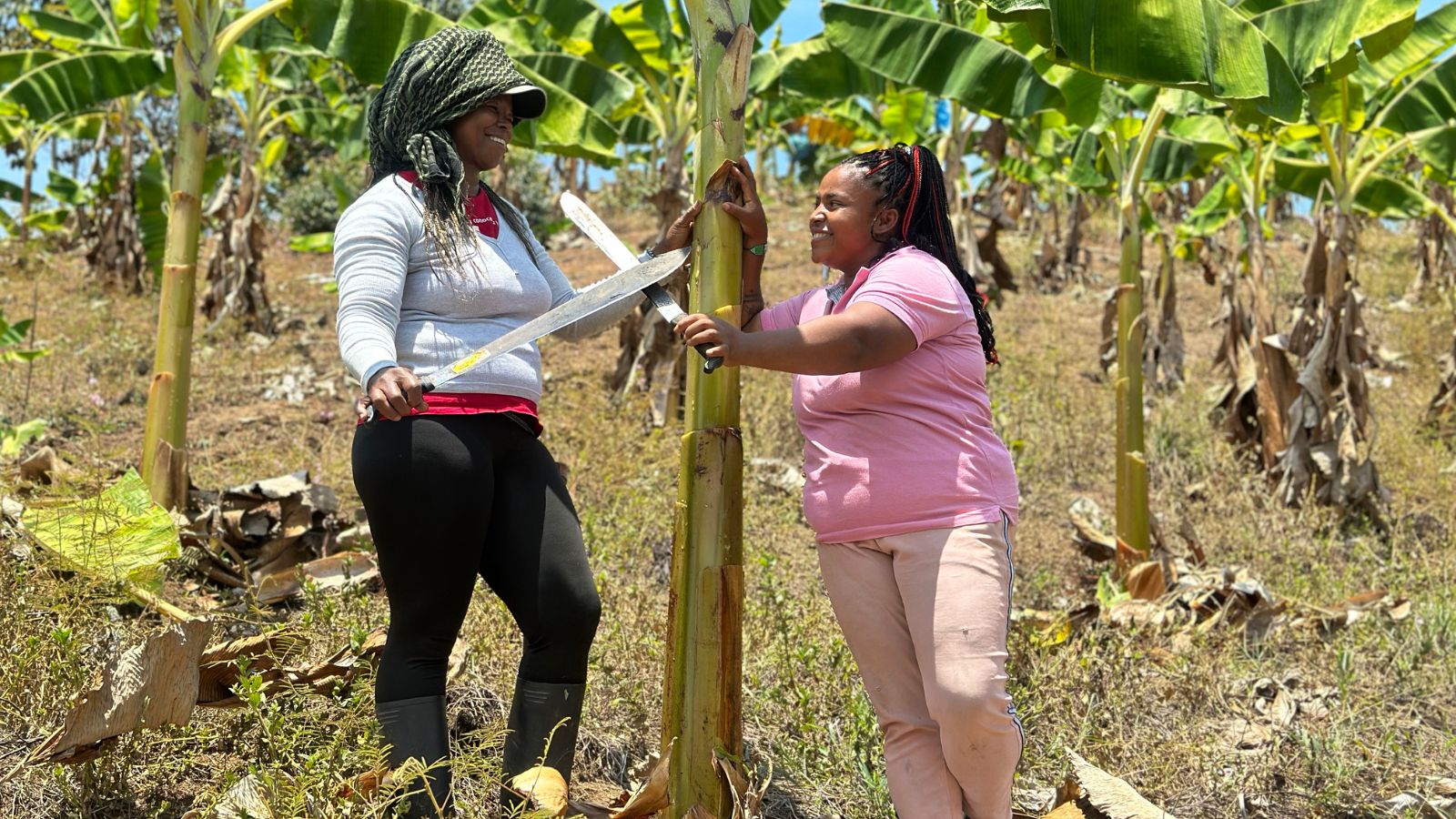
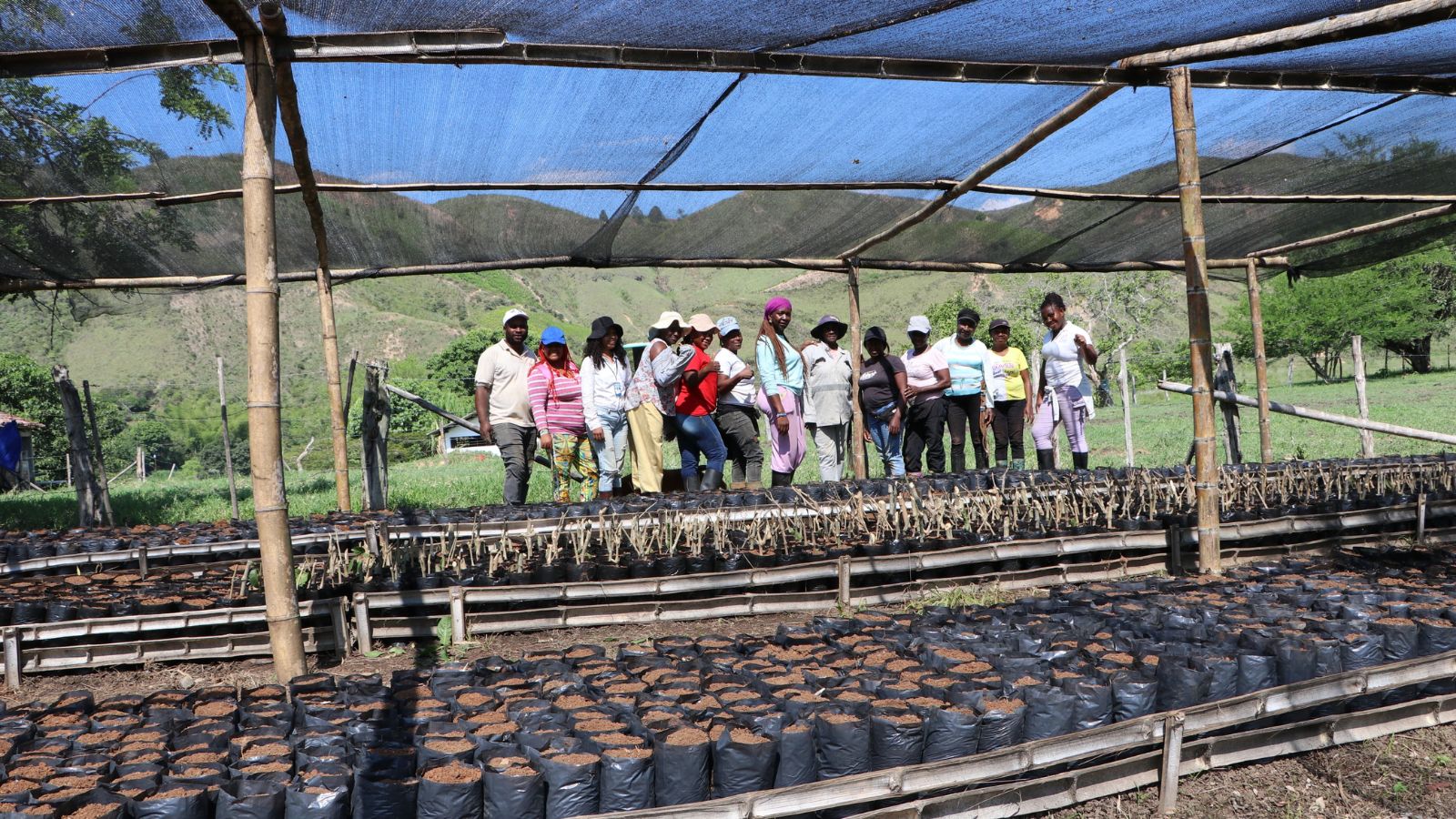

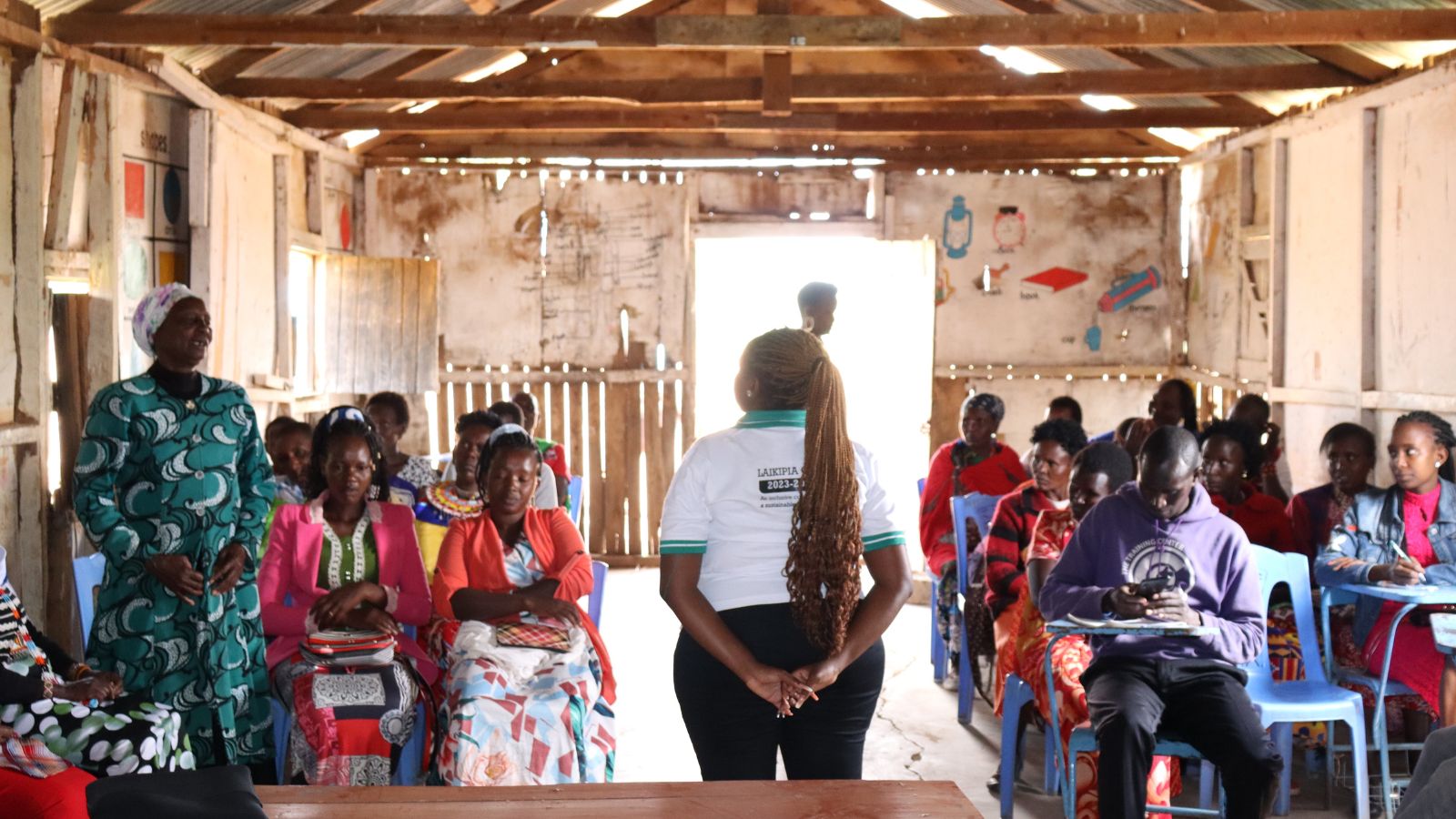
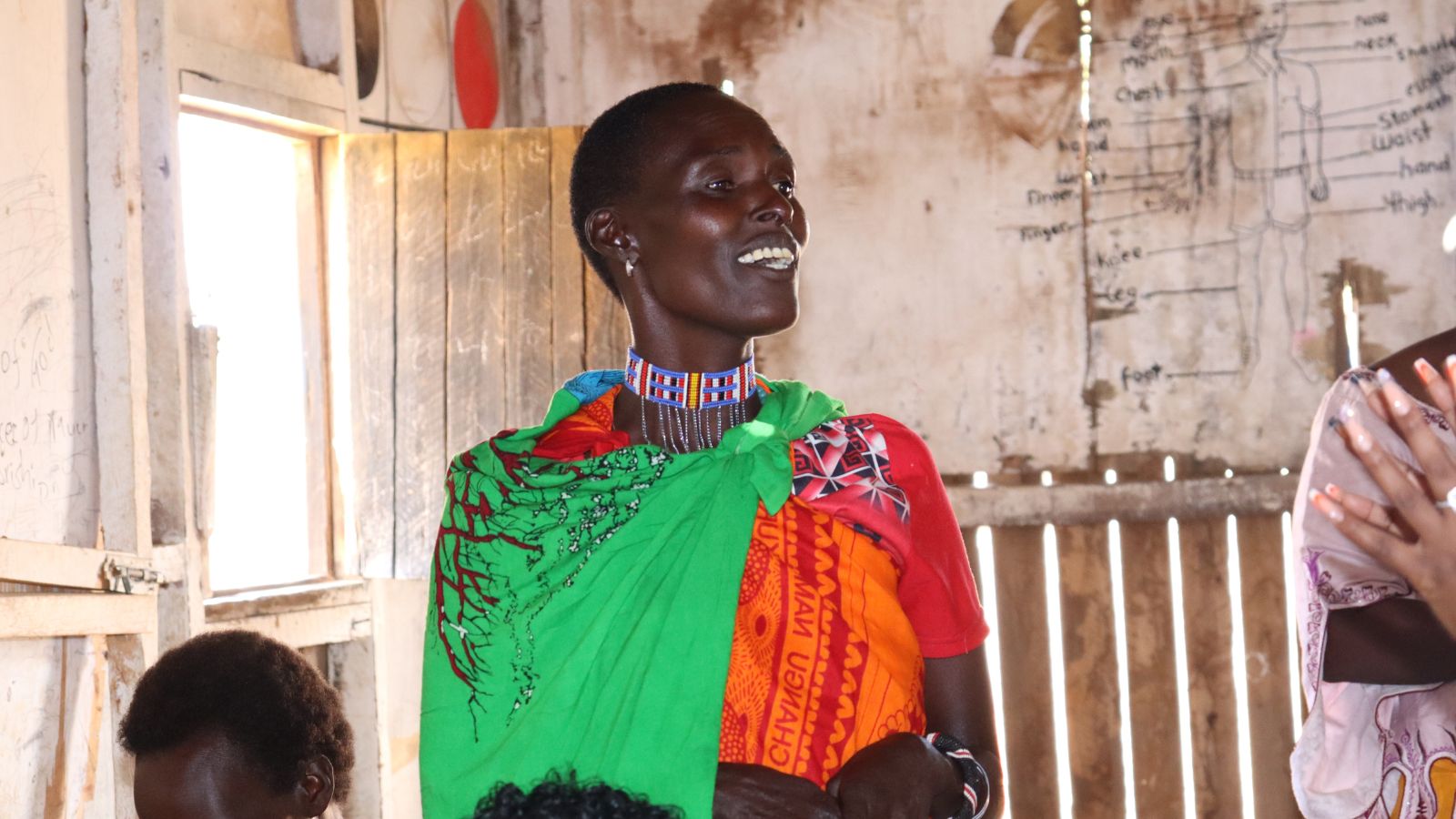
A photo gallery showing people working with Groots in Kenya and ASOM in Colombia on defending women’s land rights. Click on the photos to enlarge them and scroll through (Photos: copyright Groots/ASOM communications team as indicated on each photo)
Lessons that travel: the value of comparison
By bringing these case studies together, we can identify economic and social trends and bottlenecks that hinder women’s access and control over land across different contexts. For example, the case studies highlight that, despite the existence of progressive legal frameworks in many countries, weak implementation, a lack of political will and entrenched vested interests continue to undermine progress.
On the other hand, the studies also show how participatory land governance can make a difference, empowering women to claim their rights, challenge power imbalances and build resilience in the face of climate and economic pressures.
Taking a comparative approach is vital for policymakers, practitioners and donors working at the intersection of land rights, gender justice and climate change. It offers insights into what drives change and where systemic barriers still need to be addressed.
Connecting local voices to global debates
In June 2025, the global land rights community will gather in Bogotá (Colombia) for the International Land Coalition’s Global Land Forum. On 17 June, IIED contributed to the session 'Land, power & prosperity: promoting secure tenure rights for inclusive land governance, climate resilience and conflict resolution'. While the session explored the broader intersections of land rights, climate change and conflict resolution, it also drew on insights from our six case studies to ground the discussion in the lived experiences of women and communities.
IIED is proud to sponsor the participation of our local partners at the forum. Their presence ensures that grassroots perspectives are at the centre of global debates on land governance. IED will also convene a partners’ meeting to deepen collaboration, share lessons and plan future advocacy for more inclusive and equitable land governance.
The full case studies will be released later this year.