COP17 reaction: Progress on biodiversity welcome, but action remains too slow
IIED calls for more funding to reach Indigenous Peoples and local communities, alongside stronger action to tackle harmful subsidies.
Nicola Sorsby, researcher (locally-led action for nature and climate) at IIED said: “There was some positive movement at COP17, with new financial commitments and growing support for repurposing subsidies that harm nature. But progress remains far too slow.
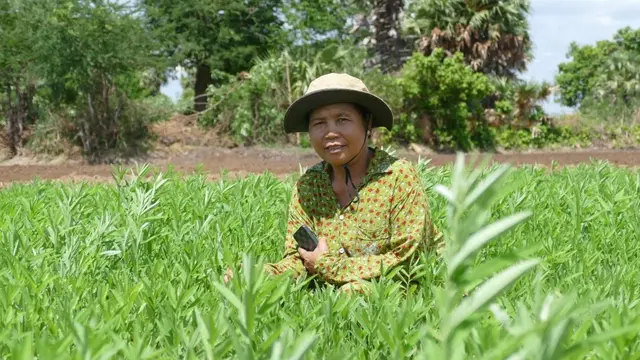
“The finance gap is still huge. Governments could make existing commitments more effective by getting money directly to Indigenous Peoples and local communities, whose knowledge and stewardship are vital to protecting biodiversity.
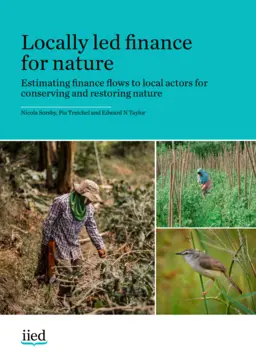
"Yet IIED research found that only around 2% of biodiversity finance project descriptions even mention Indigenous Peoples – and overall funding remains woefully inadequate. Growing interest in high-integrity biodiversity credits is welcome, provided they deliver real benefits for people and nature."
She added: "But money alone isn’t enough. Communities need secure rights and a meaningful say in how nature is protected. New guidance on sustainable wildlife management is a positive step, recognising that using nature sustainably can support both conservation and local livelihoods.
"Efforts to accelerate action in marine and coastal ecosystems are also welcome, but much more needs to be done. Governments must also tackle the economic structures driving nature’s destruction, such as harmful subsidies.
“The COP negotiations can feel remote and abstract, but biodiversity loss affects us all – from food prices and water quality to our resilience against extreme weather. Governments urgently need to turn promises into action.”
For more information or to request an interview, contact Jon Sharman:
+44 7407 727 886, or [email protected]