ALIGN Zambia
In Zambia, the Advancing Land-based Investment Governance (ALIGN) project works to enhance land and natural resource governance by strengthening social and environmental safeguards throughout the investment process at both the national and local level.


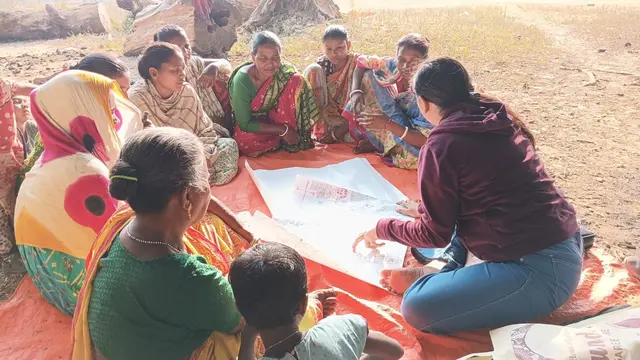
Community training takes place in the Mbonge community, Solwezi in North Western province, Zambia (Photo: Esther Akwii, CCSI)
Zambia is a landlocked country in Southern Africa endowed with natural resources, and mining and agriculture are key contributors to its economy by GDP.
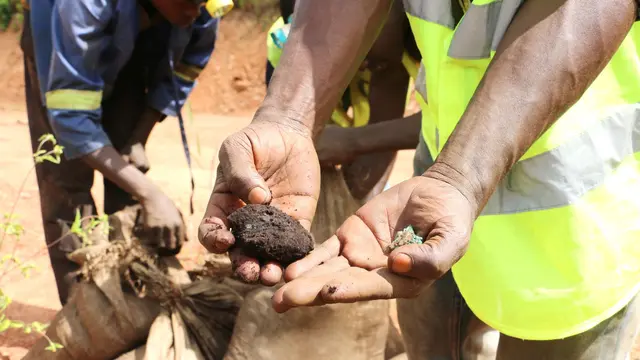
Zambia has a long history of copper production - it is the 10th largest copper producer in the world and second largest in Africa. It is also rich in other minerals, including transition minerals such as cobalt and manganese, and is therefore a key player in the global critical mineral supply chain.
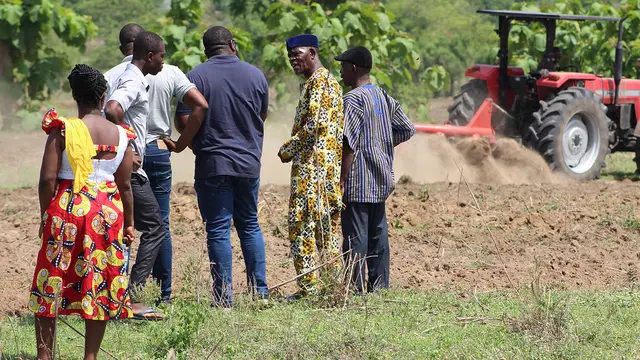
Meanwhile, to promote growth of its agricultural sector, the government set up 10 farm blocks across the country as part of a Farm Block Development Programme (PDF).
As part of efforts to drive economic development and industrialisation by attracting more private investment, the Zambia government has made clear its intentions to leverage its critical mineral resources to spur development. And to create a conducive space for investment, it has been carrying out various legislative and policy reforms, including of its mineral sector.
For example, the government has been revising its mineral and land laws and developed strategies such as a national strategy on critical minerals (PDF) and the National Three Million Tonnes Copper Production Strategy, which aims to boost copper tonnage by 3m by 2031.
However, Zambia continues to face environmental and social challenges that come with land-based investments.
Zambia operates a dual land tenure system, where statutory and customary land ownership co-exist. Statutory land is held by the state, while customary land is held communally under the stewardship of traditional leaders.
Most land in Zambia is still under customary tenure. The law in Zambia allows for the conversion of customary land to state land, often to facilitate investments, but there is no legal mechanism for reverting the land to customary status once the investment project is concluded.
This conversion of land for investment challenges the communal ownership and traditional governance structures integral to customary tenure, creating conflict - particularly acute in large-scale land-based investment projects - between investment needs and the protection of local communities' rights and practices.
Local communities have also been displaced by converting land for investment, often with poor or no compensation. The situation in Zambia is exacerbated by a weak regulatory framework and poor implementation of existing policies on resettlement and compensation of displaced communities.
Conversions have also resulted in a reduction of land held under customary tenure, gradually impacting the customary land system, its capacity to support local communities, and the ability of communities to adapt to pressures including climate change.
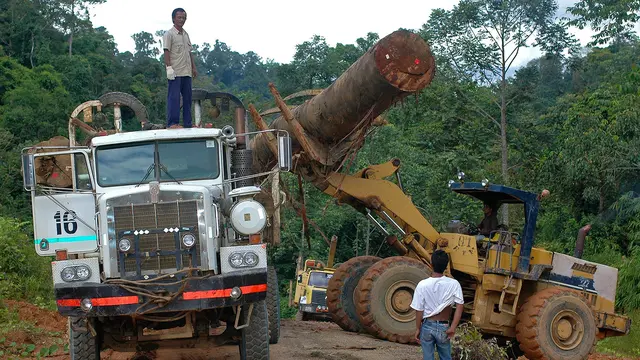
The environmental and health impacts of land-based investments are often acute. Local communities in Zambia have suffered severe impacts from mining, ranging from the pollution of water and soil to health impacts from manganese and lead mining.
What is ALIGN doing?
In Zambia, ALIGN is working to provide sustained, in-depth technical assistance that supports policy development and implementation, legal empowerment, and dialogue between actors.
IIED is collaborating with the Columbia Centre on Sustainable Investment (CCSI), the Centre for Trade Policy and Development (CTPD) and Zambia Land Alliance (ZLA) to support government, communities and civil society to improve the practise and governance of land-based investment by strengthening social and environmental safeguards throughout the investment process. This includes strengthening of climate considerations in investment approval processes.
ALIGN Zambia’s priority focus areas are agriculture, mining and energy, with the flexibility to incorporate other relevant sectors as the project progresses.
A two-pronged approach to the work means interventions can be made simultaneously at the national level, to support the formulation and implementation of policy reforms, and at the local level in four districts in central and northwestern provinces: Mkushi, Serenje, Kalumbila and Solwezi districts.
This work is complemented by evidence from field-level action supporting policy change at the national level.
To facilitate the programme of work and drive change, partners have focused efforts to three sub-objectives:
- Improving laws, policies, systems and practises of land-based investments
- Influencing synergies among institutions working on land-based investments, and
- Promoting active citizen participation in responsible land-based investments.
Additional resources
Impact story: Supporting communities to tackle the environmental impacts of mining in Zambia (October 2024)
Insight: Traditional authorities need a clearer role in land governance, Jesinta Kunda (April 2024)
Insight: Civil society organisations are key to creating better land policies: lessons from Zambia, Jesinta Kunda (April 2023)