Items tagged:
Rio+20
-
Reading into the future this Christmas
Future generations will thank those of today's leaders who take a longer-term view of the many challenges we face, says Camilla Toulmin.
-
Five moments from 2012 that could spell change for the planet
The big events and non-events from this last year that could have long-term repercussions on the sustainable development of our planet, from IIED's Director.
-
Making the Nagoya Protocol work at the community level
Two safeguards for communities' rights to resources can help implement the Nagoya Protocol.
-
Five things we’ve learnt from Rio+20
While the outcomes from Rio +20 may not currently give grounds for much optimism, its value is likely to be in less tangible, longer-term changes in attitudes and understanding.
-
Costa Rica: Growing money on trees
Actions urgently needed to protect ecosystems are costly, and money doesn’t rain down from the sky or grow from the trees. Or does it?
-
Rio+20: Forests form important foundation for a green economy
The potential role of the forest sector in emerging bio-economies is immense. Vietnam has spotted the potential and is driving the sustainable management and expansion of its forests.
-
Sustainable energy: can a new initiative succeed where Rio+20 failed?
Rio+20 failed to deliver any significant globally binding agreements on energy. Will voluntary Sustainable Energy For All initiative commitments fare any better?
-
Rio+20: Key recommendations from IIED conference
IIED's report summarises what leading thinkers — including government ministers, business leaders, senior scientists and environmentalists, UN agency staff and representatives of community organisations and indigenous peoples — said at IIED’s two-day conference in Rio de Janeiro, on 16-17 June.
-
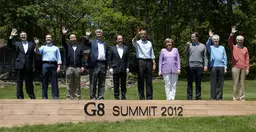
Rio+20: where are the G8 leaders?
Many G8 leaders are snubbing this month’s landmark sustainable development summit in Rio, but surely they have a duty to engage and play their part.
-
Influencing the outcomes at Rio+20
IIED is playing an important role in getting government representatives and environmentalists together at our
-
3-point action plan for leaders at Rio+20 summit
The International Institute for Environment and Development urges governments to invest in resilience, strengthen local control over natural resources, and apply realistic values to the environment and human wellbeing in order to steer societies onto a more secure path.
-
Nigerian subsidy crisis shows the road to a green economy isn’t smooth
The photos coming out of Nigeria over the last two weeks speak for themselves.
-
Green Economy Coalition gives Rio 2012 text a Grade B
Twenty years on from the first summit on sustainable development, yesterday the United Nations Conference on Sustainable Development Bureau released th
-
Defining the agenda for Rio +20: my analysis
The UN draft agenda revealing the vision for Rio +20 sustainable development goals and what might be decided at the conference in June 2012 has been made public and reported on in the media.
-
Earth Summit 2012: Crucial opportunity that needs broader buy-in
As shoppers in New York surged through streets and avenues bedecked with festive offerings, delegates from around the world were summoning up the collective will to make something of the crucial opportunity presented by the Earth Summit in Rio
-
Three angles on 'green growth'
How can you marry environment and development? Over the past two years, governments and businesses have begun to trumpet ‘green growth’ as one way of boosting economic growth without compromising environmental sustainability.
-
Green economy – learning from the Caribbean
Since the recent global financial crises, the phrase ‘green economy’ has appeared liberally in newspaper headlines, and politicians’ and CEOs’ promises. They usually mean ‘low-carbon economy’, the idea of shifting energy and infrastructure towards clean, high-tech systems. Green economy is seen as an answer to financial problems – G20 stimulus packages included ‘green’ components, hoping to improve national competitiveness and create new jobs through green technology, and wean economies off insecure and expensive fossil fuels. And it is seen as a practical way to supplement climate change conventions – you don’t need an international agreement to change economic practices that cause climate change. All very good news for Danish wind farm installers, Japanese hybrid car manufacturers, and Chinese solar panel factories. But what does the green economy mean for the developing world?