Data for gender justice: tackling gender-based violence in the energy transition
IIED and partners are mapping how gender-based violence (GBV) data is generated, shared and used across the energy transition minerals sector identifying gaps and strengthening evidence pathways to support more effective, ethical and accountable decision-making.
Senior researcher (strengthening partnerships team), Climate Change research group

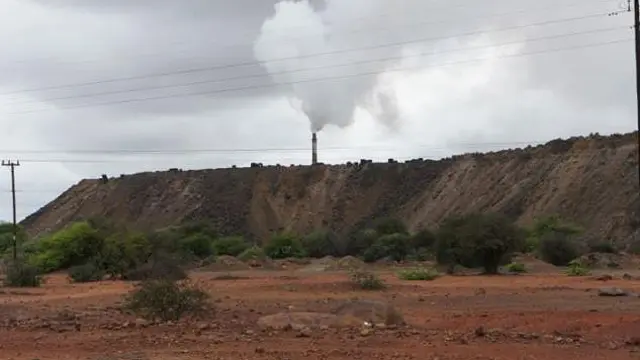
A large scale mining site of the type that extracts minerals, such as cobalt, that are critical for the green energy transition (Photo: Vlad Chețan via Pexels)
Demand for minerals and metals is growing fast as the world shifts to green energy. But complex geopolitics is creating uncertainty in environmental and social regulation, and gender rights are being sidelined and rolled back in increasingly polarised debates.
Gender-based violence (GBV) is a pervasive human rights challenge in large-scale (LSM) and artisanal and small-scale mining (ASM) workforces and communities; one that is perpetuated within a complex system of gender and racial inequality, harmful social norms and a lack of data that make it difficult to take effective action.
The sector is male-dominated, shaped by patriarchal norms, and marked by power imbalances that heighten risks of violence in workplaces and surrounding communities. In both large- and small-scale mining evidence on GBV is fragmented, inconsistent and unevenly valued. Formal quantitative data is often privileged, while qualitative, informal, structural or community-generated knowledge, often the most reflective of lived realities, is undervalued or invisible.
Improving these multiple data types, their pathways from collection to decision-making impact, and their perceived value, legitimacy and credibility, is essential for designing GBV programmes that are ethical, safe, survivor-centred and tackle the systemic drivers of gender-based harm.
Reliable, data-driven evidence is urgently needed to protect human rights and promote gender justice in this global energy transition. GBV is both a driver and a symptom of widespread gender injustice in energy transition minerals mining and value chains. To tackle this, stakeholders must understand and value data that fairly represents the harms and structural drivers of GBV, and use it to build accountability in policy and action.
This project aims to transform how evidence on GBV is generated, interpreted, used and prioritised/valued across the energy transition minerals’ value chain, ensuring that the standards, policies and practices of industry, governments and women’s and gender organisations meaningfully contribute to a gender-just transition.
Amid a rapidly changing policy landscape being shaped by evolving standards, growing due diligence and social safeguards requirements, and increased scrutiny of human-rights risks in critical mineral supply chains, IIED is seeking to shape global norms, strengthen local data collection and analytical capacity, and provide guidance to decision-makers on gathering and using GBV evidence ethically and effectively.
What is IIED doing?
With partners, IIED will co-develop a GBV data typology by identifying the different types of GBV data (formal, informal) currently used, and analyse the institutions and actors shaping GBV evidence, from women’s rights and gender organisations to mining companies, auditors, standard bodies and investors. We will document their data needs, challenges and the power dynamics.
Dialogues with the institutions and actors shaping GBV evidence will be set up to:
- Outline how different types of GBV data travels from survivors, communities and workplaces through processing, analysis and reporting systems to eventual users, such as companies, governments and investors. This includes formal channels (such as grievance mechanisms) and informal ones (such as community-shared stores and online sources)
- Document their data needs and challenges, and
- Shape a shared theory of change/impact pathway to influence global standards, reporting requirements, and due-diligence and safeguarding frameworks, and ensure that historically underrepresented voices are meaningfully included.
IIED will develop guidance to strengthen GBV data collection, interpretation and use, to contribute to more effective policies and programmes. And we will work with standard-setters, investors and supply-chain actors to show how to embed stronger GBV data requirements in new frameworks and advocate for their adoption.
The project applies principles of intersectionality, decolonised methodologies, gender and racial justice, equitable partnerships, and ethical research standards, ensuring that all engagement protects survivors and respects local contexts.
Working in a number of countries in the first year, the project will then focus on countries and regions with significant energy transition mineral production, mainly related to LSM.
IIED intends to engage women’s organisations, Indigenous Peoples organisations and local NGOs documenting community experiences of GBV in critical mining contexts; industry bodies; women in mining networks; standard-setters; and global gender-justice networks with this work.
News and updates
Additional resources
Understanding gender-based violence in critical mineral mining, Abbi Buxton (2024), IIED Briefing