Legal tools: sharing lessons from innovation
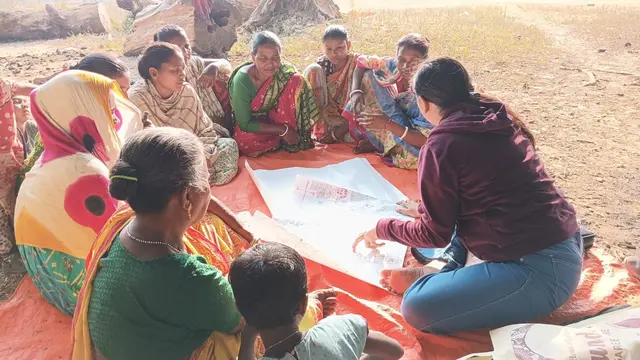
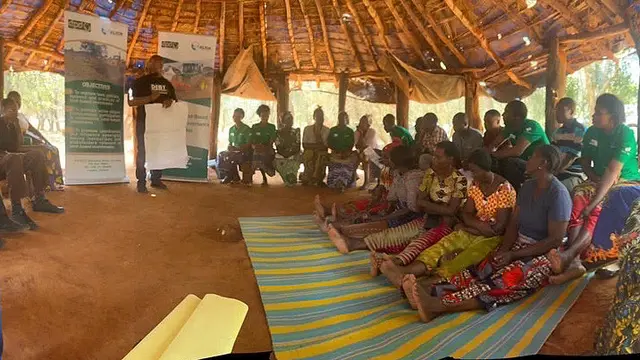
Around the world, citizens' groups are taking action to change the way investments in natural resources are happening, to protect the rights of citizens and the environment for a fairer and more sustainable world. The Legal Tools for Citizen Empowerment initiative shares tools and tactics among practitioners.


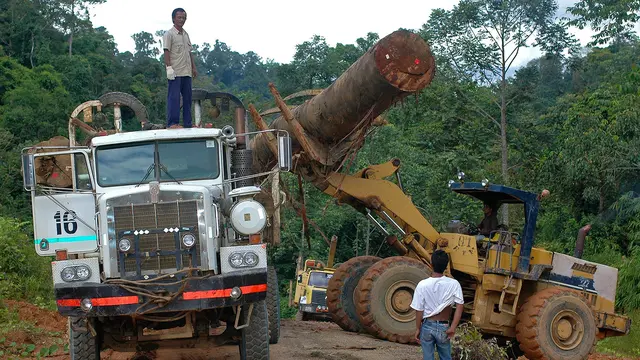
Kalimantan, Indonesia: A community leader discusses resistance to a logging company building a large oil palm plantation. The banner in the background demands that the company return rights to the community (Photo: Rainforest Action Network via Flickr, CC BY-NC 2.0)
Citizens' groups are using multiple levers to promote justice, sustainability and accountability in investment processes. These range from grassroots action to claim rights, engage in legal reforms and international policy debates, to mobilising international human rights bodies. It also includes making use of investor and company grievance mechanisms to scrutinising international investment treaties, contracts and arbitration.
Through approaches such as paralegal programmes, access to justice work, local by-laws and transnational advocacy, civil society organisations are enabling communities to register collective landholdings, claim their rights and to have a say in investments that affect their lives.
There is a need to share lessons from this experience – both the successes and the challenges still to be overcome. And in a carbon-constrained and time-pressured world, practitioners need new ways to communicate, interact and learn from one another without necessarily travelling the world to resource-intensive meetings.
What is IIED doing?
IIED works with practitioners who are developing innovative approaches to reflect on their experiences and share this learning with others. This includes:
- Documenting and publicising lessons learnt, and
- Convening lesson-sharing events.
To facilitate international lesson-sharing, IIED and its partners use multiple interlinked channels, including international workshops, webinars, practitioner write-ups and newsletters.
Webinars
Webinars are online seminars that enable practitioners to share their experience, learn from each other and create new alliances. Examples of past webinars include:
- Rebalancing power in the Kenya-UK green bean value chain, 19 June 2019
- Building transparency and trust into smallholder commodity trading and contract farming, 3 October 2018
- Supporting small-scale farmers in negotiations with agribusiness, 16 April 2018
- Getting community voices heard in investor-state arbitration, 6 February 2018
- Using legal tools to make agribusiness investments more accountable, 6 June 2017
- Using community by-laws to secure customary land rights in Kenya, 16 November 2016
- Using online technology to empower communities facing land deals, 4 August 2016
- Enhancing women’s role in land management decisions, 24 March 2016
- Holding actors in agricultural investment chains to account, 22 October 2015
- The rise of civil society advocacy on investment treaties in Malaysia and the Philippines, 26 March 2015
- Paving a path towards redressing grievances and holding investors accountable, 7 January 2015
- Investor-state arbitration: Lessons from civil society advocacy, 19 May 2014
- Sustainability and scalability of legal empowerment interventions, 14 October 2014, and
- Striking down adverse investment laws: Success stories from Indonesia, 25 March 2014.
Publications
The practitioner write-ups provide an opportunity to reflect on innovative experiences, and to share lessons with a wider community of practitioners who may be grappling with similar issues elsewhere, or may be inspired to take action.
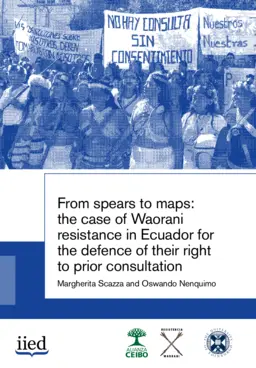
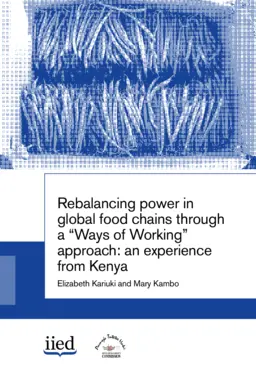


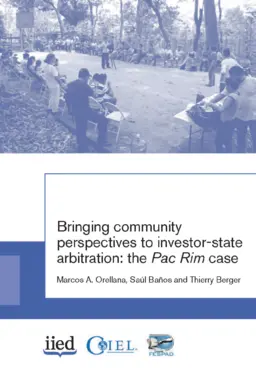
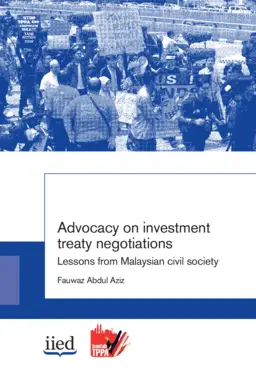


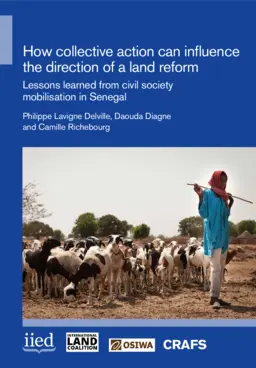
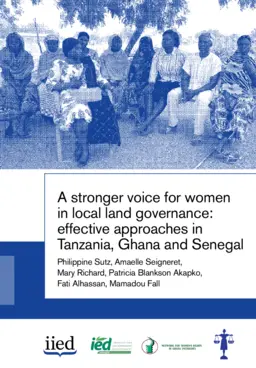
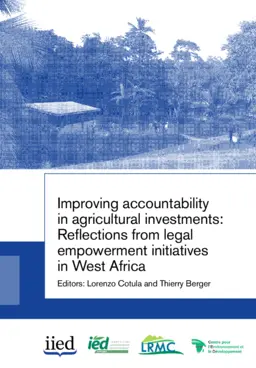

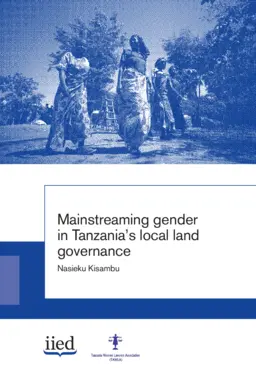


The reports listed above have been authored by one or more of the following organisations:
- Kenya Human Rights Commission (KHRC)
- Innovation Environnement Développement en Afrique (IED Afrique)
- Grassroot Sisterhood Foundation (GSF)
- Network of Women’s Rights in Ghana (NETRIGHT)
- Association des juristes sénégalaises (AJS) (French language site)
- Tanzania Women Lawyers Association (TAWLA)
- Center for Environmental Research and Advocacy/Centro Terra Viva
- Forest Peoples Programme (FPP)
- Center for International Environmental Law (CIEL)
- Fundación de Estudios para la Aplicación del Derecho (FESPAD) (Spanish language site)
- Civic Response on Environment and Development (CRED)
- Majlis Tindakan Ekonomi Melayu (MTEM), (Malay language site)
- Initiative Prospective Agricole et Rurale (IPAR)
- Environment Law and Development Foundation (ELDF)
- Sustainable Development Institute (SDI)
- Namati
- Groupe d’étude et de recherche en sociologie et droit appliqué (GERSDA)
- The Indonesian Peasant Union (SPI, Serikat Petani Indonesia) (Indonesian language site)
- Centre pour l’environnement et le développement (CED) in Cameroon (French language site)
- The Legal Rights and Natural Resources Center/Kasama sa Kalikasan/Friends of the Earth-Philippines (LRC-KsK/FoE-Philippines)
- The Institute for Research and Promotion of Alternatives in Development in Africa (IRPAD)
Additional resources
Blog: Legal empowerment as action research, Lorenzo Cotula (January 2022)
Blog: COVID-19 and the sites of rights resilience, Lorenzo Cotula, Elaine Webster (May 2020)
Between hope and critique: human rights, social justice and re-imagining international law from the bottom up, Lorenzo Cotula (2020), Georgia Journal of International and Comparative Law
Contact
To more information, email [email protected]