Case study
Peru: campaigning for legal rights for Mother Nature
12 February 2026
A series of case studies from sub-Saharan Africa and Latin America explore how climate change, economic pressures and gender inequalities intersect to undermine women's access to land and natural resources. They highlight how Indigenous, pastoralist and Afro-descendant women are responding by transforming land governance, challenging extractive economic models and building the foundations for gender-just futures rooted in rights, traditional knowledge and territory
A series of insights from 2021 identified principles that could improve women’s access to and control over land in the global South.
The insights collected lessons from six years of IIED’s work on gender and land issues.
The gender-climate-environment nexus highlights the complex links between gender inequalities and the impacts of climate and environmental change.
IIED's dedicated hub, also containing essential resources from partners, explores how these interconnected challenges affect communities globally and highlights the importance of gender equality for effective climate-environment solutions.
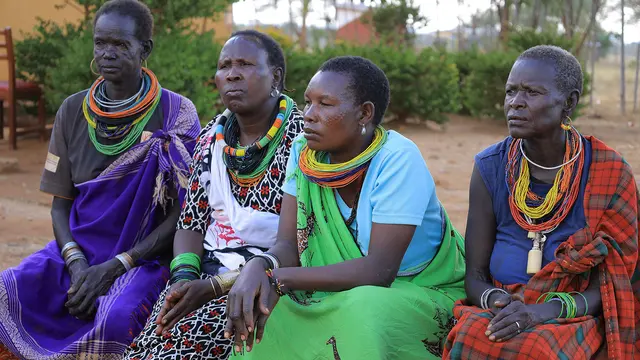
This series of case studies examines how intertwined pressures from economic development, climate change and patriarchal gender norms are reshaping land and natural resources governance for Indigenous, pastoralist and Afro-descendant women across Africa and Latin America.
The case studies were selected in collaboration with the Rights and Resources Initiative and the International Land Coalition Africa.
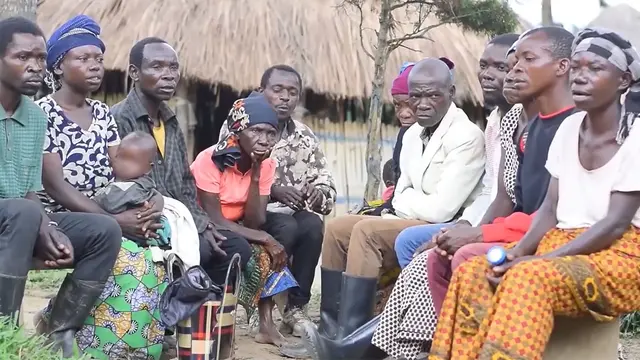
They were developed collaboratively with in-country partners who work closely with the affected communities. In each country, the partners facilitated workshops and focus group discussions with women, men and community elders to document how these pressures are eroding women’s land and resource rights, undermining customary governance systems and threatening livelihoods, wellbeing and cultural identity.
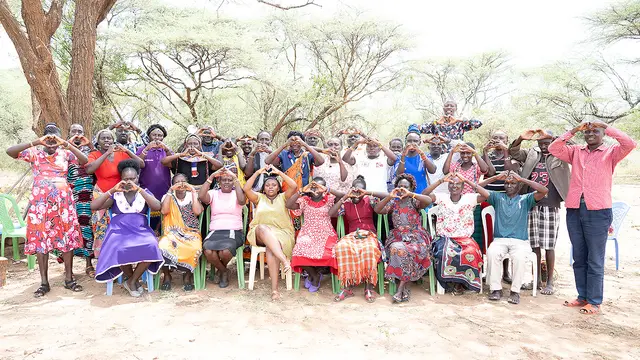
The case studies also highlight how women are responding to these challenges, including by working with community groups to take legal action, challenging social norms, implementing fairer community governance mechanisms, and mobilising at local, national and international levels to defend their rights and livelihoods.
This series is part of work to promote a gender-just economy through stronger rights to land and natural resources for women.
The in-country partners include GROOTS Kenya (Kenya); UCOBAC (Uganda); PWC (Tanzania); UEFA (Democratic Republic of Congo); ASOM (Colombia); and ONAMIAP (Peru).