CBA19: Move from words to equitable action on locally led adaptation
As 400 members of the global community of practitioners, researchers and activists on locally led adaptation gathered for the 19th International Conference on Community-based Adaptation, so did the storm clouds – figurative and literal.



Conference participants discussing locally led adaptation approaches (Photo: Anne Schulthess, IIED)
The landscape of global climate and development finance is undergoing a significant transformation. Traditional donors are reducing allocations or reneging on commitments, failing to deliver on promises to double adaptation finance. Funding remains predominantly focused on large-scale, top-down investments at the expense of local resilience building.
The 19th International Conference on Community-based Adaptation (CBA) was held for the first time in Latin America, in Recife, Brazil, amid these ongoing global challenges. This year’s conference theme was achieving just and equitable adaptation. This theme felt appropriate as participants debated ways to progress the locally led adaptation (LLA) agenda in the face of strong headwinds.
An annual event, the CBA conferences enable practitioners, policymakers and donors to share the latest advancements in LLA, strengthen networks and build capacities to address the growing impacts of climate change.
The more things change… the more things we need to change
At the first CBA conference in 2005, 80 participants gathered to highlight the impact of climate change on the most vulnerable communities and the threat it posed to sustainable development, as well as to recognise the limitations of top-down assistance in reaching those most in need.
At that event, the late Dr Saleemul Huq told participants that CBA approaches were gaining traction but that an international community must be forged to release a tidal wave of action locally. Twenty years later, much has changed, but many of the challenges highlighted at CBA19 remain, and several seem entrenched.
We have, however, seen significant progress in building Dr Huq’s vision of an international community around locally led adaptation. The 140-plus endorsers of the principles for locally led adaptation, the 400 participants at CBA19 and the long waiting list of people wanting to attend are testament to that.
It is not just the numbers of participants at CBA conferences that are growing, the type of people attending is changing, too. CBA19 saw incredible growth in new participants, with 85% attending for the first time.
The event was also truly international, bringing together people of 78 nationalities, who are living and working in 63 countries. CBA19 also saw growth in participation from Latin American actors while maintaining its global reach. More than half of the participants came from organisations working directly at the local level. Ten per cent of participants came from the host state, Pernambuco.
Varied and innovative session formats encouraged lively exchanges across three thematic areas: LLA in action, urban adaptation and nature adaptation. Participants also weathered a literal storm. When two weeks’ worth of rainfall in 12 hours brought the city of Recife to a near standstill, the conference was delayed to ensure the safety of participants and support staff.
Returning for a modified agenda half a day later, participants showed resilience and adaptability in the face of climate challenges, particularly Recife-based participants, who split their time between running sessions and supporting their communities to manage flood damage.
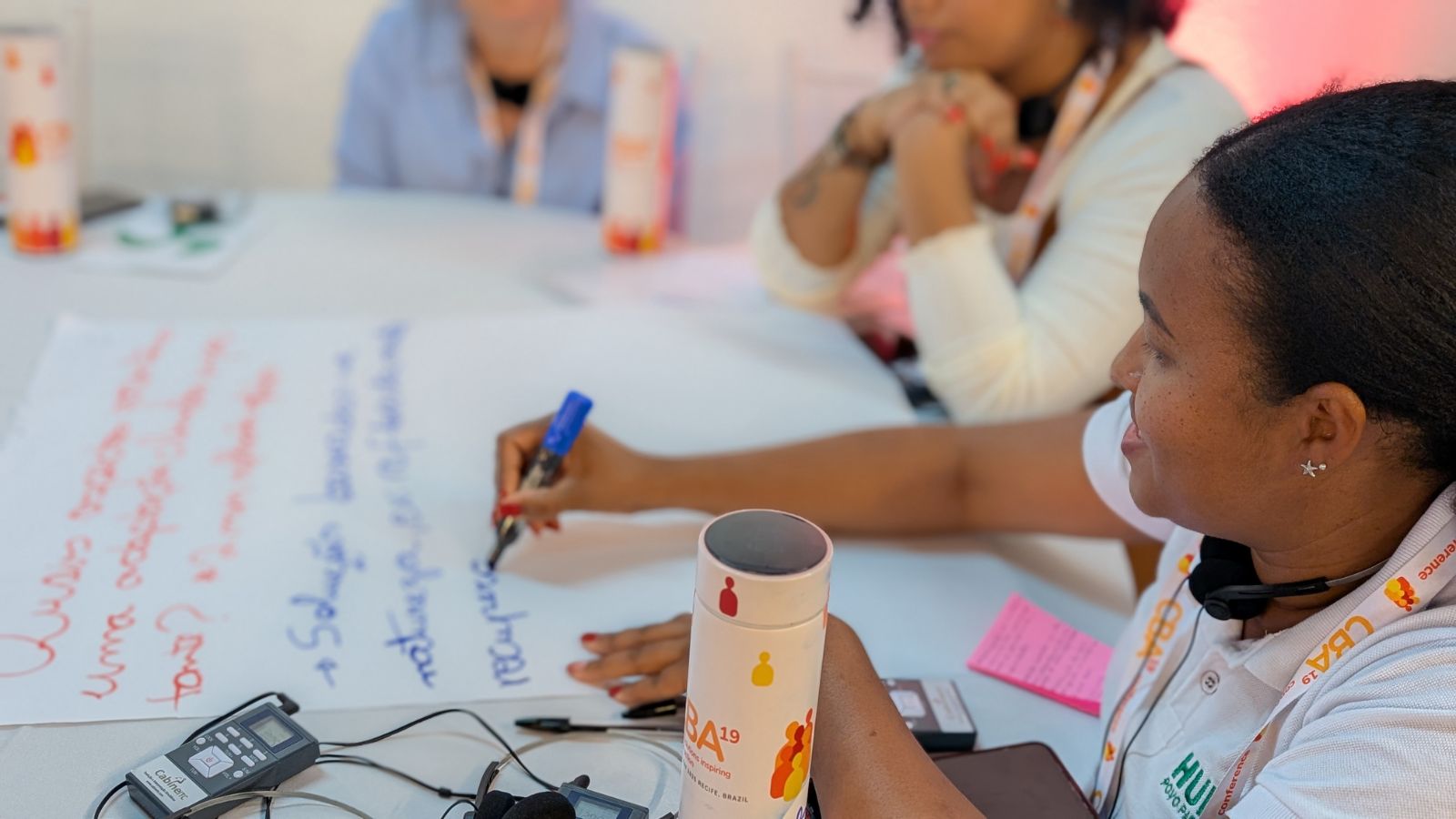

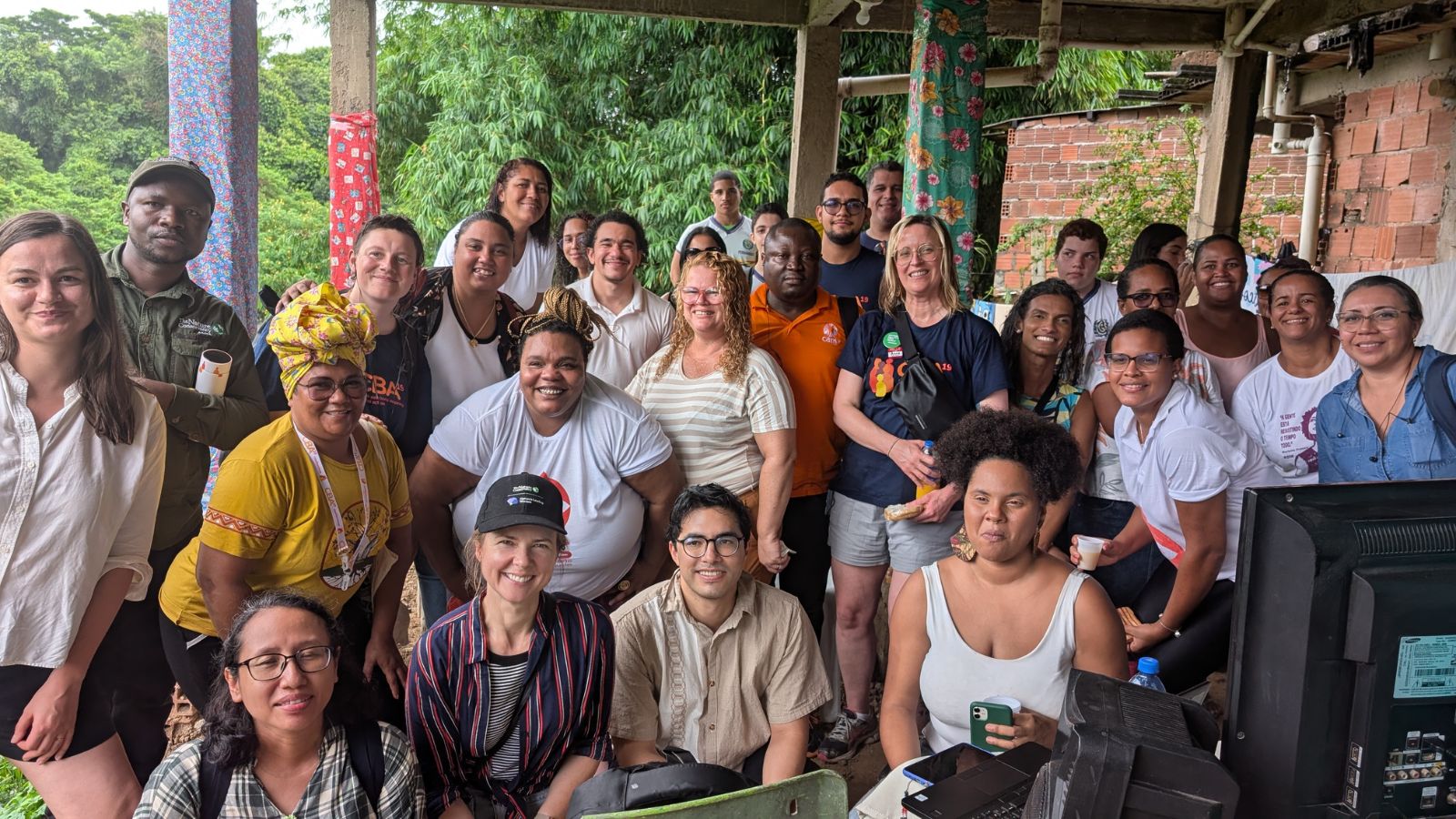
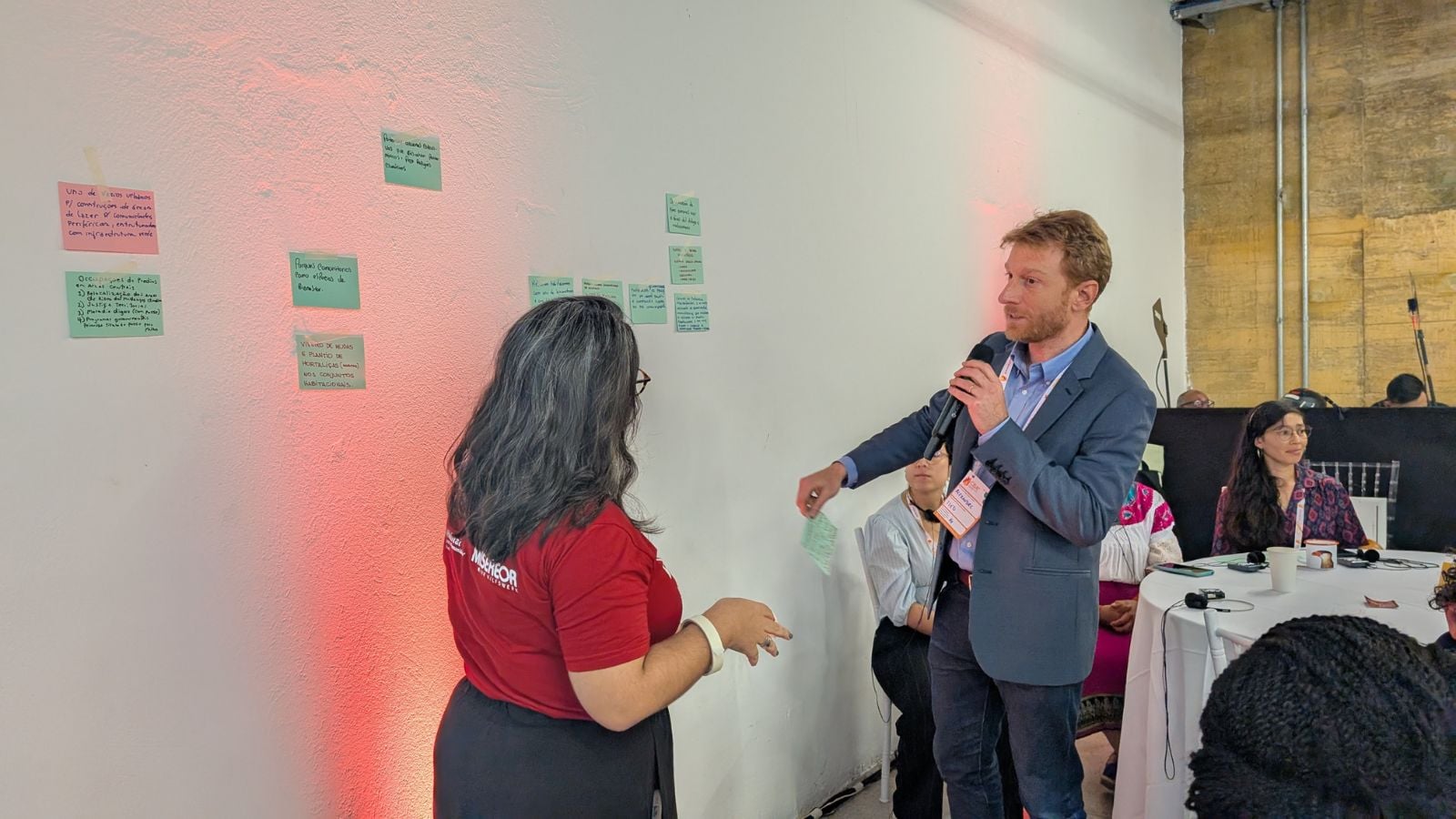
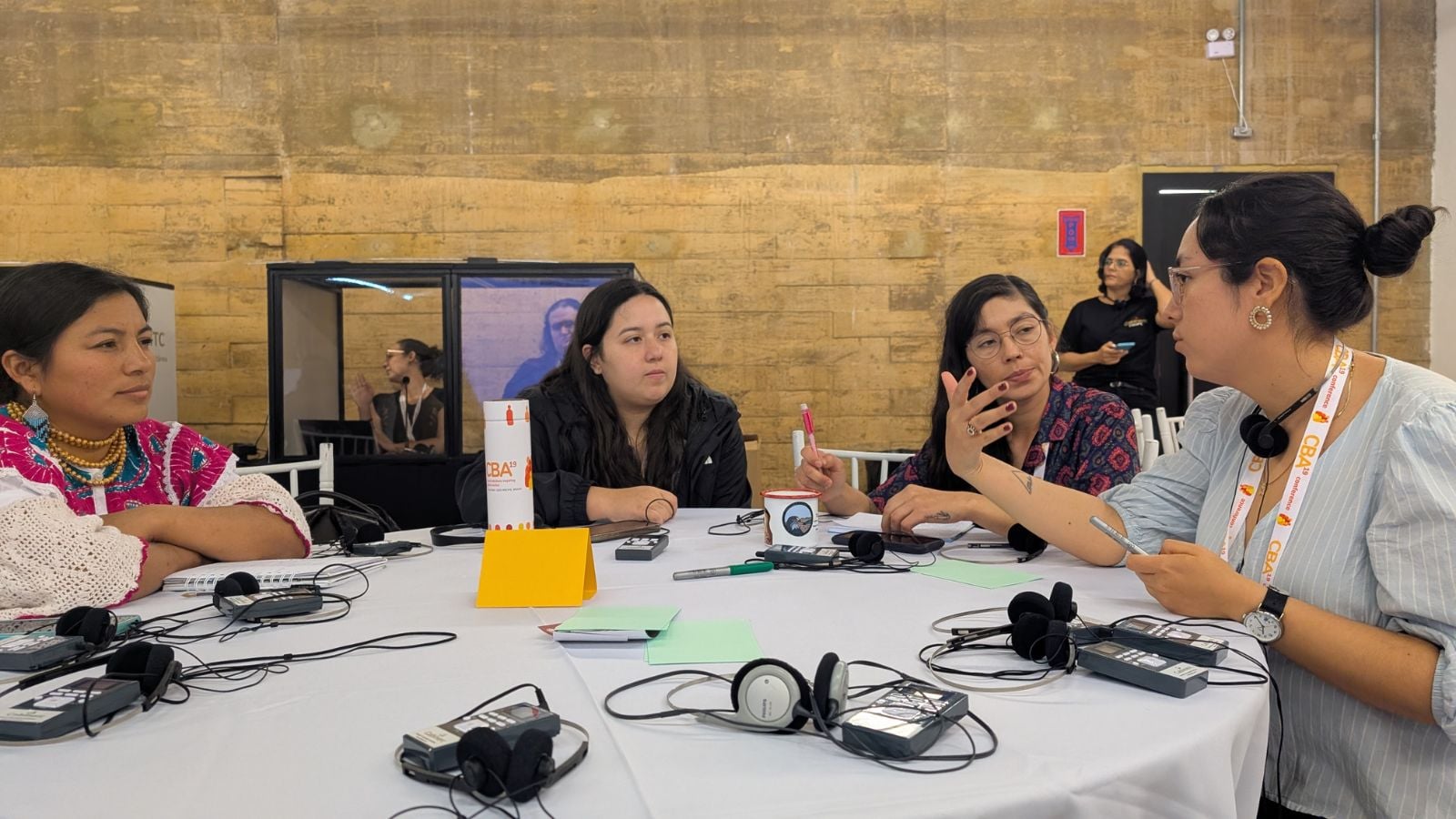
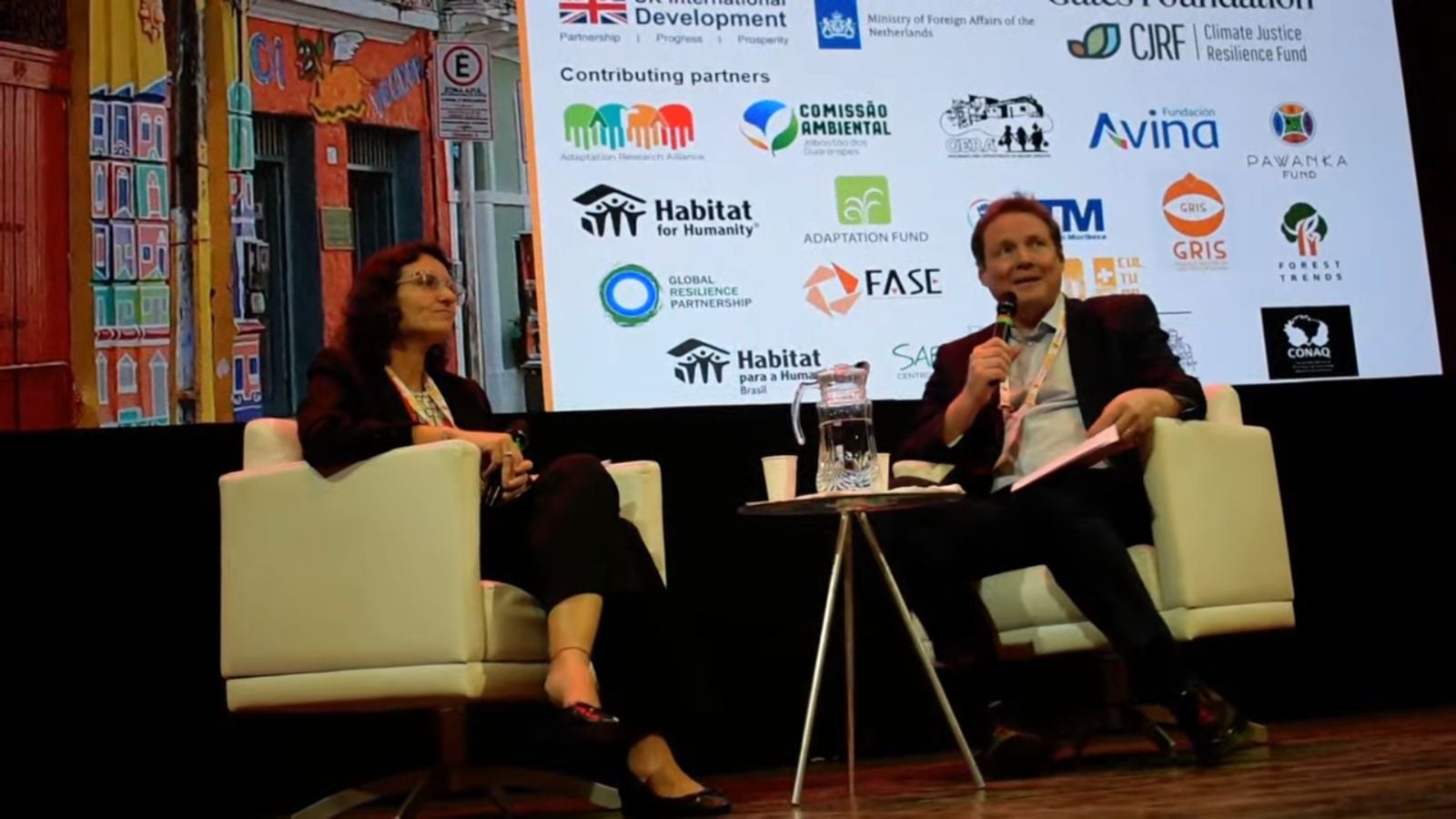
A photo gallery from CBA19, including participants discussing and reflecting on ideas, field visits and a plenary discussion with Alice de Moraes Amorim Vogas, programme director, COP30 presidency. Click on the images to enlarge them and then scroll through. For more reflections, check out the CBA19 updates page!
Key messages – frustration and hope
The global context of shifting priorities and narrowing focus – and the local context of extreme weather impacts and community resilience – helped sharpen participants’ focus on the key messages the conference should communicate.
Participants debated the key messages at the final plenary. These messages have been collated in the Recife Statement from the 19th International Conference on Community-based Adaptation (en español | em português).
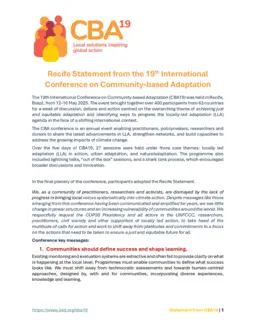
The messages cover a range of key issues and challenges facing locally led adaptation approaches, including democratising definitions of success, the need to integrate culture effectively into nature-based solutions, the importance of re-conceptualising perceptions of risk, the necessity of integrating diverse knowledge systems within climate action, and the benefits derived from taking intersectional approaches to adaptation and resilience.
The Recife statement includes the following call to action, summing up the feeling that, in a context of rapid climate degradation that is putting increasing numbers of people in harm’s way, decision-makers remain lackadaisical, and flows of funding and resources remain woefully inadequate:
We, as a community of practitioners, researchers and activists, are dismayed by the lack of progress in bringing local voices systematically into climate action. Despite messages like those emerging from this conference having been communicated and amplified for years, we see little change in power structures and increasing vulnerability of communities around the world.
We respectfully request the COP30 Presidency and all actors in the UNFCCC to take heed of the multitude of calls for action and work to shift away from platitudes and commitments to a focus on the actions that need to be taken to ensure a just and equitable future for all.
Recife statement
CBA19 was co-hosted by IIED and the state government of Pernambuco and supported by Fundación Avina, Habitat for Humanity, Forest Trends, Pawanka Fund, Habitat para a Humanidade Brasil, Centro Sabia, Adaptation Research Alliance, Adaptation Fund, Comissao Ambiental Jaboatao dos Guararapes, Conaq, Fase, Global Resilience Partnership, Gris Espaço Solidário, Ibura mas Cultura, Observatorio Popular de Injusticas Climaticas, Rede Gera,and Somos Todos Muribeca, with funding from Climate Justice Resilience Fund, Gates Foundation, Hewlett Foundation, Ministry of Foreign Affairs of the Netherlands, Quadrature Climate Foundation, and with UK International Development from the UK government.