Building heat resilience in informal settlements: community-led data collection
IIED and partners are piloting participatory heat data collection in informal settlements to fill evidence gaps and strengthen climate resilience in sub-Saharan African cities.

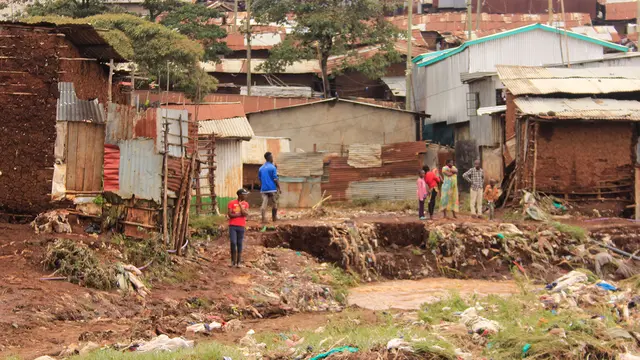
Kombo Settlement in Dar es Salaam (Photo: Centre for Community Initiatives, Tanzania)
Heatwaves are intensifying with climate change, disproportionately affecting the most vulnerable urban communities. Informal settlements, home to the majority of residents in many cities, remain invisible in climate risk assessments due to their exclusion from official statistics and policy planning.
Vulnerabilities are exacerbated by poor urban planning, such as dense construction, lack of vegetation, the use of building materials that offer little protection from heat and limited access to electricity. Despite increased awareness of heat risks, there is a critical lack of granular data on heat exposure and the lived experiences of those in informal settlements.
What is IIED doing?
IIED is working with Slum Dwellers International (SDI) and grassroots groups in sub-Saharan Africa to close this data gap. The project aims to inform early warning systems, innovations in the built and natural environment and improved heat action planning while sharing lessons from the local to global scales.
This approach is helping to build the global evidence base for inclusive, data-driven adaptation that works for the most exposed and most vulnerable.
Together with partners, the project will:
- Generate neighbourhood-level, community-owned heat data in informal settlements. This will improve data coverage on heat exposure to more fully reflect conditions in different parts of cities. Through the co-production of data and inclusion of local knowledge, it aims to inform urban climate adaptation. The project also aims to improve understanding of the diverse needs of people at risk, including a focus on gender, people with disabilities and livelihoods that are particularly vulnerable to rising heat levels.
- Strengthen the capacity of local residents, federations, and authorities to interpret and act to reduce heat risks.
- Inform inclusive heat-responsive policies and planning through engagement with governments, funders, and meteorological agencies.
- Lay the foundation for longer-term investment and heat action planning in cities in sub-Saharan Africa, and elevate informal settlements in global heat-resilience debates.
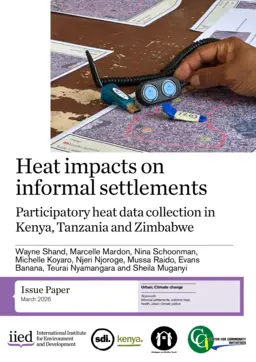
In 2025, the project is piloting a participatory heat data methodology in Dar es Salaam (Tanzania), Nairobi (Kenya) and Kariba (Zimbabwe).
This community-led data collection generates household-level climate data on heat exposure in informal dwellings, alongside insights on the experience and coping strategies of residents of informal settlements. These are critical to identify the risks of extreme heat and to targeting interventions.
News and updates

Publications
Additional resources
News: Extreme heat hurts work, health and sleep in Africa slums, report says, The Japan Times (March 2026)
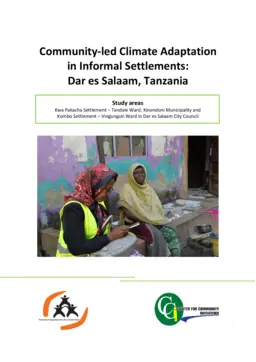
Community-led climate adaptation in informal settlements, Wayne Shand, Tim Ndezi (2025), World Bank report
Blog: Climate adaptation in informal settlements: why community-led approaches matter, Swati Sachdeva, Wayne Shand, Tim Ndezi, Mussa Raido (April 2025), World Bank