Visions of territory: whose reality counts? The Dayak peoples’ struggle to save their 'life world' in Central Kalimantan, Indonesia
Indigenous-led territorial governance and the recognition of Indigenous rights is widely understood as being vital to achieving the goals of the Paris Agreement and the Convention on Biological Diversity. Yet current conservation models such as protected areas and state-led spatial planning still mainly exclude Indigenous Peoples from the territories they live in and with which they coexist.
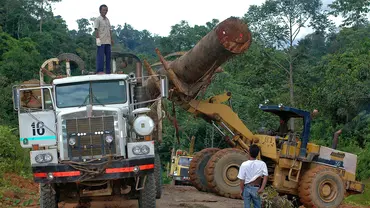
In Katingan Hulu in Central Kalimantan province, Indonesia, countless generations of Indigenous Dayak peoples have developed a ‘life world’ cosmology based on their synergistic relationship with nature, including holistic conservation practices. However, the value of these practices is still poorly understood. Environmental degradation, forest loss and Indigenous marginalisation have been driven by large-scale commercial investments and incoherent land-use policies and spatial planning.
This report by the Alliance of Indigenous Peoples of the Archipelago of Central Kalimantan Province (AMAN Kalteng) explores the impacts caused by the lack of alignment between Indigenous cosmology (‘informal’ conservation) and government policy trends (mainstream conservation and market-based large-scale investments).
AMAN Kalteng demonstrates how current approaches to spatial planning and government policies do not sufficiently recognise Indigenous Peoples’ relationship with the territories they live in and with which they coexist. Current practices do not enable the strengthening of these relationships and as a consequence threaten both the people and the ecosystems they claim to defend.
Cite this publication
Available at https://www.iied.org/22607iied