Key points
- A rapidly developing, very strong El Niño is pushing global temperatures to record highs and is predicted to make 2027 the hottest year on record
- Extreme heat threatens health and livelihoods, causing billions of dollars in lost wages and productivity, and damaging infrastructure
- Poorer communities and women face the worst impacts, suffering from dangerous indoor heat, health risks and limited ability to escape high temperatures
What is El Niño?
El Niño is a climate phenomenon that occurs when surface waters in the central and eastern tropical Pacific Ocean become unusually warm.
During an El Niño event, winds that would normally push warm surface water towards the western Pacific weaken. This allows warmer water to move eastwards, causing changes in weather patterns that can unleash floods, droughts, heatwaves and storms across the globe.
El Niño typically occurs every two to seven years and can last for several months. Its counterpart, La Niña, involves unusually cool waters in the central and eastern tropical Pacific which cause heavy rains and severe flooding.
What’s different in 2026?
According to the World Meteorological Organization, El Niño developed rapidly during 2026 and there is an estimated 90% probability that El Niño conditions would occur from September to December. This means we face the warmest average temperatures ever for the last quarter of 2026.
This year, we have already seen “El Niño… being supersized before our eyes” as UN Secretary-General António Guterres put it. In July and August, water temperatures in the Pacific rose by more than 8°C above normal, and this heat extends well below the surface.
Experts predict the current event will make 2027 the hottest year on record.

Workers in a brick kiln carefully line up sun-dried bricks under the hot sun in Bangladesh, where extreme heat, fuelled by El Niño, threatens outdoor workers’ health and livelihood (Photo: Sohelchy07, via Wikimedia Commons, CC BY 4.0)
How will El Niño affect me?
People’s ability to cope with extreme heat depends on where they live, how they work and the resources available to them.
People work less effectively in heat, and soaring temperatures cause significant economic damage: the UK's capital city London is losing around US$787m a year due to impacts on health and productivity.
Heat extremes can also damage infrastructure such as train tracks.
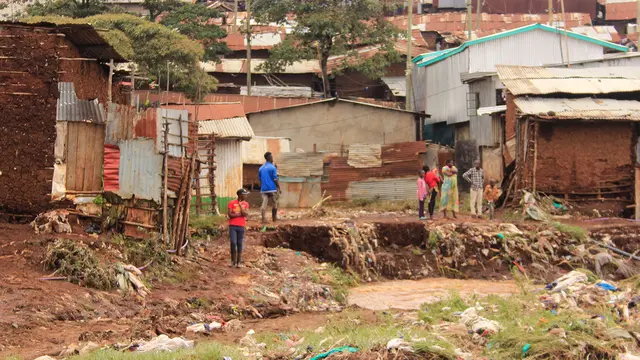
While heat exposure affects populations around the world, IIED research shows it’s the poorest people who are least able to cope. In India, informal workers lose wages amounting to roughly 2% of GDP per year. Bricklayers and garment makers are among those who report their homes remain dangerously hot throughout the night, offering no respite.
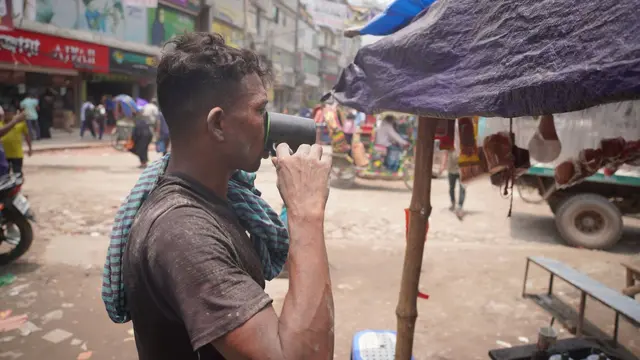
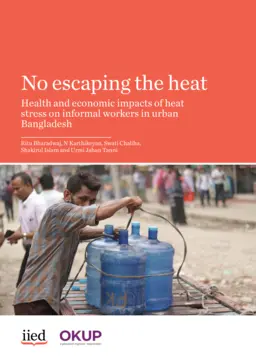
In Bangladesh, extreme heat causes around $4.1 billion in lost wages each year. Heat stress also led to psychological stress and kidney injuries.
Urban areas, in particular, are getting hotter. IIED’s Hidden Handbrakes campaign revealed the world’s major cities are now seeing a quarter more very hot days (over 35°C) each year, compared with the 1990s.
Does heat affect women differently?
Extreme heat magnifies existing gender inequalities. This is exacerbated for women living in informal settlements.
IIED's research shows high indoor temperatures can be a real problem in places where women work mostly from home.
In places where women are in charge of traditionally gendered responsibilities, such as water collection, cooking and caregiving, their ability to relocate during hot periods is limited. This can affect their health and earning capacity.
Pregnant women, young children and older people are particularly at risk from extreme heat. Prolonged exposure to high heat also affects menstrual cycles due to poor housing and limited water, sanitation and privacy.
Sources
What is El Niño? And why does it matter in a warming world?, UNU-EHS
You asked: What exactly Is a ‘Super’ El Niño?, Columbia Climate School
Strong El Niño expected to intensify, World Meteorological Organization