Rights and housing justice for urban small-scale fishing communities
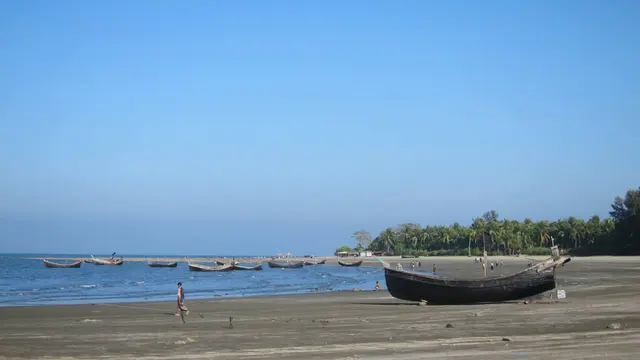
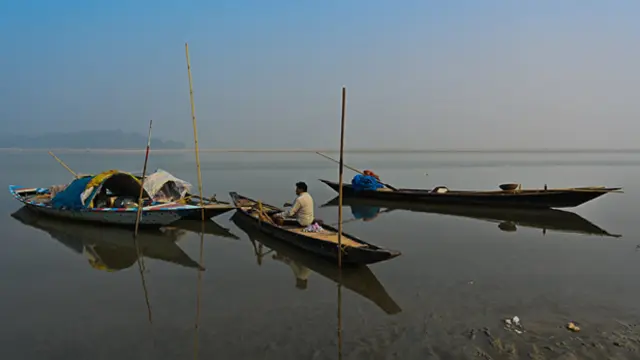
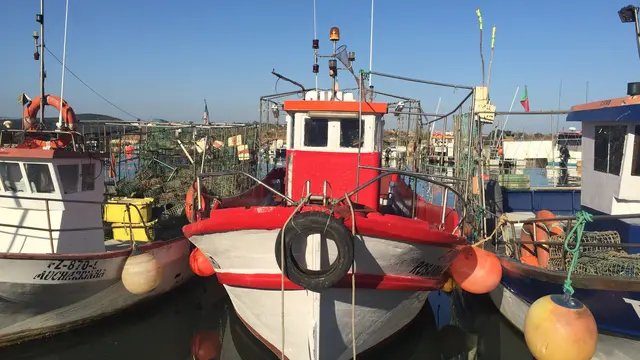
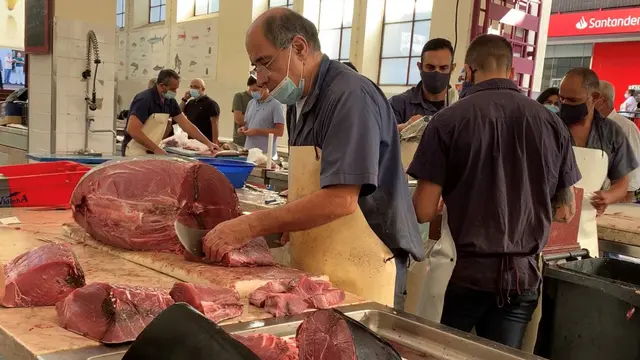
Small-scale fishing communities have long occupied coastal cities and been integral to urban food security, cultural heritage and coastal resource management. Yet they are often invisible in city planning and governance. IIED and partners are co-developing a programme of work on the rights of small-scale fishing communities within cities, including through a housing justice lens.

Residents of Tarkwa Bay and Okun Ayo, small-scale fishing communities in Lagos, being forcibly evicted from their homes by the Nigerian Navy in January 2020 (Photo: Omoregie Osakpolor/Justice & Empowerment Initiative, via Flickr, CC BY 4.0)
Small-scale fishing communities play a critical role in the workings of coastal cities. They contribute to food security and nutrition, help drive the local economy and safeguard cultural heritage.
Urban fishing communities are also best placed to manage fish stocks and protect coastal ecosystems.
Yet urban fishers are often not seen as belonging to cities, slipping under the radar of city governments: their ‘right to the city’ is not recognised.
As such, these fishing communities are excluded from urban planning and governance processes that determine their access to basic services, including clean water, energy and sanitation.
These services also support vital fishing infrastructure: clean water is needed for processing fish; energy is needed to refrigerate catches. Fishers also need safe access to land, for example for shoring and parking boats, or as a place to dry and smoke fish.
Housing: a foundational right
Adequate housing is among the most fundamental of human rights. It also goes hand-in-hand with being recognised as belonging to the city - which in turn supports access to other rights such as health and education.
Secure housing is also an enabler for a more democratic environment where small-scale fishers are included in governance processes and can voice their needs in terms of fishing infrastructure.
Small-scale fishers in urban areas often live in inadequate housing in informal settlements, leaving them vulnerable to forced evictions, the threat of which is rising in the face of the climate crisis.
Added to the threat of eviction is mounting pressure on coastal land, driven by increasing demand for luxury waterfront living, tourism and redevelopment projects such as coastal roads.
Intense speculation of coastal land, coupled with a lack of secure housing and fishing infrastructure, further undermines the ability of small-scale fishers to live with dignity and steward the marine environments on which they depend.
What is IIED doing?
IIED, the Sierra Leone Urban Research Centre, Justice & Empowerment Initiatives, Instituto Equicidades and the Federal University of Bahia are developing a programme to strengthen the rights, resilience and recognition of fishing communities across three coastal cities: Lagos, Salvador and Freetown.
This programme brings together IIED and partners’ longstanding experience working on housing justice, aquatic food systems and environmental stewardship.
The programme will focus on generating evidence on the challenges faced by urban fishing communities as well as how the right to adequate housing affects the capabilities of small-scale fishing communities to sustain their livelihoods and thrive in cities.
It will include enhancing the capabilities and mobilisation of community groups alongside increasing awareness among policymakers, donors and practitioners of the importance of addressing the challenges faced by urban fishing communities.
The programme will also create more enabling spaces for exchange and collaboration among housing, fisheries, nature and climate actors through exchanges within and across cities, as well as targeted convenings at key global forums.
Partner with us
We are keen to collaborate with donors and others interested in advancing the rights of small-scale fishing communities in cities. Please don’t hesitate to contact us if you have any questions or would like to get in touch.
Additional resources
Event: IIED at the 5th World Small-Scale Fisheries Congress (April 2026)
Article: Introduction to housing justice
Insight: Reflections on UNOC3 and strengthening coastal stewardship, Annabelle Bladon (June 2025)