Extreme heat disrupting work and sleep for residents of African informal settlements
Families also spending a huge chunk of their income on cooling.
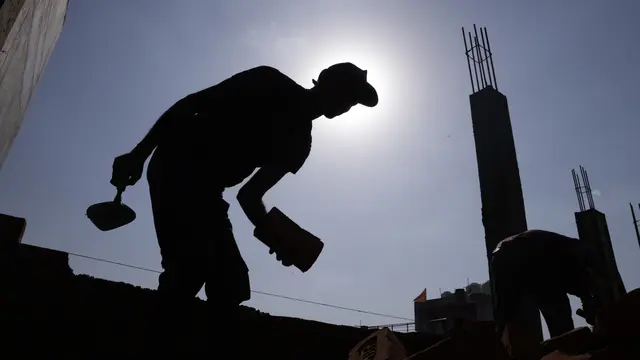
A quarter of people in three African neighbourhoods have been forced to take time off work due to heat stress, new research by IIED and Slum Dwellers International reveals.
Researchers surveyed more than 1,000 people in three places about their experiences of extreme heat in their homes during the most recent hot season: Mathare neighbourhood in Nairobi, Kenya; Kombo in Dar es Salaam, Tanzania; and Kariba, a large town in Zimbabwe.
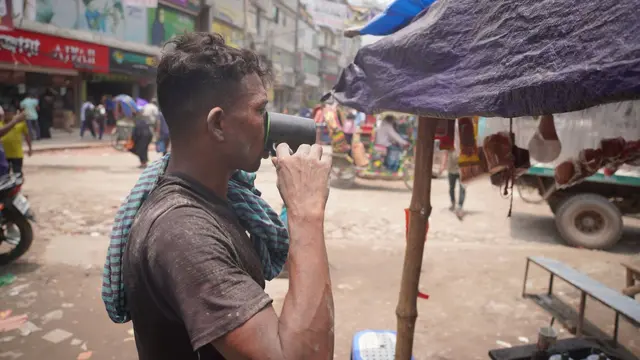
Twenty-five per cent said they’d been unable to work due to hot weather, while 40% said they’d been prevented from sleeping properly. Overall more than two-thirds of people (70%) said they had suffered health problems linked to heat – unsurprising when indoor temperatures topped a brutal 40°C in some homes.
Across all three locations, more than a third of families said they were spending extra to cope with soaring temperatures, with the outlay estimated at a sixth of their monthly income.
Key points
- In Mathare, 18% of people said extreme heat had resulted in loss of work and earnings; in Kombo the figure was 17%; and in Kariba, 39%
- Forty per cent of respondents suffered sleep disruption and 34% said extreme heat caused them worry or stress
- Women appeared particularly at risk from extreme heat in the surveyed locations because they tended to spend more time cooking, caring for others or performing other work at home. Heat can also affect women’s menstrual cycles, interviewees told IIED
- Heat stress or exhaustion (experienced by 20% of people), skin rashes (29%) and dizziness (16%) were among the common health complaints during hot spells
- The vast majority of people said that on hot days their homes were either uncomfortable (Mathare 61%; Kombo 49%; Kariba 41%) or very uncomfortable (Mathare 18%; Kombo 34%; Kariba 47%). Many respondents said high heat and humidity lasted into the night
- People’s ability to access and use official information about high heat days appeared patchy, with 77% of Kombo residents saying they could do so. In Kariba the figure was 55% but in Mathare it was just 18%. Text alerts, local radio or TV, and word of mouth were the most common sources
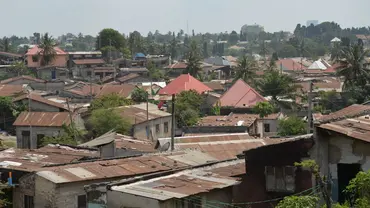
Homes in these areas are often one- or two-room dwellings, lacking tree shade and built with poor quality materials in unplanned neighbourhoods. Corrugated metal roofs without internal ceilings are common.
These attributes combine with the urban heat island effect to produce stifling temperatures. Yet many families’ incomes depend on work performed at home, like cooking food for sale or hairdressing.
Previous IIED research has shown how improving conditions in informal settlements can boost an entire country’s GDP, underlining the importance and benefits of adapting cities to extreme heat. Globally, about a third of urban residents live in slums or informal settlements.
IIED principal researcher Anna Walnycki said: “Upgrading homes so they’re fit for the climate change era should be a no-brainer for governments. It can boost both their economies and their citizens’ quality of life.
“Heatwaves and other extreme weather can derail productivity, disrupt children’s schooling and cause health problems. Money families have to spend on coping with soaring temperatures is money they can’t spend on food or other vital expenses.
“This is true in wealthy nations and lower-income ones. Wherever you look, people with the fewest resources are bearing the brunt of the climate crisis.
“But with the right support, communities can lead the implementation of fairly simple changes that have a big impact.”
Notes to editors
- IIED and SDI can facilitate interviews with people affected by the issues discussed in this survey. For more information, contact [email protected]
- Learn how the world’s major cities are seeing more very hot days
- Read about Barrio 20, a neighbourhood in Buenos Aires, where the community is taking charge of climate change adaptation
For more information or to request an interview, contact Jon Sharman:
+44 7407 727 886, or [email protected]