Anger issues and infrastructure in Karachi: why are we all so angry?
Anger, and the mental health issues that underpin it, are thrown into sharp relief in a global megacity like Karachi, where the stresses of daily life can trigger serious outbursts and cause underlying frustration for all ages.


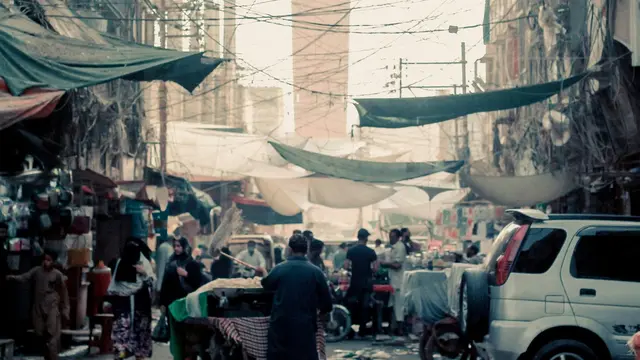
Constant traffic congestion in Karachi is a regular source of anger for residents (Photo: Tahamie Farooqui via Unsplash)
We are an angry people, constantly venting our frustration on one another. Most of the time, this anger is directed at someone less powerful than us. But the real question is: where does this anger come from? And why does it dominate our lives like this?
One of the major factors lies in mental health and the insufficient, inadequate and inefficient infrastructure that affects our daily lives. These structural shortcomings increase frustration, leading to a wide range of socioeconomic issues.
Shortages and outages as trigger points
Take the water supply in Karachi. In many neighbourhoods, residents must stay awake at midnight to turn on the motor during the short and unreliable water supply hours. This means they lose sleep, suffer from exhaustion the next day, and often end up venting that frustration on family members, friends or even strangers. Sleep deprivation, when prolonged, has been scientifically linked to poor mental health, reduced productivity and increased irritability.
Similarly, frequent power outages – occurring three to four times a day in many areas, each lasting one to one-and-a-half hours – force people to reschedule work, household chores and even meals. This further adds to daily stress and emotional burnout.
Then comes the issue of gas shortages. In cities like Karachi, gas supply is often cut off after 9pm. Families must prepare dinner early or buy food from outside, which is unaffordable for many due to rising inflation. Such situations often lead to household tensions and arguments.
In many cases, men take out their frustration on women, resulting in emotional abuse or even physical violence. A seemingly small question like: "why is there too little salt in this food?" can escalate into something harmful, because the stress behind it is deep and real.
Anger affecting all ages
Another daily source of anger on Karachi’s roads is unsafe and poorly maintained infrastructure. Accidents on damaged roads, such as on the dangerous Natha Khan Bridge, have become a regular occurrence. These accidents not only cause traffic jams and frustrations but also generate a constant undercurrent of anxiety about safety during the commute.
Let’s not forget the impact on our children. They too suffer under the weight of broken systems. In private schools, we see increasing classism and favouritism. Students are often humiliated by teachers, which takes a serious toll on their self-esteem and mental health, giving rise to anger issues that go unaddressed.
And a failure to provide basic facilities – no proper washrooms, no clean drinking water – has obvious knock-on effects. In such an environment, how can we expect children to focus, excel academically or lead confident, healthy lives?
Worse still, when children express these problems, they are often dismissed with comments like "we are giving you everything, now don’t make excuses," or "this is just drama to avoid studying." Adults, from baby boomers to millennials, are themselves dealing with stress and exhaustion, which can limit the time and emotional capacity they have to listen to mental health concerns. This further isolates children and deepens their emotional struggles.
A cry for help – admitting there’s a problem
All of these daily stressors – big and small – accumulate and turn us into an angry, bitter and sometimes violent society. But very few are willing to acknowledge this anger, and even fewer recognise the urgent need to treat it.
In our society, mental health or anger issues are not considered ‘real problems’ unless someone ends up harming themselves, or someone else.
It’s time to admit that urban life, especially in megacities like Karachi, is taking a heavy toll on our emotional wellbeing. And yet, even for those who recognise the need for help and are willing to seek therapy, the path is not easy.
In Karachi, therapy is prohibitively expensive for average-income households with consultation fees – including for online sessions – largely unaffordable. Moreover, social stigma around mental health services shames people and often shatters their confidence before they even begin to heal.
And let’s be honest, even if someone manages to afford it, finding a compassionate, ethical therapist can be another challenge, and there are doctors and mental health professionals who treat patients as profit-making opportunities rather than fellow human beings in need of support.
We must stop ignoring these systemic failures. If we want to create a more compassionate, just and mentally healthy society, we need to invest in basic infrastructure, raise awareness about mental health, and make therapy both affordable and respectable.
Only then can we hope to break this cycle of anger that grips us all.
About the author