Slum clearances ‘to protect from climate change’ are major source of CO2, study finds
Upgrading informal settlements instead can save two-thirds of emissions.
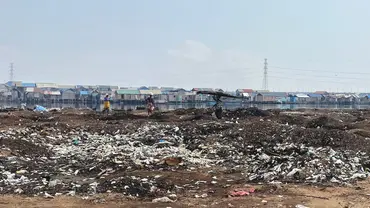
Slum clearances and forced evictions in Nigerian cities have generated more than 2 million tonnes of CO2 emissions (MtCO2e) over the last 25 years, a new study by IIED estimates.
Authorities may have evicted some 5 million people in that time, the research suggests, generating some 2.46 MtCO2e – equal to 1% of the country’s target for emissions reductions over the next 10 years.
In Nigeria and elsewhere around the world, protecting people from climate change and associated hazards like floods has been presented as a justification for dismantling slums.
But the people evicted suffer increased risk overall and, often, the same land is subsequently used for private residential or infrastructure development.
The study comes as housing ministers from at least 40 countries are set to meet in Nairobi for talks on the UN’s 'Adequate Housing For All' resolution. UN Habitat is also marking Urban October, which it calls a “conversation about the challenges and opportunities created by the fast rate of change in our cities”.
Key points
- It would take a forest the size of Paris 11 years to absorb 2.46 MtCO2e – the estimated emissions generated by bulldozing informal settlements across Nigeria between 2000 and 2025
- Upgrading and retrofitting homes can save up to 66% of carbon emissions compared to knocking them down and moving residents to new locations
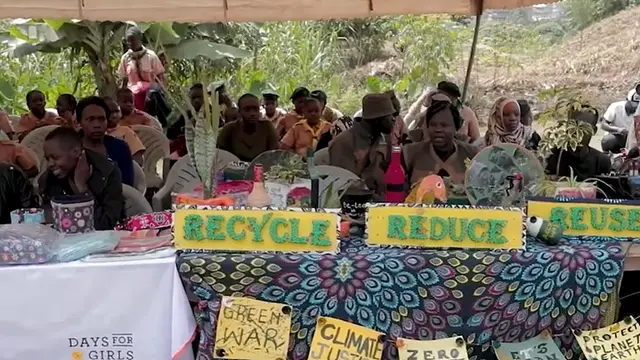
- In video contributions to the research, civil society groups in Brazil, Chile, Indonesia, Kenya and Nigeria explain how forced evictions and climate change affect community wellbeing
- The study collects a large body of evidence showing forced evictions make people more vulnerable overall and hinder their ability to adapt to climate change – even in cases where climate change is the rationale given for evicting them.

Camila Cociña, an IIED senior researcher, said: “Forcibly evicting people is a serious human rights violation.
“In many cases authorities say these clearances protect people from climate risks, but in reality residents are exposed to further danger.
“To make things worse, the evictions are often followed by luxury private developments, as we have seen in the Otodo Gbame neighbourhood in Lagos.
“Evidence now shows this is harming the environment as well as families’ wellbeing. But those damaging carbon emissions can be avoided if communities are helped to upgrade their homes in informal settlements, which will also protect them from future climate hazards.”
Notes to editors
- IIED can help facilitate interviews with people affected by forced evictions in Lagos and other cities featured in video content
- Previous IIED research with Habitat for Humanity shows that upgrading informal settlements can result in a national GDP boost of up to 10%
For more information or to request an interview, contact Jon Sharman:
+44 7407 727 886, or [email protected]