Rising heat levels mean increased risks for women in informal settlements
The intersection of extreme heat and gender formed the basis of a recent community-led study which found widening inequalities in the informal settlements of Dar es Salaam.



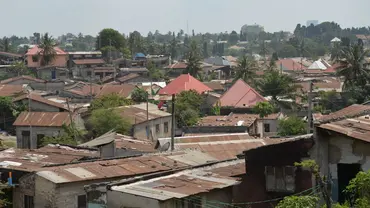
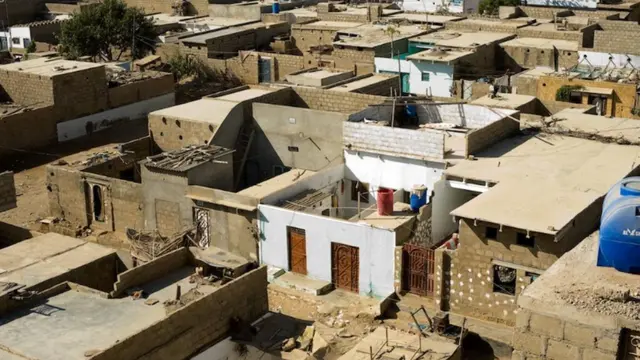
Women in the Kombo and Kwa Pakacha settlements of Dar es Salaam get little respite from heat inside the home (Photo: Center for Community Initiatives)
There is a growing recognition of the dangers of extreme heat on the health and livelihoods of people who live in urban informal settlements. The call by the UN Secretary General for global action on extreme heat echoes IIED’s own work on hot cities, which shows both rising temperatures and an increasing number of extremely hot days (of over 35°C) pose major risks to health.

People living in urban informal settlements face the highest risks due to environmental and housing conditions that expose them to extreme temperatures – but they are also made vulnerable by poverty – which limits their ability to cool their homes by investing in heat-reducing adaptations.
The risk factors and impacts are not evenly shared, with young children, elderly people and those with chronic health issues and disabilities, being the most vulnerable to high temperatures – and least able to change their environments to reduce exposure. Pregnant women face particular challenges, with extreme temperatures heightening threats to the mother’s and child’s health.
But risks to women are primarily due to social factors, in gendered caring and livelihood roles, that expose them to prolonged heat in the home.
Alongside the Center for Community Initiatives in Tanzania, and building on a World Bank-funded study that profiled Dar es Salaam’s informal settlements, we have been looking at the intersection of heat and gender, and how rising temperatures may be widening existing structural inequalities.
Grassroots research undertaken by residents
The local community, through the Tanzania Urban Poor Federation, trained and took part in this participatory research, collecting data through surveys, interviews and focus group discussions.
The research was focused in two settlements – both located in highly congested, flood-prone areas, close to the city centre.
Kwa Pakacha, in Tandale ward under the Kinondoni Municipality, has a population of about 5,869 with dense and unplanned settlement that historically experienced severe flooding, before improvement of the infrastructure by the DMDP (Dar es Salaam Metropolitan Development) project. It has two major water courses that create a boundary for the settlement: the Kiboko to the north and Mzinga to the south, plus a number of smaller tributaries that are used as drainage channels.
Kombo, in Vingunguti ward within Dar es Salaam City Council, has a population of 19,358. Much of the settlement is on low lying land, adjacent to the Msimbazi River basin, which often floods and erodes embankments. It is characterised by congested housing, with densities of up to 40 houses per hectare, with poor roads and drainage, and limited tree cover.
Most residents are self-employed (75% in Kwa Pakacha, 69% in Kombo) on low incomes.
Heat in the home
Women in the Kombo and Kwa Pakacha settlements of Dar es Salaam see heat as a major climate risk, affecting both their own health and the wellbeing of those they care for.
Their homes are ill-suited to extreme temperatures, with 75% of dwellings lacking any tree cover, and the use of building materials such as corrugated metal, creating intolerable conditions both day and night. With over one third of women running enterprises from home, and all women undertaking gendered caring and cooking roles, many are tied to their houses, with little opportunity for respite from the heat.
In Kombo over 70% of women burn charcoal to cook family meals and prepare food to sell. Cooking is often carried out for several hours of the day and, for over one third of people surveyed, in confined and unventilated corridors. This activity increases the temperature in the home and, coupled with smoke pollution, exacerbates existing respiratory and other health conditions among women and children.
Due to poverty and a lack of knowledge of effective adaptation strategies, coping with heat is largely limited to low-cost responses – such as opening windows, wearing lighter clothes, sleeping outside and taking baths – particularly when the use of fans is too expensive.
But these responses have only limited effect in reducing discomfort and exposure to risk, and can actually add to security concerns making women more vulnerable to gender-based and domestic violence. Fans being on all night may trigger coughing for children trying to sleep, due to the dust circulating in the air.
Caring responsibilities creating extra burden
Women face additional challenges in their role as carers. As well as coping with heat impacts on their own health, they may have responsibility for children and elderly relatives. In focus group discussions some women said they often stay awake through the night, fanning their small children to keep them cool.
With childcare largely unaffordable, heat has been estimated to increase direct and indirect care work by 60%, adding to the burdens on women, while also being a cause of anxiety, sleep deprivation and ill-health, as they juggle their responsibilities with their own wellbeing.
Heat also has implications for the economic wellbeing of the 46% of women working as self-employed food vendors. Those selling fruit or using fresh produce when cooking in small local restaurants exposed to high temperatures, can also experience losses of around 30% during hot months because of heat spoiling their produce and ingredients. While some vendors are able to shift to weather-related goods such as cold juices or water to sustain their business, many face sudden reductions in household income.

Better data on gender, leading to action
As temperatures in cities increase, it is vitally important that the risks to women are better represented in data, policy and service design. There is a danger that high temperatures become the norm, which risks minimising the visibility of threats to women and their wellbeing.
Addressing the risks of extreme heat requires a multi-level response, with community and government organisations working together to reduce residents’ exposure to its dangers. Examples include:
- Partnering with health services to raise awareness of the dangers of heat and undiagnosed health conditions, such as in South Africa and Ghana
- Expanding the work in Tanzania and other east African countries to establish early warning systems to alert the public to climate risks
- Introducing flexible finance models at household level to support efficient cooling solutions for residents
- Support for improved access to clean cooking technologies, low electricity unit costs for cooking and provision of subsidies for gas cylinders to replace charcoal stoves (less damaging in terms of air quality inside the home, and an interim measure while working towards more carbon neutral, sustainable solutions)
- Social protection programmes that reduce vulnerability of women to extreme heat to better meet their needs, and
- Engaging women in climate planning and policymaking spaces to give them a platform to voice their concerns, and give them ways to work with local governments to successfully co-create inclusive solutions. This could include the provision of cooling stations, support for tree planting initiatives and, as recently developed in Freetown, Sierra Leone, covered markets.
This work is urgent and long overdue as the climate crisis continues to impact the most vulnerable, and extreme heat threatens the ability of women to provide care – and to care for themselves.