Local economic development through gorilla tourism
Gorilla-tracking tourist activities in Uganda's Bwindi national park generate critical revenue for conservation, but local benefits from tourism are limited and the illegal use of the park's resources continues. This project developed and tested new community-based tourism products and services to improve local skills and job opportunities, and the long-term prospects for the park.

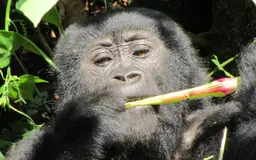
A mountain gorilla in Bwindi national park in Uganda. An estimated 20,000 tourists visit Bwindi annually to see the gorillas (Photo: Francesco Veronesi via Flickr, CC BY-NC-SA 2.0)
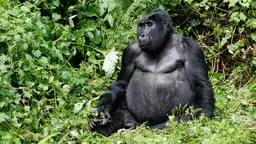
Bwindi Impenetrable Forest National Park in Southwest Uganda is an important area for biodiversity and is home to Uganda's population of mountain gorillas.
Tourism revenue from gorilla-tracking activities at Bwindi is critical for preserving the park and this highly-endangered species, and tourist numbers have increased from 1,300 per annum in 1993 to around 20,000 in 2016.
However our previous research showed that local people have a negative attitude towards the park and towards conservation.
Tourists pay US$600 per person to track gorillas. Communities living around the forest receive $10 per gorilla permit sold, plus 20% of the $40 park entry fees, in recognition of the importance of their support for conservation. But those living very close to the forest suffer significant costs such as crop raiding by wild animals; the revenue from the park is not targeted at those who suffer most.
There are also few conservation or tourism-based jobs open to local people. Wider benefits from park tourism are also limited by low levels of skills development, resulting in low quality handicrafts and poor presentation of community-based enterprises, which deter tourists.
The result is that relationships between local people and the park authorities are poor, and poaching, snaring and other forms of illegal resource use continue.
What did IIED do?
This three-year project aimed to reduce the threats to Bwindi, improve the long-term prospects of the mountain gorilla and harness tourism as an engine for local economic development by working with local people and establishing tour operators to develop and test new 'pro-poor' tourism products and services.
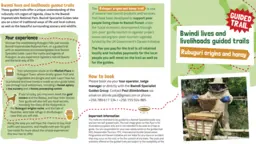
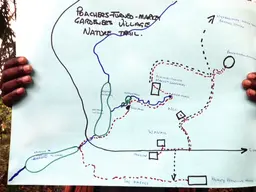
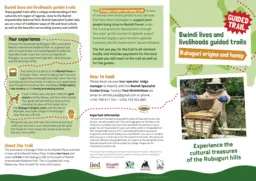
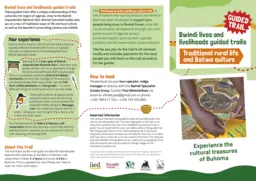
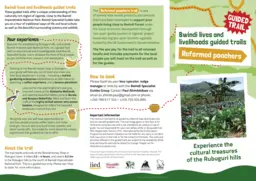
The new initiatives – such as Bwindi lives and livelihoods guided tours, improved ‘forest-friendly’ handicrafts, and building the market for local honey – aimed to add value to the typical two-night gorilla-tracking package, for tourists and for local people.
Building capacity to meet demand
Project activities included:
- Consulting with tour operators and surveying tourists to clarify demand for local tourism products and services
- Surveying households in tourist zones around the park to identify current benefits from tourism and attitudes towards and capacity to engage the project
- Sharing results with tour operators, agreeing the most viable products and services and identifying quality criteria and sources of training
- Working with existing guides, performers, handicraft makers, and so on, to deliver training
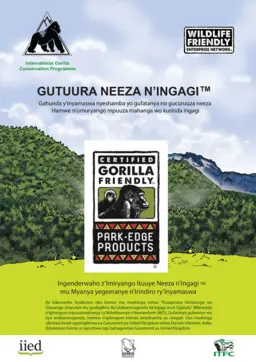
- Adapting emerging 'Gorilla Friendly' enterprise standards and testing them on new products and services
- Working with tour operators to include the new products and services in existing packages, collecting feedback, refining and rolling-out, and
- Sharing lessons learnt more widely in Uganda and internationally.
Updates on the project are available from the Responsible Tourism Partnership.
News and updates
Publications


Additional resources
Pro-poor tourism at Bwindi, a series of postcards profiling local people working in new tourism-based businesses, 2019, IIED on Flickr
Local economic development through gorilla tourism, presentation by Dilys Roe, April 2019
Tourism as an engine for local economic development, presentation by Dilys Roe (IIED), Peter Nizette (Responsible Tourism Partnership), Medard Twinamatsiko (Institute for Tropical Forest Conservation and Mbarara University), Kakuru Phares (Bwindi Mgahinga Conservation Trust), and Alice Mbahayi (International Gorilla Conservation Programme), April 2019
Partners
Coordination, fieldwork, certification process
- The Responsible Tourism Partnership (RTP)
- The Institute for Tropical Forest Conservation (ITFC)
- The International Gorilla Conservation Programme (IGCP)
Tourism and skills specialists