But, for now, I think I am okay: realities for LGBTQI+ refugees in Nairobi
This film screening event spotlighted LGBTQI+ refugee stories and inclusive, rights-based urban responses to displacement

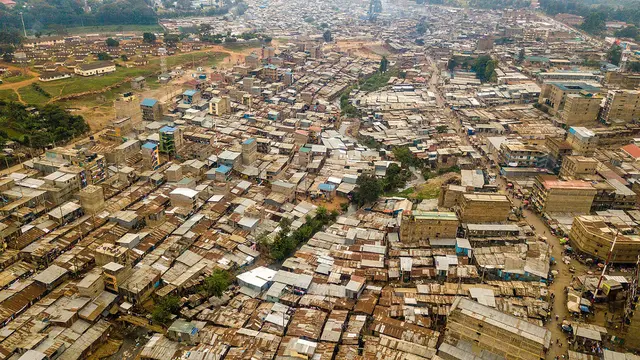
Kibera Slum, Nairobi, Kenya (Photo: Ninara, via Flickr, CC BY 2.0)
In a region where some governments are enforcing increasingly repressive LGBTQI+ laws, Kenya has stood out for its more progressive stance. For many years, Kenya has offered legal pathways for people seeking asylum on the basis of sexual orientation or gender identity.
However, despite these constructive policies, LGBTQI+ asylum seekers in Kenya face harassment, assault and systemic neglect. Many live in Nairobi without formal permission, in a state of legal limbo. They struggle to access housing, essential services and basic protections without proper documentation. They are also less able to rely on social networks for support in comparison to other refugee groups. While the city offers more anonymity and diversity than the camps, the need for increased formal support is urgent.
This event presented a creative and critical exploration of these realities. It opened with a screening of 'But, for now, I think I am okay', an innovative documentary co-created by Nairobi-based youth filmmakers, human rights defenders and a multidisciplinary research team from IIED and SDI-Kenya.
The film follows the lives of five LGBTQI+ refugees navigating the everyday urban landscape in Nairobi, Kenya to uncover the barriers that LGBTQI+ refugees and asylum seekers face as well as moments of joy, solidarity and resistance.
Following the screening, a question-and-answer session with the filmmakers and activists involved in the production of the film reflected on the themes raised and discuss what an inclusive, rights-based urban response to LGBTQI+ displacement could look like.
More about the film
'But, for now, I think I am okay' is the product of a unique collaboration between Nairobi-based filmmakers, a Kenyan and international research team, and human rights activists working with and within LGBTQI+ refugee communities. Using the method of ethnographic walking interviews, the film invites LGBTQI+ refugees and asylum seekers to guide the viewer through their everyday urban landscapes. The result is a deeply grounded, place-based portrait of life on the margins of legality, citizenship and recognition.
The film captures the barriers that LGBTQI+ refugees and asylum seekers face, from a lack of documentation and housing insecurity to police harassment and systemic discrimination in healthcare and education. But it also captures moments of joy, solidarity, and resistance. By foregrounding queer refugees’ own voices and visions, 'But, for now, I think I am okay' shifts the frame from victimhood to agency, and from abstract policy debate to lived urban experience.
This is not only a film about queer displacement – it is a film about how people shape, survive and challenge the cities they inhabit.
The film was made possible through a grant from the UK’s Arts and Humanities Research Council (AHRC) with support from the IKEA Foundation.
Speakers
Abdi Wahid Kadir, Enock Otieno Oyoo and Riziki Ambrose are community filmmakers and co-founders of Koch Films. The name “Koch” is a nod to Korogocho, an informal settlement in Nairobi, Kenya where they grew up. Through film, they aim to share untold stories that challenge mainstream representations of their communities. Their films have been screened at international film festivals and have won awards including Best Documentary at the Eldoret Film Festival (2021) and Award of Merit at the Documentaries Without Borders International Film Festival (2024).
Milka Wahu is a lecturer in law and co-founder of Amka Africa Justice initiative. She has contributed to research and policy advocacy on the rights of sexual minorities, refugees, and asylum seekers in Kenya.
Adrian King Kibe is a human rights advocate and researcher based in Nairobi, Kenya. His work focuses on the intersections of law, gender justice and LGBTQI+ rights, with particular emphasis on advancing protections for transgender and intersex persons in East Africa. Adrian has extensive experience in strategic litigation, community-led advocacy and policy reform. He currently consults with the Kenya Human Rights Commission and the East Africa Trans Health & Advocacy Network (EATHAN).
IIED events newsletter
Sign up to our mailing list for updates and invitations to events throughout the year, including webinars, critical themes and debriefs.
Contact
Juliette Tunstall ([email protected]), IIED internal engagement and external events officer