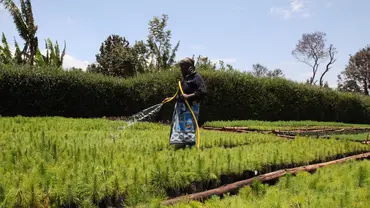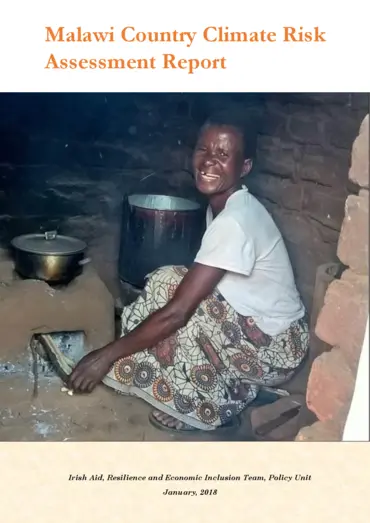
The economy and livelihood of Malawi is largely dependent on its natural resources, either from the land (agriculture), biodiversity (agriculture, forestry, tourism) or water (agriculture, fisheries, energy, health) as well as on its climate (rain fed agriculture) for foreign currency, employment, food security and raw materials for industrial production. This dependence on natural resources, coupled with rapid population growth, makes Malawi particularly vulnerable to the impacts of climate change and variability. Climate change has also exacerbated systemic inequalities between women and men, given that they experience climate impacts differently based on their capacities and vulnerabilities. Climate variability and change are already affecting Malawi, which has experienced greater incidences of dry spells and intense rainfall events over the last two decades. These changes have led to an increase in the frequency of floods, droughts, pest and disease outbreaks, with severe economic and social consequences.
Cite this publication
Available at https://www.iied.org/22076g