Items tagged:
Alliance of Responsible Mining (ARM)
-
Scaling up CRAFT and Fairmined initiatives for responsible gold in Honduras
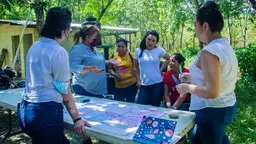
IIED is working with the Alliance for Responsible Mining (ARM) and other organisations to prepare stakeholders in Honduras’ artisanal and small-scale mining sector to implement the European Union regulation on conflict minerals, improve practices within mineral supply chains and improve the livelihoods of artisanal and small-scale miners through responsible gold production
-
Partnerships and collaboration for a more responsible minerals sector
Transitioning to a more sustainable and inclusive economy that will deliver the Sustainable Development Goals requires increased consideration of the social and environmental impacts of supply chains. Mineral supply chains have particularly significant impacts, both on the environment and on the conditions of workers in these supply chains. IIED's work on sustainable mineral markets targets government and private sector policymaking to ensure a focus on inclusion and equality
-
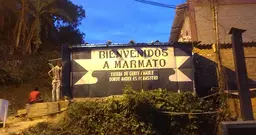
Mining reforms have left Colombia’s artisanal miners behind
Following a recent visit to California, Colombia, Jimena Sierra and Brendan Schwartz discuss the impact of the government’s push to promote large-scale mining on artisanal and small-scale gold miners
-
Informality and formalisation in the artisanal and small-scale mining sector
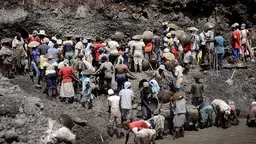
Artisanal and small-scale miners informally produce 15-20 per cent of the world's gold and 80 per cent of its sapphires. Yet the sector faces complex problems. IIED and its partners have published two papers on the risks
-
Linking Worlds: linking ‘small-scale’ producers into large and formal markets
Small-scale producers and low-income consumers often struggle to participate in formal markets. IIED works to identify how organisations and networks can help overcome this by looking at successful innovations in the systems that link small-scale with large-scale markets and enterprises.
-
Fairtrade – the gold standard?
Now that Fairtrade has proved its resilience to recession is it time to make it the gold standard for all ethical produce and move beyond its origins in agriculture? Is the certification scheme that circumvents traditional market and pricing dynamics ready for new challenges in new markets? If so, what will those challenges look like?