Bangladeshi workers beset by extreme heat, study finds
Largely migrant workforce already earning, at best, only two-thirds of ‘living wage’ for their area.

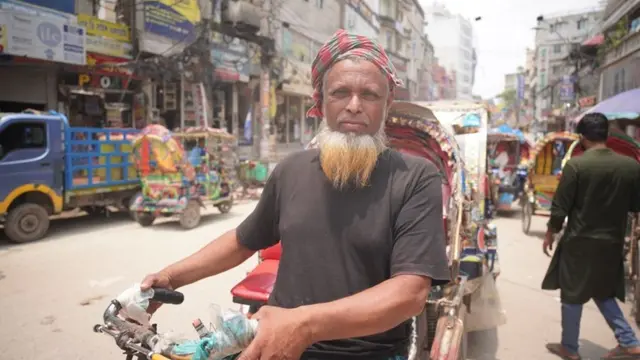
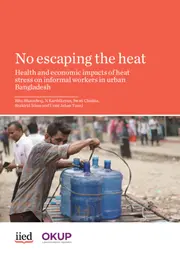
A rickshaw puller in Dhaka pauses by the roadside to drink water before continuing his route (Photo: Md Riaz Uddin/OKUP)
Exposure to extreme heat is costing Bangladeshi workers huge chunks of their pay every year, new research by IIED and Ovibashi Karmi Unnayan Program has found.
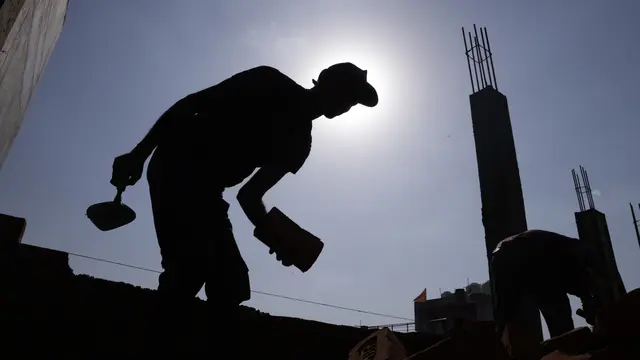
Researchers interviewed 175 households engaged in informal work in Dhaka, the capital, whose jobs included construction, rickshaw pulling and garment manufacturing. Informal employees constitute 85% of Bangladesh’s national workforce.
The effects of extreme heat cause outdoor workers to lose about 8.5% of their annual income, or US$149, while indoor workers lose 4.5%, or $89, the survey suggests. These groups said they’d been forced by heat exposure to miss 24 and 14 days of work a year, respectively, and were already earning well below the ‘living wage’ for Dhaka.
Nearly a quarter (23%) of respondents said they had suffered symptoms of kidney injury due to repeated dehydration, and psychological stress was found to double during the hot season. Workers reported low mood, mistakes at work, anxiety and irritability, as well as difficulty sleeping.
Key findings
- Some 73% of outdoor and 53% of indoor workers were internal migrants from rural areas. This group often struggles to access welfare and health support in Bangladesh, as these schemes tend not to track people around the country. Additionally, heads of household – the decision makers – generally had a low level of education, limiting their work options and ability to navigate administrative systems.
- The vast majority of workers did not own the homes they were living in, which frequently were built of substandard materials and featured tin or asbestos roofs with low ceilings. Workers rated this cramped accommodation, often shared and difficult to cool, as reaching 4.4 on a five-point heat scale during the summer. A number of respondents said they faced water shortages in summer and had to ration their supply.
- Informal work is inherently insecure. Many outdoor workers said they found jobs on a day-to-day basis, though indoor workers generally held contracts lasting a full month. Both felt forced to endure extreme heat conditions either to secure a day’s pay (outdoor) or meet strict production targets (indoor), and both said they felt pressure to avoid slowing down.
- IIED estimates the national wage loss from extreme heat to be $4.1 billion a year, or the equivalent of 0.91% of Bangladesh’s GDP. Chronic kidney disease linked to prolonged heat exposure may add as much as $2.12 billion more.
- The study follows similar research covering three Indian cities which estimated workers there were losing wages equivalent to 2% of the country’s GDP due to extreme heat.
- Researchers recommend building new social protection measures into existing systems. These include a small daily cash transfer paid through the bKash and Nagad mobile platforms, targeted using the national ID system and triggered by weather alerts. This would likely cost less than $100 million even in a record year – much less than the current economic cost of extreme heat.
- Because no government health scheme currently reaches urban informal workers, researchers propose the introduction of seasonal mobile health camps.
- The study also calls for heat protection at work to become a binding legal requirement. Bangladesh’s Labour Act sets no temperature threshold for safe work and does not recognise heatstroke or kidney disease as occupational illnesses worthy of compensation.
Ritu Bharadwaj, IIED’s director of climate resilience, finance and loss and damage, said: “For these workers, heat exposure doesn’t end when their shift ends. They leave a hot worksite for a home with a tin roof, one fan and frequent power cuts, giving no chance to recover.
“Working indoors offers no escape. Garment makers reported heat exhaustion at the same rate as those in the sun. The consequences included wage loss, damaged kidneys and sleep deprivation, and almost none of this is officially recorded.
“Employers in wealthier countries should be taking note as well. As the world heats up, they will have to adapt to protect their own workers, buildings, supply chains and technology.
“Investing in resilience can reduce a business’s risk exposure in the present, and will pay dividends in the long term.”
Notes to editors
- Read a paper showing how risk assessment tools used by the insurance sector could help unlock billions in climate resilience finance
- IIED research has revealed the gendered impact of prolonged high heat in informal settlements
- Last year IIED found that upgrading informal settlements to be climate-resilient could save more CO2 emissions than simply bulldozing them
For more information or to request an interview, contact Jon Sharman:
+44 7407 727 886, or [email protected]