Applying a human rights-based approach to conflicts over wildlife
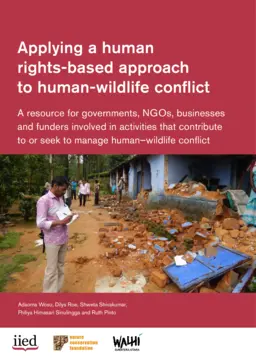
Human-wildlife conflict can often impact the rights of Indigenous Peoples and local communities. This project is developing guidance and an adaptable tool for applying a human rights-based approach to such conflicts.

Pashmina goats graze in the high-altitude pastures of Ladakh, one of the tool testing sites. Pashmina goat rearing is the primary livelihood of the nomadic Changpas, which faces constant threats from predation by snow leopards, wolves and feral dogs as well as extreme climate events (Photo: copyright Udayan Rao Pawar/NCF)
Human-wildlife conflict remains a growing concern for the wellbeing of local communities and the conservation of biodiversity.
Wildlife and their management can pose direct and indirect threats to local communities. Moreover, the presence and behaviour of wildlife is often influenced by conservation and other resource management decisions in a landscape.
For example, the development of wildlife corridors, protected areas or infrastructure projects can affect where wildlife roam and how they interact with people. If close to villages, schools, fields or water sources, this can increase the risk to infrastructure or crop damage or attacks on people or livestock. The fear of being attacked can also affect a child’s access to education or a household’s access to food, income or water.
In conservation, these are often considered to be negative social and economic impacts on local communities. Yet, at times, they can result in the violation of people’s human rights, such as the right to a healthy and sustainable environment, food, housing or life.
Furthermore, decision-making related to wildlife and resource management rarely involves local communities. Not only is this an infringement of communities’ procedural rights, but it can also result in their alienation from conservation action.
Negative interactions with wildlife can therefore sometimes amplify social conflicts between local communities and those with differing conservation or land use priorities. These social conflicts can also result in communities engaging in activities that negatively impact conservation efforts, such as attempts at scaring away, poisoning or killing wildlife.
Recognising that negative social impacts associated with human-wildlife conflict can interfere with the rights of Indigenous Peoples and local communities will better enable communities to demand respect for their rights and encourage state and non-state duty-bearers to uphold their responsibilities.
What is IIED doing?
Together with partners, IIED is exploring what it means to apply a human rights-based approach to human-wildlife conflict.
We are collectively developing international guidance for potential duty-bearers, including governments, conservation organisations and private businesses, to better identify their responsibilities towards Indigenous Peoples and local communities impacted by their land use and conservation decisions.
We are also designing an adaptable local-level multi-stakeholder tool that centres the voices of local communities and aims to improve trust and accountability between key stakeholders at the local level.
This tool is being tested by partners – Nature Conservation Foundation and WALHI North Sumatra – at two conservation areas apiece in India and Indonesia. Lessons from the tool testing will be incorporated into a draft manual for further testing and use.
Overall, the project aims to provide the international conservation community with practical ways to more effectively manage conflicts over wildlife while respecting the rights and duties of different stakeholders.