Drought’s inequalities: towards inclusive climate adaptation in Zambia
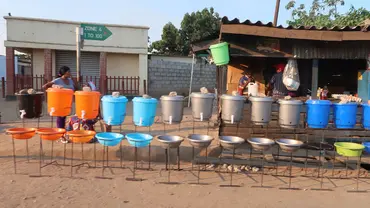
Zambia's 2024 drought, its worst in four decades, devastated rapidly urbanising, migrant-hosting informal settlements like Mazyopa in the capital Lusaka, where structural vulnerabilities in water access, livelihoods and tenure security compounded the crisis.
A mixed-methods study found that 82% of households experienced days without any usable water, while food insecurity, gender-based violence and economic precarity intensified. Despite national adaptation frameworks, informal settlements remain largely absent from formal resilience planning.
The study highlights urgent needs: integrating informal settlements into city planning; investing in climate-resilient water, sanitation and hygiene (WASH) infrastructure; strengthening community governance and tenure security; and embedding gender-responsive approaches across all drought resilience strategies.
Mazyopa's recent designation as an ‘Improvement Area’ offers a promising opening to translate these recommendations into inclusive, community-led action.
Cite this publication
Available at https://www.iied.org/22731iied