Celebrating 20 years of promoting decoloniality: relaunching the biocultural heritage website
The concept of ‘biocultural heritage’, first proposed by the Indigenous NGO ANDES (Peru) and Quechua communities in the Potato Park, has provided a decolonial action-research framework for IIED and partners since 2005. To mark this 20th anniversary, and share the lessons and tools from this work, IIED has worked with ANDES and partners to update the biocultural heritage website.

The front of the updated biocultural heritage website (Image: IIED)
Biocultural heritage is the interlinked traditional knowledge, biodiversity, landscapes, cultural and spiritual values, customary laws and languages of Indigenous Peoples and local communities. The concept reflects the holistic worldviews of many Indigenous and traditional peoples where biodiversity and culture are inextricably linked and cannot be separated.
Biocultural heritage challenges dominant conservation paradigms that separate people and nature, that have caused widespread harm to Indigenous Peoples and local communities that have conserved nature for millennia and continue to play a crucial role in conservation, as evidence shows. It also reaffirms customary rights over biodiversity as the heritage of Indigenous Peoples and local communities.
The biocultural heritage concept has provided an effective tool to address the interlinked crises of nature and culture loss, climate change and inequality in different contexts. The 1992 Convention on Biological Diversity commits governments to ‘respect preserve and maintain knowledge innovations and practices’ of Indigenous Peoples and local communities, but this knowledge is rapidly disappearing, with about 20 Indigenous languages lost each year.
By centring precolonial ways of knowing and being, the biocultural heritage concept challenges persistent colonial narratives that assume that traditional ecological lifestyles are backward and unproductive, and White western science, development and conservation models are superior.
Biocultural heritage includes a wealth of precolonial development and environment paradigms such as Buen Vivir and Ubuntu, that provide vital alternatives to destructive economic models and unjust conservation.
Six key lessons from 20 years of biocultural heritage work
The updated website pulls together key lessons, evidence, methods and tools from 20 years of community-led action-research to protect and revitalise biocultural heritage in Latin America, Asia and Africa.
This work has focused on:
- Exploring how the components of biocultural heritage are interconnected and interdependent as complex adaptive systems, and the role of biocultural heritage in climate resilience and food security
- Supporting the Potato Park communities’ struggle for self-determination and rights, which gave rise to the biocultural heritage territory model of collective self-governance based on precolonial concepts and customary laws, and
- Supporting processes to scale-out and adapt the successful Potato Park model to establish biocultural territories in Peru, Kenya, China and India.
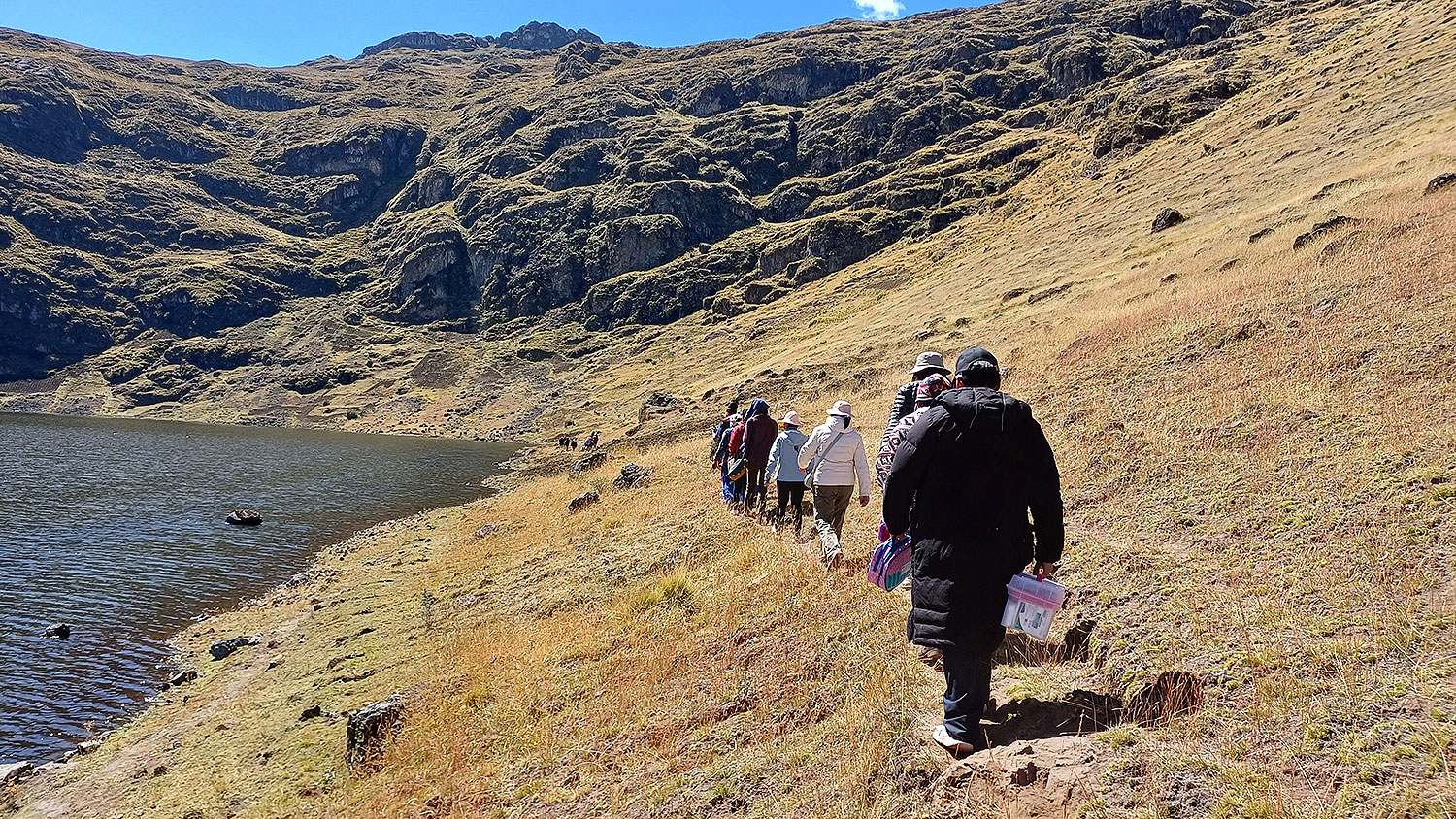
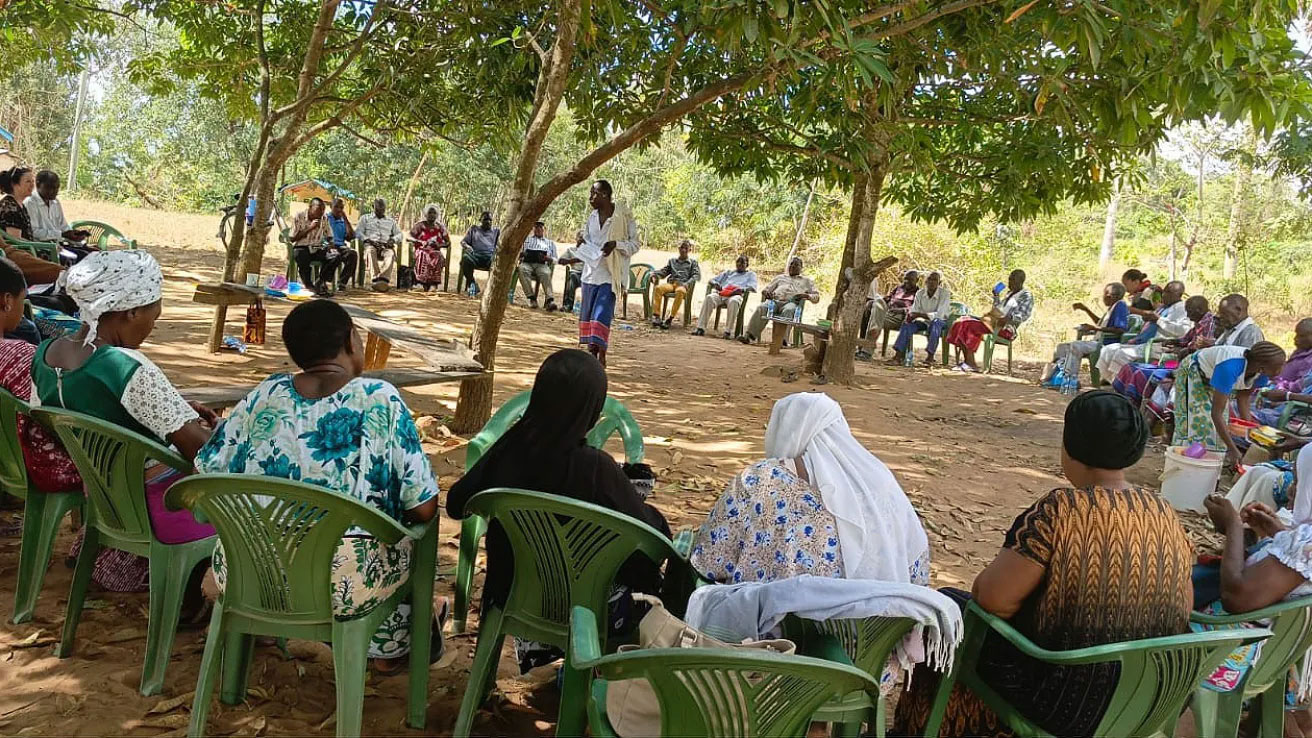
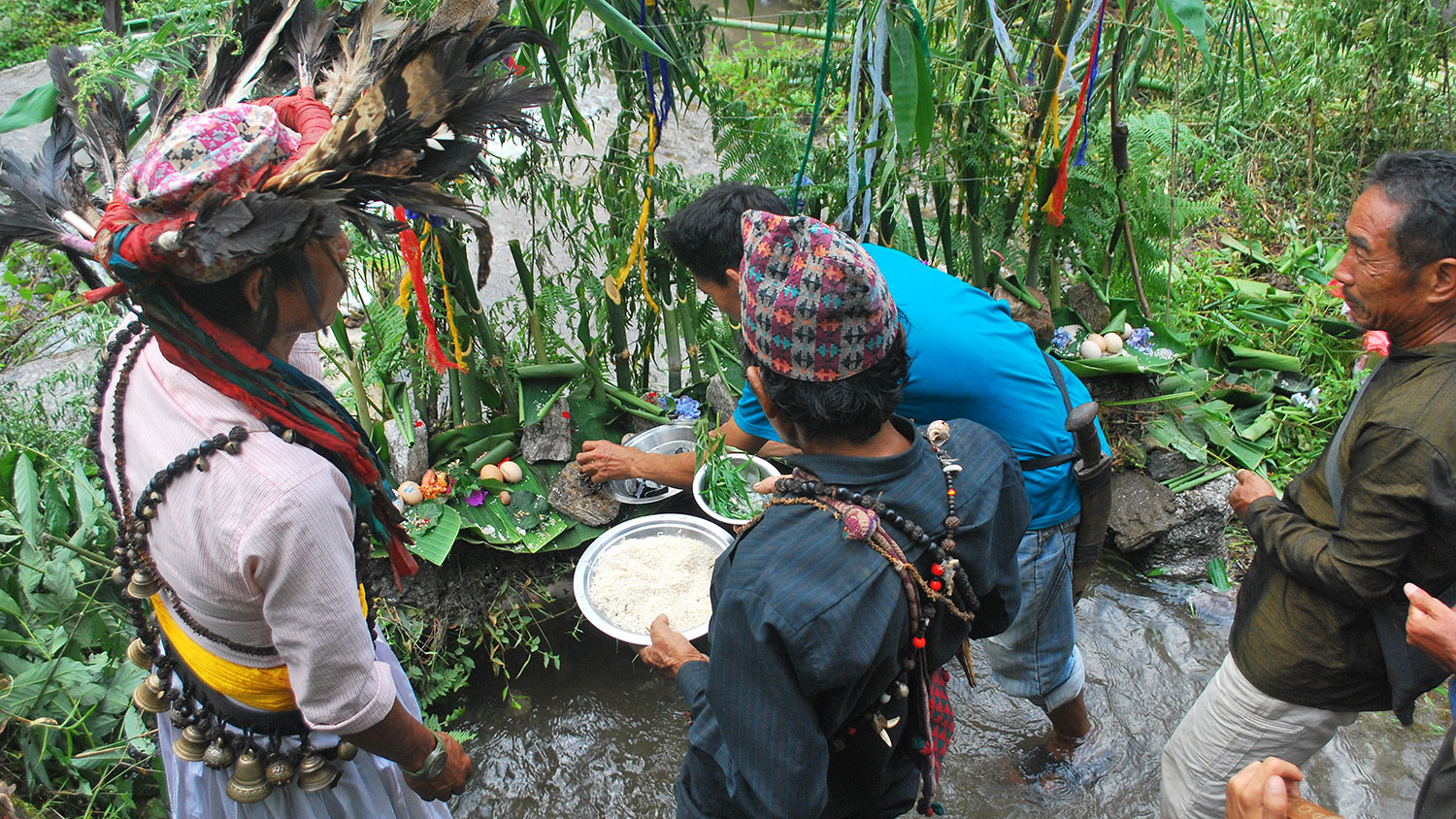
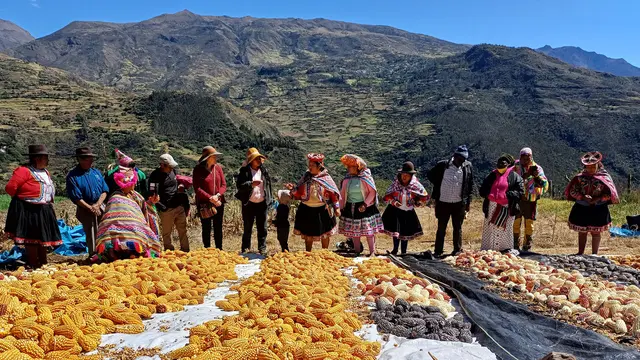
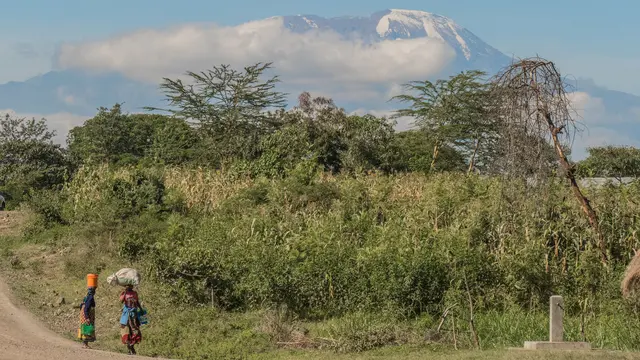
Photo gallery of images from the biocultural heritage website. Click on the images to enlarge them and scroll through
Based on this work, we have identified six key lessons:
- Revitalising biocultural heritage can advance multiple global goals – ecosystem, agrobiodiversity and water conservation, climate adaptation and mitigation, food and nutrition security, sustainable livelihoods, and peace and justice.
- A biocultural heritage-based approach can deliver sustained impact beyond projects by centering local identity, history and traditions: for example, the Potato Park has fostered strong local ownership, community organisation and self-sustainability; in Kenya the Rabai community has sustained a process to revive clan governance.
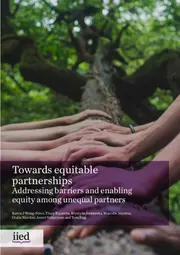
- The biocultural heritage concept has shifted power in partnerships (for example between IIED and indigenous organisations), ensured responsiveness to community needs and cross-sectoral livelihoods, centred the expertise of communities and restored thriving traditional knowledge systems (such as in the Potato Park).
- Biocultural territories can generate multiple impacts for biodiversity and communities, protect rights to land and self-determination, and enable communities to influence policies, as the Potato Park experience shows – a decolonising action-research approach is key to deliver these impacts.
- The Potato Park biocultural territory model and decolonising approach can be scaled out to other contexts but needs to be adapted to local conditions, may need to be complemented with locally-tailored methods and tools, and should be facilitated through truly bottom-up processes. Communities are the real experts in establishing and scaling out biocultural territories, including women, elders and youth.
- Biocultural heritage provides the basis for alternative biocultural economies that include monetary and non-monetary exchanges, are rooted in precolonial holistic wellbeing concepts and values, and enable communities to generate income while sustaining nature and cultural values rather than eroding them.
Methods, tools, resources and more
The updated biocultural heritage website explores the concept of biocultural heritage and its role in achieving multiple global goals. It presents self-governed biocultural heritage territories as a decolonial conservation approach rooted in indigenous cosmovision, spirituality, food systems and agrobiodiversity.
It provides decolonising methods and tools for protecting and revitalising biocultural heritage and establishing biocultural territories. It also presents bottom-up policy and legal tools that reflect community priorities and customary laws, and key international policies that communities can use to enhance recognition of their biocultural rights.
The new site provides hundreds of resources on biocultural heritage – including news, case studies, briefing papers, workshop reports, short films and information about past and current projects. You can sign up to the biocultural heritage newsletter to receive quarterly updates on new content.
It also provides an overview of the Biocultural Heritage Initiative and its members – indigenous organisations, NGOs, research organisations and Indigenous Peoples and local communities.
The website includes outputs of the International Network of Mountain Indigenous Peoples (INMIP), which has held six horizontal learning exchanges and walking workshops to scale out biocultural territories and enhance climate resilience. The sixth global exchange in Cusco, Peru in June 2024 resulted in a declaration, detailed workshop report and a short film.
IIED principal researcher Krystyna Swiderska said: “The Biocultural Heritage Initiative is coordinated by IIED but is guided by the Indigenous NGO Asociacion ANDES (Peru) and the Potato Park communities.
“We – the research organisations and NGOs in the partnership – wish to express our deep gratitude for their thought-leadership, guidance, innovative ideas and mentoring over the past 20 years. We are also cognisant that we still have much to learn and unlearn to fully give up power and support a truly decolonial approach.”