Primary

  • About
  • News and insight
  • Our approach
  • Publications
  • About
  • News and insight
  • Our approach
  • Publications
Sign up for our newsletters
  • Biodiversity
  • Climate change
  • Communication
  • Drylands and pastoralism
  • Economics
  • Energy
  • Fisheries
  • Food and agriculture
  • Forests
  • Gender
  • Governance
  • Land acquisitions and rights
  • Law
  • Monitoring, evaluation and learning
  • Natural resource management
  • Policy and planning
  • Poverty
  • Sustainable markets
  • Urban
  • Water

Secondary

  • Urban
  • Climate change
  • Biodiversity
  • Natural resource management
  • Food and agriculture
  • Sustainable markets
  • Policy and planning
  • Forests
  • Governance
  • Communication
  • Economics
  • Poverty
  • Monitoring, evaluation and learning
  • Land acquisitions and rights
  • Energy
  • Law
  • Gender
  • Drylands and pastoralism
  • Fisheries
  • Water

Search IIED

  • About
  • News and insight
  • Our approach
  • Publications
Sign up for our newsletters
  • Biodiversity
  • Climate change
  • Communication
  • Drylands and pastoralism
  • Economics
  • Energy
  • Fisheries
  • Food and agriculture
  • Forests
  • Gender
  • Governance
  • Land acquisitions and rights
  • Law
  • Monitoring, evaluation and learning
  • Natural resource management
  • Policy and planning
  • Poverty
  • Sustainable markets
  • Urban
  • Water
Drylands and pastoralism

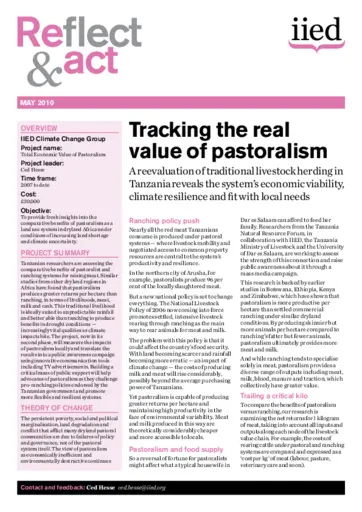
Tracking the real value of pastoralism

Ced Hesse
Reflect & Act
PDF (125.39 KB)
Preview of G02994
Language:
English
Published: December 2009
Series:
Product code:G02994
About IIED's publications

This briefing showcases the results of a re-evaluation of the benefits of pastoralism. Fresh insights reveal the economic viability, climate resilience and fit with local needs of traditional livestock herding in Tanzania.

Cite this publication

Hesse, C. (2009). Tracking the real value of pastoralism. .
Available at https://www.iied.org/g02994
Related project

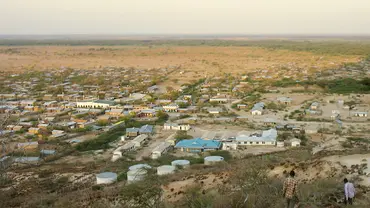
The growing economic centre of Merti town on the Ewaso Ng’iro river, arid lands of Kenya (Photo: Caroline King-Okumu)

Drylands: volatile, vibrant and under-valued?

Since 2006, we have done significant innovative work with partners to dispel the misconception that drylands are unproductive

Project

Preview of 10142IIED

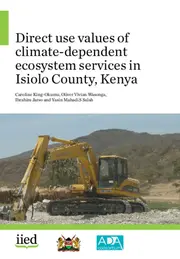
Direct use values of climate-dependent ecosystem services in Isiolo County, Kenya

01 February 2016

Preview of 17345IIED

Distilling the value of water investments

01 February 2016

Preview of 10141IIED

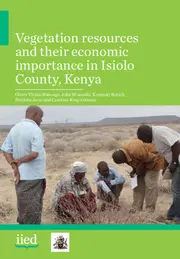
Vegetation resources and their economic importance in Isiolo County, Kenya

01 February 2016

Preview of 17312IIED

Pastoralism pays: new evidence from the Horn of Africa

01 October 2015

Preview of 10137IIED

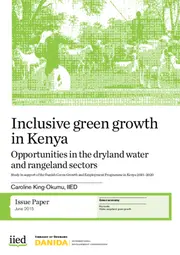
Inclusive green growth in Kenya: Opportunities in the dryland water and rangeland sectors

01 June 2015

Preview of 10112IIED

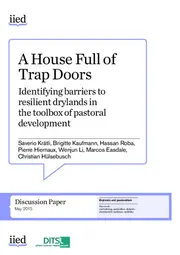
A House Full of Trap Doors: Identifying barriers to resilient drylands in the toolbox of pastoral development

01 May 2015

Footer

  • News and insight
    • Insights
    • News
    • Events
    • In conversation
    • Podcasts
  • Our approach
    • Manifesto
    • Partnerships
    • Process
    • Impact
    • Hidden handbrakes
  • Publications
    • About publications
    • Accessibility
    • Privacy policy
    • Media centre
    • IIED Europe
  • About
    • Contact us
    • Raise a concern
    • Accountability
    • People
    • Jobs and internships
Subscribe to newsletters back to top

© 2026 International Institute for Environment and Development (IIED)

Accessibility Privacy policy Terms and conditions Cookie preferences