How IIED’s SAGE tool is fostering equitable and inclusive governance of protected areas
In the Mangabe protected area in Madagascar, IIED’s SAGE tool is ensuring that local communities are actively involved in decisions around how the natural resources in this biodiversity-rich landscape are managed.

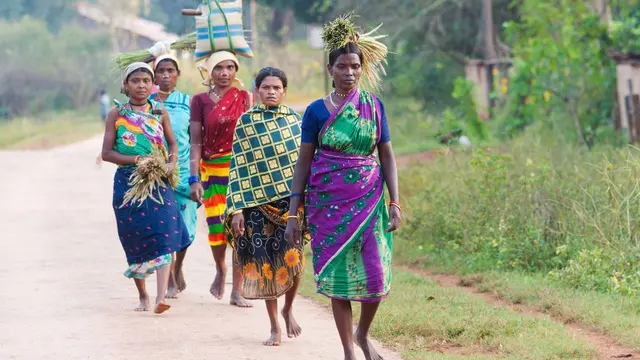
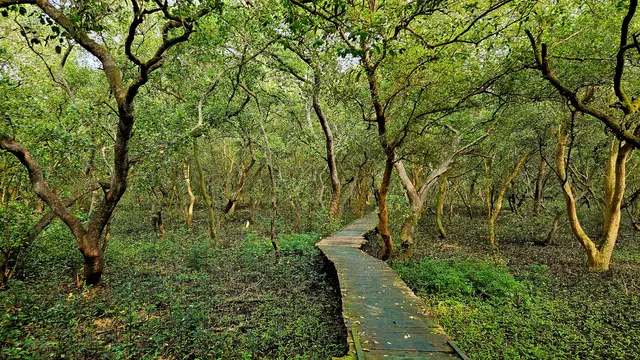
In Madagascar’s biodiversity-rich coastal landscapes, local communities are shaping decisions that protect nature while strengthening their own resilience (Photo: UNEP & Climate Adaptation, via Flickr, CC BY-NC 2.0)
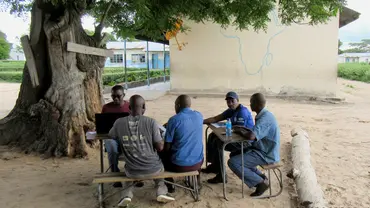
There are different ways to conserve a landscape for the long term. One way might be to shut out all local people and create, in effect, a fortress-style protected zone. A far more effective way is to engage the same local people in assessing how the natural resources in that protected area are managed, what is working well and what might be weaknesses in the system that they and others could address.
In March 2025, Madagasikara Voakajy, a Malagasy biodiversity organisation, conducted such an in-depth assessment of the Mangabe landscape – a protected area in Madagascar rich in biodiversity and home to one of the rarest frogs on Earth, the golden mantella.
Madagasikara Voakajy used methods as set out in the Site Level Assessment of Governance and Equity tool (the SAGE tool) created by IIED, engaging everyone involved in Mangabe’s management and drawing information from field surveys carried out by local communities.
The SAGE tool played a crucial role in brokering an equitable conversation, with stakeholders, local authorities and community representatives discussing the results, and defining priority actions for the next two years. The process makes sure everyone, including local communities, participates in decision making around natural resource governance and benefits fairly from the outcomes.
The SAGE tool has been used to structure similar conversations and processes at around 100 protected areas across 25 countries since 2019.
Using this tool and following an inclusive approach has set the foundations for a fairer and more sustainable way to manage the Mangabe protected area.