The Climate Change Media Partnership (CCMP) has awarded journalists from 15 countries with fellowships to attend crucial UN talks in Durban that could spell the demise or rebirth of the Kyoto Protocol.
We're pleased to announce that Ripples, a film about climate change and disaster management in Bangladesh, by Soren Vestergaard Neilsen, for RDRS Bangladesh was the winner of our Development and Climate film competition.
Climate change negotiators are still meeting this week in Bonn to try and find a way forward on, amongst many other subjects, climate change mitigation, adaptation and finance. Sources of ‘innovative’ finance, such as taxes on international transport, have been proposed. Might these provide a way to break the deadlock on finance and prove to be sources of significant and stable financing to address the impacts of climate change?
The Climate Change Media Partnership (CCMP) is proud to announce the launch of a Fellowship program that will send journalists to the United Nations Climate Change Conference in Durban (COP17) in late 2011.
These were Ban Ki-moon’s words at the opening of the annual meeting of the UN Permanent Forum on Indigenous Issues (UNPFII) in New York, 16th May 2011. He gave the example of indigenous peoples in Peru who are responding to climate change by reintroducing native potato varieties and so are “helping to conserve the earth’s biodiversity”. “Indigenous peoples have been living a ‘green economy’ for centuries,” he added — economists should look to old practices in indigenous communities for new ways to achieve sustainable development.
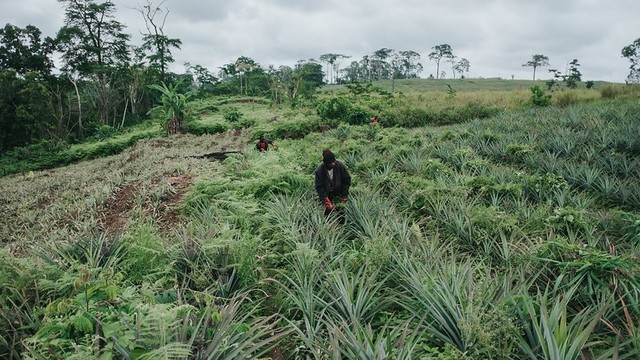
Climate change is set to significantly impact people and the environment. Rising temperatures will change crop growing seasons and impact food security. Changing rainfall patterns will cause water shortages or flooding in some areas. And rising sea levels means a greater risk of storm surges, flooding and wave damage for coastal regions across the world.
An international lawsuit on greenhouse gas emissions could help create the political pressure and third-party guidance needed to revive global climate negotiations.
Striking a deal at this month’s UN climate talks in Cancun, Mexico will largely depend on negotiators’ ability to settle stormy disputes, particularly between the developed and developing world, over six key issues.
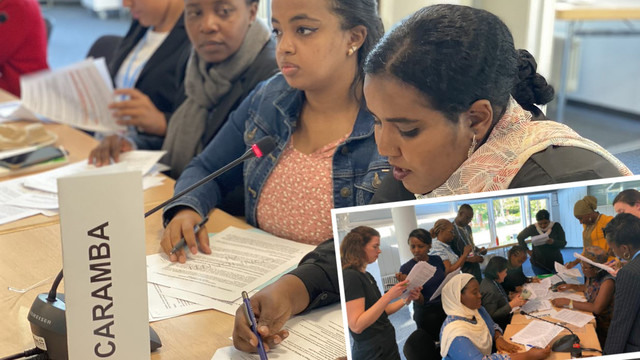
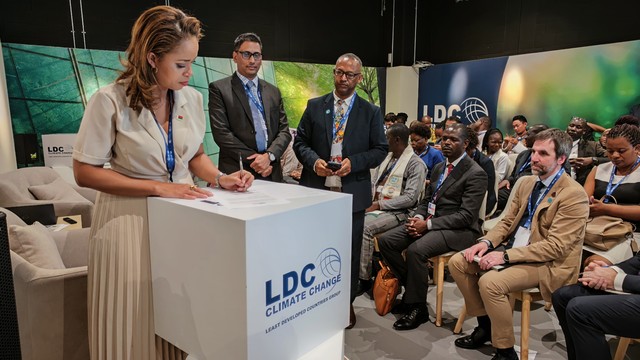
Climate change negotiations and capacity building work at 16th edition of Conference of the Parties of the United Nations Framework Convention on Climate Change (COP16).
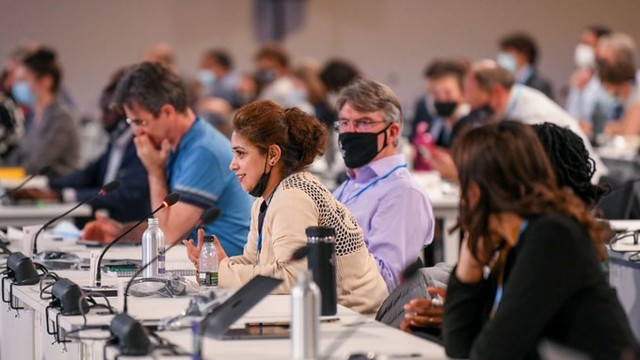
Last month (4–9 October), more than 2300 government delegates, observers and intergovernmental organisations met in Tianjin, China in a search for common ground to achieve strong action on climate change.