Many Latin American countries are showing how the pursuit of low-carbon strategies can create ‘win-win’ scenarios for economic growth and forest protection.
Land is cheap and is perceived to be abundant in Africa. A scramble for its land, following the food and fuel crisis three years ago, is on. European and North American companies have been acquiring land to grow export and biofuel crops and to supply their need for pulp and paper. Now they’re being joined by newly emerging economies – in particular Brazil, India and China – which are also increasingly acquiring large tracts of land and searching for other natural resources, in particular water and minerals.
Commercial forest rights that create incentives for Malawians to plant trees on farm for food and fuel are essential for REDD+ and climate change adaptation.
A series of short films that ask – who gets to decide about forests? With deforestation causing such havoc for biodiversity, the climate and the livelihoods of millions of forest-dependent people around the world, it is an important question.
Trees in local hands details how the FGLG team in Ghana are working on practical ways of securing local decision-making to address the issue of chainsaw lumbering.
Forests fight back tells the epic tale of the fierce and ultimately successful battle to save the Mabira forest reserve in Uganda from being sold off to private agribusiness.
Local people need legal rights to forests shows how benefits have started to accrue to communities in Vietnam when they were given commercial rights to use forests – and how this provides an incentive for sustainable forest management.
Burning issues: The problem of charcoal details how the FGLG team in Malawi put the charcoal issue on the map as the country’s’ third largest industry and brought government together with charcoal producers in search of more sustainable
A meeting of the Forest Connect alliance reaffirms that it is local forest people that are best placed to reduce deforestation all over the world — provided they are given the right incentives. That means clear commercial rights to the forest and support to develop profitable and sustainable forest businesses.
The United Nations has declared 2011 the International Year of Forests to raise awareness on sustainable management, conservation and sustainable development of all types of forests.
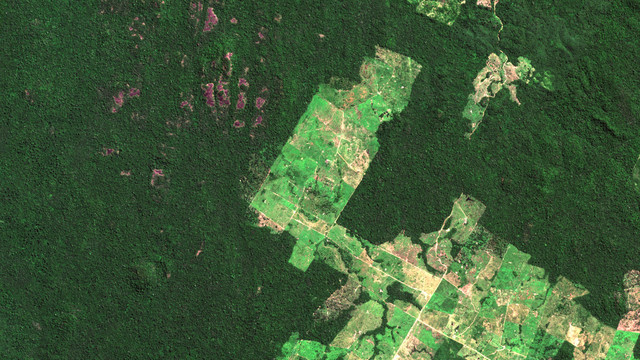
More than seven million hectares of forest are lost each year — deforestation that contributes 17 per cent of the greenhouse gas emissions associated with climate change and directly affects the livelihoods of more than 1.4 billion forest-dependent people. The loss is being driven by rising global demand for food, energy, fibre and water.