Article Climate action for equitable cities: working with informal communities to develop low carbon, resilient futures 15 April 2024
Event Housing justice: securing affordable inner-city homes through retrofitting Event on 22 March 2024
Insight Lobbying for land then and now: reflections on what changed in Karachi Arif Hasan 13 March 2024
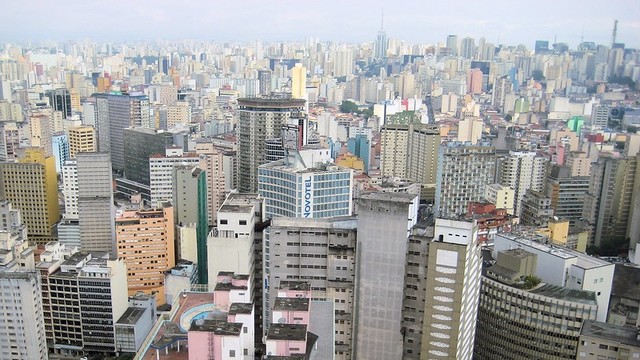
Insight The fastest-growing cities in Latin America and the Caribbean David Satterthwaite 28 February 2024
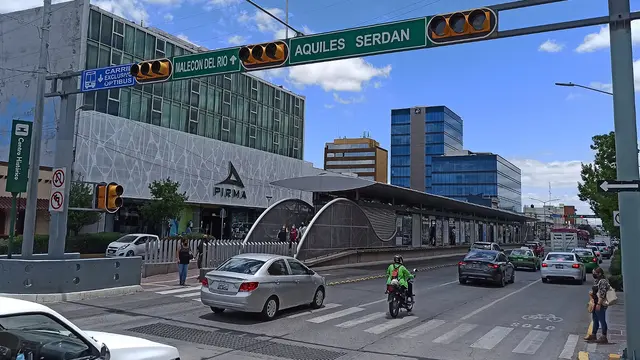
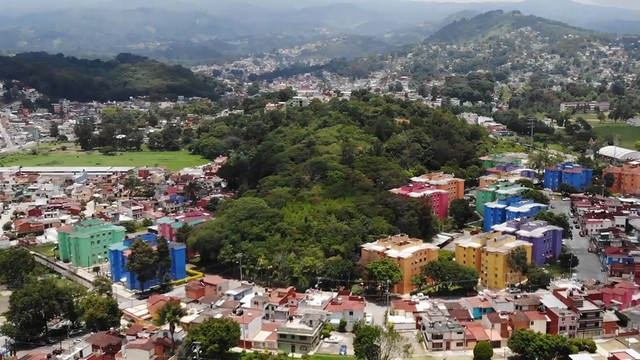
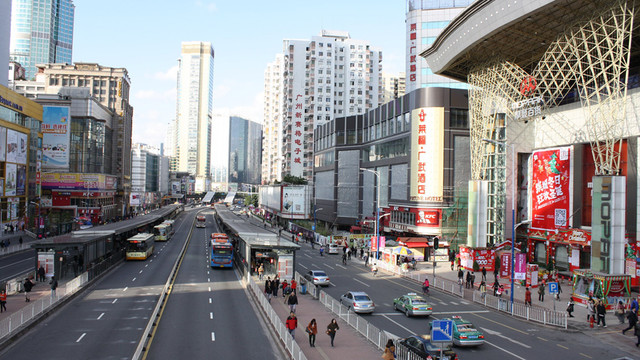
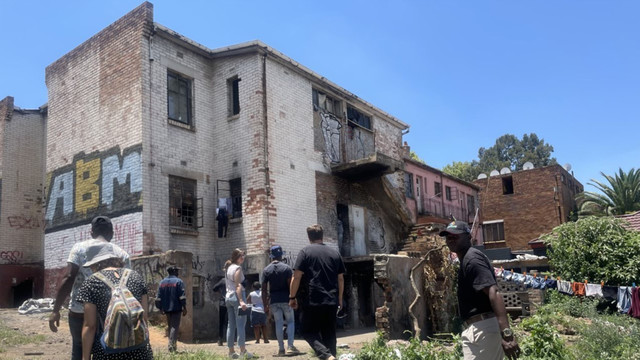
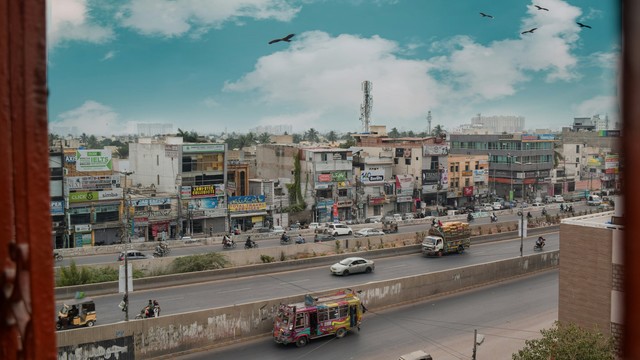
Climate action for equitable cities: working with informal communities to develop low carbon, resilient futures Article, 15 April 2024
Inclusive urban solutions: city actors engaging with displaced communities Publication, 15 April 2024
Recife: The bike as a tool for the right to the city in low-income communities Article, 14 February 2024
Teresina: promoting social wellbeing, healthy diets and climate resilience in the Dirceu Community Garden Article, 14 February 2024