Adapting Cities to Climate Change

About this topic

Background 

This page brings together material on adapting cities to climate change in low and middle-income nations.

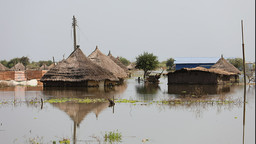
To date, discussions of how to address climate change have focused far more on mitigation (reducing greenhouse gas emissions) than adaptation (coping with the storms, floods, sea-level rise and other impacts that climate change will bring).

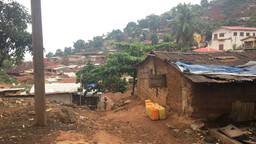
The limited discussions on adaptation have also given little attention to cities. But many cities in Africa, Asia and Latin America and the Caribbean are at high risk from climate change.

Aims 

There is a profound unfairness globally in the imbalance between the people who cause climate change and those most at risk from its effects. Cities with very low average greenhouse gas emissions per person still need to add climate change adaptation to their public works programmes and land-use plans. Most face very large backlogs in the provision of drains and other infrastructure needed to protect the city.

In many cities, there is the added problem of local governments refusing to work with the population living in informal settlements - often the groups most at risk. While mitigation may be a national agenda driven by international agreement, adaptation is intensely local. It requires competent local governments with a commitment to working with all those living in informal settlements. This is not present in most urban centres and is not easily achieved, and current international funding mechanisms show little capacity to address this.

Why action is needed now:

Even though some of the climate change-related risks may not become serious for some decades, there is still a need to act now. Most buildings and infrastructure (roads, piped water systems, drains......) have a long life, so what is built now needs to be able to cope with present risks and likely future risks.

Climate change risk reduction needs to be built into many other aspects of urban development - for instance, avoiding development on flood plains, protecting coasts and, where possible, their natural defences, and ensuring that built-up areas can cope with heavy rainfall.